
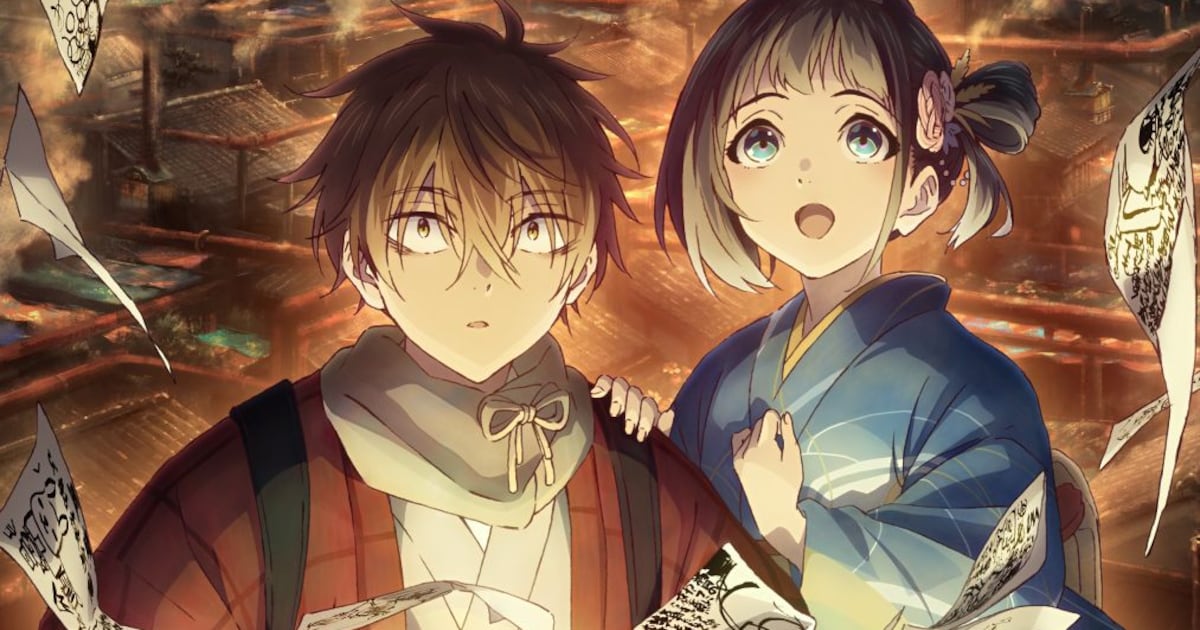
Kyoto Animation’s New Anime “Electrical Catalog” Premieres on Netflix in 2026
Hey there, anime fans and Japanese learners! If you’ve ever been captivated by the emotional depth of Kyoto Animation’s works like Violet Evergarden or A Silent Voice, you’re in for a treat. A wave of excitement hit the global anime community on January 27, 2026, as Kyoto Animation—affectionately known as 京アニ (KyoAni)—unveiled their latest masterpiece during Netflix’s “Next on Netflix 2026” lineup announcement. Their new TV anime, 二十世紀電氣目録-ユーレカ・エヴリカ- (Nijusseiki Denki Mokuroku - Yureka Evurika, "20th Century Electrical Catalog - Eureka Eurica"), is set to stream exclusively on Netflix starting July 2026. Let’s dive into what makes this release so special and how you can use it to supercharge your Japanese learning, straight from the way it’s taught in Japan.
A New Frontier for Kyoto Animation
Kyoto Animation has long been a powerhouse in the anime world, and their newest project promises to push creative boundaries yet again. Set in an alternate early 20th-century Kyoto where steam technology reigns supreme over electricity, 二十世紀電氣目録 (Nijusseiki Denki Mokuroku) weaves a tale of a grieving boy who lost his brother and a devout girl haunted by regrets about her late mother. Their journey unfolds as they uncover the mysteries of the “Electrical Catalog,” blending historical imagination with Kyoto Animation’s signature emotional storytelling.
Director Minoru Ota shared his 意気込み (ikigomi, enthusiasm) for the project, emphasizing its unique visual style. He explained that the 美術背景 (bijutsu haikei, background art) plays a starring role, creating a harmonious balance with the characters in a way that’s rarely seen in anime. Ota believes this approach marks a 新境地 (shinkyouchi, new frontier) for the studio. With production now in its 佳境 (kakyou, critical moment), the team—including voice actors Yuma Uchida and Amamiya Ten—is pouring their hearts into this world. And with 配信 (haishin, streaming) set for July 2026 on Netflix, fans worldwide can’t wait to see the result.
Imagining an Alternate Kyoto as the Stage
What truly sets this anime apart is its 舞台 (butai, stage or setting)—an alternate version of Kyoto in the early 1900s, driven by steam engines instead of electricity. This isn’t just a random backdrop; it’s a character in itself, reflecting Japan’s historical crossroads through a fantastical lens. The story draws inspiration from the Meiji era (明治時代 - Meiji Jidai), a time of rapid modernization, but twists it into a steam-powered “what if” scenario. Director Ota noted that this unique world-building aims to deliver an unseen expression to anime fans globally, making the setting as captivating as the plot.
Cultural Context: Kyoto’s Heart in Anime and History
If you’re learning Japanese, understanding the cultural weight of Kyoto is key to appreciating this anime. As Japan’s former imperial capital, Kyoto symbolizes the bridge between ancient traditions and modern progress, especially during the Meiji era. Kyoto Animation’s choice to base their studio here isn’t coincidental—it reflects a deep connection to local heritage, often weaving the city’s serene landscapes and historical depth into their stories. In 二十世紀電氣目録 (Nijusseiki Denki Mokuroku), Kyoto becomes a canvas for alternate history, inviting you to explore how tradition and innovation collide in Japanese culture.
This “IF” scenario—imagining a different historical path—is a beloved trope in Japanese storytelling. It often serves as a way to reflect on national identity and technological progress. The anime’s focus on steam over electricity might remind you of Japan’s real-life knack for blending old and new, visible in everything from ancient festivals to cutting-edge tech. As you watch, you’ll see how these themes resonate in the language and expressions used, giving you a deeper glimpse into the Japanese mindset.
Learn Japanese from This Article
Ready to pick up some authentic Japanese from this exciting news? Here at “Japanese from Japan,” we’re all about learning the way native speakers do, straight from real contexts like anime announcements. Let’s break down some key vocabulary and grammar patterns inspired by this reveal, so you can sound natural and impress your friends (or fellow otaku!).
Key Vocabulary
| Japanese | Romaji | Meaning |
|---|---|---|
| 配信 | haishin | streaming, distribution |
| 美術背景 | bijutsu haikei | background art |
| 佳境 | kakyou | climax, critical moment |
| 意気込み | ikigomi | enthusiasm, determination |
| 舞台 | butai | stage, setting |
| 新境地 | shinkyouchi | new frontier, new territory |
These words aren’t just anime jargon—they’re used in everyday Japanese conversations, from discussing movies to describing personal projects. Try using 意気込み (ikigomi) the next time you talk about your passion for learning Japanese!
Grammar Spotlight: 〜ている (Ongoing Action or State)
One pattern you’ll hear constantly in Japanese media announcements is 〜ている, which describes an ongoing action or state. It’s like adding “-ing” in English or indicating something that’s currently true.
- Structure: Verb (stem form) + ている
- Examples:
- 制作が佳境に入っている。(Seisaku ga kakyou ni haitteiru.
- Production is entering its critical moment.)
- チームは一生懸命に準備している。(Chiimu wa isshoukenmei ni junbi shiteiru.
- The team is preparing with all their might.)
- 私はアニメを見ている。(Watashi wa anime o miteiru.
- I am watching anime.)
- 制作が佳境に入っている。(Seisaku ga kakyou ni haitteiru.
Use 〜ている when talking about something happening right now or a current state. It’s super common in interviews or news, like when Director Ota might describe what the team is working on.
Grammar Spotlight: 〜と思う (To Think, To Believe)
Another useful expression is 〜と思う (to omou), used to share opinions or beliefs. It’s a great way to sound polite and thoughtful, especially when discussing something subjective like anime.
- Structure: Verb (plain form) / Adjective + と思う
- Examples:
- このアニメは面白いと思う。(Kono anime wa omoshiroi to omou.
- I think this anime is interesting.)
- 新境地を開くと思う。(Shinkyouchi o hiraku to omou.
- I believe it will open a new frontier.)
- 配信が楽しみだと思う。(Haishin ga tanoshimi da to omou.
- I think the streaming release will be exciting.)
- このアニメは面白いと思う。(Kono anime wa omoshiroi to omou.
This pattern softens your statement, making it less direct—a key aspect of Japanese communication. Try it out when sharing your thoughts on 京アニ (KyoAni) works!
Continue Learning
Want to dive deeper into the Japanese language and culture behind anime like this? Check out these lessons from “Japanese from Japan” to build your skills:
- Curious about the Japanese used here? Our Wa vs. Ga: Emphasizing Importance in Sentences lesson covers this in depth.
- To understand more about に, explore our Ni, De, and E: Mapping Directions and Locations lesson.
- Working on your reading skills? Our Katakana Essentials: Adapting Global Words to Japanese lesson is a great next step.
Learning Japanese the way it’s taught in Japan opens up a whole new world—whether you’re decoding anime titles or chatting with native speakers. Keep at it, and soon you’ll be enjoying 二十世紀電氣目録 (Nijusseiki Denki Mokuroku) with a deeper understanding.
これからもよろしくお願いします。 Kore kara mo yoroshiku onegaishimasu.