
"Kyōjō Requiem" Movie Buzz: Dive into Japanese Drama and Language
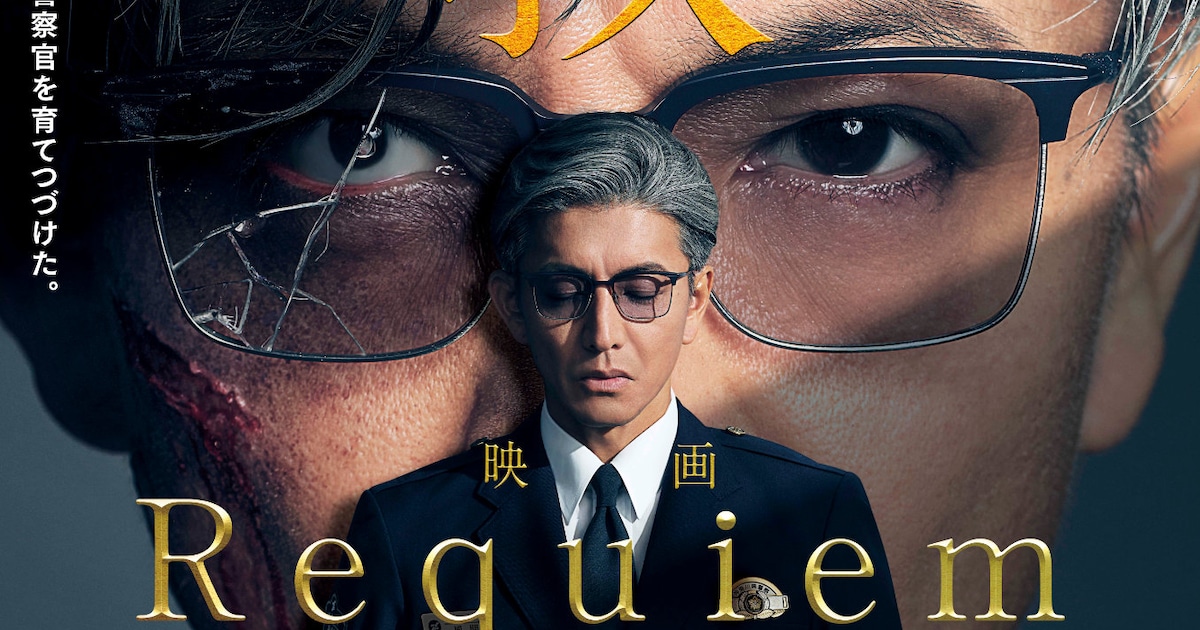
If you’ve ever been captivated by Japanese dramas or movies, there’s an exciting release on the horizon that you won’t want to miss. On February 20, 2026, 教場 Requiem (Kyōjō Requiem), the gripping conclusion to the 教場 (Kyōjō) saga, hits theaters across Japan. Starring the legendary Takuya Kimura, this film promises intense storytelling, a stellar cast, and a haunting theme song that’s already creating waves. For language learners like you, this is more than just entertainment—it’s a golden opportunity to immerse yourself in authentic Japanese language and culture, the way it’s experienced in Japan. Let’s explore the buzz around this movie and uncover some linguistic gems along the way!
The Latest on "Kyōjō Requiem"
The trailer for 教場 Requiem (Kyōjō Requiem) recently dropped on YouTube, giving fans a thrilling glimpse of what’s to come. Takuya Kimura reprises his iconic role as Kimiaki Kazama, the ruthless instructor at a police academy, often called the "demon teacher." This time, he’s joined by an impressive lineup, including Mirai Moriyama as the menacing Hazuru Tōzaki, Shuri as Tōzaki’s visually impaired sister Sara Sumita, and Yōsuke Sugino as Taiji Higa, a graduate supporting Kazama. The story picks up where 教場 Reunion (Kyōjō Reunion), now streaming on Netflix, left off, following the 205th class of students through brutal training and personal struggles. In Requiem, the stakes skyrocket as graduates uncover a chilling plot by a 誘拐犯 (yuukaihan, kidnapper) targeting the graduation ceremony.
Adding emotional depth to the film is the 主題歌 (shudaika, theme song) titled 今日という日を (Kyō to iu Hi o, "The Day Called Today") by singer-songwriter Uru. Having contributed to previous Kyōjō projects, Uru shared that she poured the subtle warmth and hidden care of Kazama’s character into the song, hoping it comforts listeners in tough times. The digital single releases on February 9, just before the movie’s nationwide debut. If you’ve ever wanted to feel the pulse of Japanese storytelling, watching the 予告編 (yokokuhen, trailer) and listening to this track is a perfect start.
A Star-Studded Cast and Intense Drama
At the heart of the 教場 (Kyōjō, classroom or training ground) series, based on Hiroki Nagaoka’s novels, is Takuya Kimura’s 主演 (shuen, leading role) performance as Kazama. Known for his 冷酷 (reikoku, cold-hearted) demeanor, Kazama pushes his students to their limits, embodying a strict mentor archetype common in Japanese narratives. The story isn’t just about training—it’s a 対峙 (taiji, confrontation) between personal demons and societal expectations, especially as 卒業生 (sotsugyousei, graduates) face life-or-death challenges in Requiem.
The cast is a treasure trove of talent, featuring established stars like Mai Shiraishi and Shōta Sometani alongside rising names like Keito Tsuna and Kyoko Saito. For learners, recognizing these actors’ names and roles can be a fun way to connect with Japanese pop culture. Plus, the intense drama of Kyōjō offers a window into the language of emotion and conflict, packed with expressions you’ll hear in real-life conversations.
Cultural Context: Discipline and Emotion in Japanese Storytelling
If you’re new to Japanese media, 教場 (Kyōjō) reveals core societal values like discipline, hierarchy, and perseverance. The police academy setting reflects the high expectations and rigorous training often seen in Japanese schools and workplaces. Kazama’s harsh methods might seem extreme to Western audiences, but they resonate with the cultural concept of 我慢 (gaman, endurance), a virtue emphasizing self-control and resilience. His character isn’t just a villain—he’s a mentor forging strength through struggle, a common trope in Japanese stories.
Another layer of cultural depth comes from the 主題歌 (shudaika, theme song) by Uru. In Japanese dramas and films, theme songs often carry the emotional weight of the narrative. Uru’s reflective style is a hallmark of J-Pop (jei-poppu), blending poignant lyrics with melodies that linger. For learners, diving into these songs can unlock deeper meanings in the language and connect you to the emotions of the story, much like native speakers experience them.
Learn Japanese from This Article
Ready to pick up some authentic Japanese from the Kyōjō buzz? Let’s break down key vocabulary and grammar patterns inspired by the movie’s themes and storyline. These are terms and structures you’d encounter in real Japanese media discussions, taught the way native speakers learn them—through context and repetition.
Key Vocabulary
| Japanese | Romaji | Meaning |
|---|---|---|
| 主演 | shuen | leading role, starring role |
| 予告編 | yokokuhen | trailer, preview (for a movie) |
| 主題歌 | shudaika | theme song |
| 冷酷 | reikoku | cold-hearted, ruthless |
| 対峙 | taiji | confrontation, facing off |
| 卒業生 | sotsugyousei | graduate, alumnus |
| 誘拐犯 | yuukaihan | kidnapper |
These words pop up frequently in entertainment news and drama discussions. For instance, when talking about Takuya Kimura’s role, you might say he’s the 主演 (shuen, leading role), or describe Kazama as 冷酷 (reikoku, ruthless) in reviews.
Grammar Spotlight: 〜であることがわかる and 〜続ける
Let’s spotlight two useful grammar patterns that tie into the Kyōjō narrative and can boost your conversational skills.
〜であることがわかる (de aru koto ga wakaru, it is revealed that, it becomes clear that) This structure is used to express something that becomes evident or is discovered, often in storytelling or news.
- 犯人が卒業式を狙っているであることがわかる。 (Hannin ga sotsugyoushiki o neratte iru de aru koto ga wakaru.) "It becomes clear that the culprit is targeting the graduation ceremony."
- 彼の冷酷な態度の下に優しさがあるであることがわかる。 (Kare no reikoku na taido no shita ni yasashisa ga aru de aru koto ga wakaru.) "It is revealed that there is kindness beneath his cold attitude." Use this when summarizing plot twists or insights, like in Kyōjō, where hidden truths often surface.
〜続ける (tsudzukeru, to continue doing something) This verb attaches to the stem form of another verb to show a continuous action, reflecting persistence or ongoing effort—a theme central to Kazama’s training.
- 彼は厳しい訓練を続ける。 (Kare wa kibishii kunren o tsudzukeru.) "He continues the harsh training."
- 学生たちは挑戦を続ける。 (Gakusei-tachi wa chousen o tsudzukeru.) "The students continue to challenge themselves."
- 物語は感動を続ける。 (Monogatari wa kandou o tsudzukeru.) "The story continues to move people." This is perfect for describing ongoing actions, whether it’s a character’s struggle or your own language learning journey!
Useful Expression
Here’s a bonus phrase you might hear in discussions about dramas like Kyōjō: 見逃せない (minogasenai, can’t miss, unmissable)
- この映画は見逃せない! (Kono eiga wa minogasenai!) "This movie is unmissable!" Use this to express excitement about something you don’t want others to overlook, just like the release of Kyōjō Requiem.
Continue Learning
Want to build on what you’ve learned here? Check out these lessons to deepen your Japanese skills, tailored to how native speakers learn:
- Ni, De, and E: Mapping Directions and Locations: Ready to dive deeper? Our lesson on Ni, De, and E: Mapping Directions and Locations will help you master these concepts.
- Wa vs. Ga: Emphasizing Importance in Sentences: Want to learn more about は? Check out our lesson on Wa vs. Ga: Emphasizing Importance in Sentences.
- Katakana Essentials: Adapting Global Words to Japanese: Working on your reading skills? Our Katakana Essentials: Adapting Global Words to Japanese lesson is a great next step.
Closing
I hope this dive into 教場 Requiem (Kyōjō Requiem) has sparked your interest in both Japanese entertainment and language learning. Keep exploring authentic content like this—it’s the best way to learn Japanese as it’s truly spoken and felt in Japan. これからもよろしくお願いします。 Kore kara mo yoroshiku onegaishimasu.