
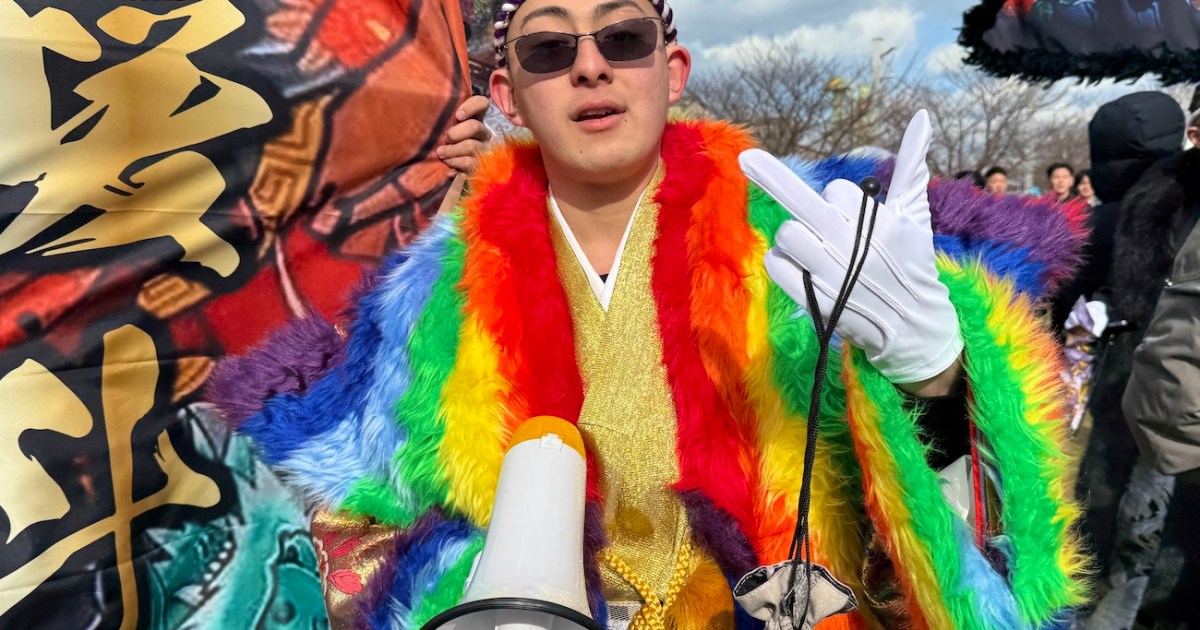
Kitakyushu's Wild 2026 Coming-of-Age Ceremony: A Cultural Explosion
Imagine stepping off a train into a scene that feels like a manga come to life—vibrant outfits, gravity-defying hairstyles, and an energy so raw it’s almost palpable. If you’ve ever dreamed of witnessing Japanese youth culture at its boldest, the 成人式 (seijin-shiki), or coming-of-age ceremony, in Kitakyushu on January 11, 2026, is the ultimate spectacle. Held at JR Kokura Station, often dubbed the “gateway to Kyushu,” this event transforms a traditional rite of passage into a chaotic, awe-inspiring festival. Let’s dive into the heart of this unforgettable celebration, explore what it reveals about Japanese identity, and pick up some authentic language along the way.
The Wildest Seijin-shiki in Japan
Every year, Kitakyushu City in Fukuoka Prefecture hosts a 成人式 (seijin-shiki) that’s anything but ordinary. Young adults turning 20 gather at the Kitakyushu Messe near Kokura Station, dressed in outfits so 派手 (hade, flashy) they could stop traffic. We’re talking custom suits, vibrant hakama, and hairstyles that look like they belong in a sci-fi movie. The scene has been described as a “light version of hell,” but beneath the chaos, there’s a powerful sense of 覚悟 (kakugo, resolve). These aren’t just kids showing off—they’re marking their transition to adulthood with unapologetic individuality.
This year, the event at the 会場 (kaijou, venue) started with security checks, though many of the most flamboyant attendees—nicknamed “S-class demons”—skipped the gates to make noise in a nearby park. Despite fears of snow, a beautiful 晴れ間 (harema, clearing in the sky) emerged, almost as if the sheer willpower of these new adults commanded the weather. It’s a moment that reminds you: in Japan, even nature seems to respect determination.
A Shift Toward Peaceful Chaos
Compared to past years, the 2026 ceremony felt a bit calmer. Gone were the drunken brawls or dramatic horseback entrances. Instead, the atmosphere resembled a festival of gratitude, with local youth—often tied to the ヤンキー (yankī) subculture of rebellious teens—coming together in a strangely harmonious chaos. While the outfits stayed over-the-top, there was a warmth and community pride in the air, bolstered by improved 治安 (chian, public safety).
What’s more, this event is becoming a global phenomenon. Foreign tourists were spotted taking photos, and the city is now promoting the ceremony as a cultural experience for inbound visitors. Kitakyushu’s bold fashion even made waves at New York Fashion Week, proving that local traditions can resonate worldwide. It wouldn’t be an exaggeration to say that this ceremony is 世界に誇れる文化と言っても過言ではない (sekai ni hokoreru bunka to itte mo kabin dewa nai—a culture worth boasting to the world).
The Star of 2026: The Cobra Guy
While attendees often incorporate the zodiac animal into their looks (2026 being the Year of the Horse), no horse costumes stole the show this time. Instead, all eyes were on a man who strutted in with a venomous cobra draped over his shoulders. The snake’s menacing glare warned everyone to keep their distance, embodying the raw, untamed spirit of the event. It was both terrifying and mesmerizing—a perfect snapshot of Kitakyushu’s unique vibe.
A Celebration of Resilience
Amid the sea of standard suits and elegant 振袖 (furisode, long-sleeved kimono) worn by many young women, those who embraced outrageous costumes earned special respect. In a world often filled with heavy news, Kitakyushu’s youth bring love, courage, and a touch of mayhem. Their message is clear: they’re ready to shape a brighter future with the same fierce spirit that defines their city. Adulthood here isn’t just about responsibility—it’s about owning who you are, no matter how loud or bold.
Cultural Context: Why So Wild?
If you’re new to Japanese traditions, the 成人式 (seijin-shiki) might seem like a simple milestone, but it’s steeped in values of transition and community. Held annually on the second Monday of January, known as 成人の日 (Seijin no Hi, Coming of Age Day), it celebrates those turning 20—the traditional age of adulthood, even after a 2022 law lowered the legal age to 18. Kitakyushu’s version stands out due to its nickname 修羅の国 (Shura no Kuni, land of carnage), tied to the city’s rough, industrial past and reputation for toughness. The ヤンキー (yankī) subculture, often linked to delinquency but also to loyalty and pride, turns this ceremony into a blend of rebellion and celebration. Understanding this backdrop shows why it feels like both a protest against conformity and a heartfelt rite of passage.
Learn Japanese from This Article
Let’s take a moment to learn some authentic Japanese inspired by this wild event. These words and grammar points aren’t just textbook terms—they’re the kind of language you’d hear in real conversations or see in Japanese media covering events like this.
Key Vocabulary
| Japanese | Romaji | Meaning |
|---|---|---|
| 成人式 | seijin-shiki | coming-of-age ceremony |
| 派手 | hade | flashy, showy, gaudy |
| 会場 | kaijou | venue, event location |
| 覚悟 | kakugo | resolve, determination |
| 治安 | chian | public safety, order |
| 晴れ間 | harema | clearing in the sky, break in the clouds |
| 振袖 | furisode | long-sleeved kimono (worn by young women) |
Grammar Spotlight
Here are two useful grammar patterns that capture the essence of the event’s evolving nature and the way Japanese people express strong opinions about it.
〜と言っても過言ではない (to itte mo kabin dewa nai) - It wouldn’t be an exaggeration to say ~ This pattern is used to emphasize a strong opinion or belief, often about something impressive or noteworthy.
- Structure: [Statement] + と言っても過言ではない
- Example 1: 北九州市の成人式は日本一派手だと言っても過言ではない。 (Kitakyushu-shi no seijin-shiki wa Nihon-ichi hade da to itte mo kabin dewa nai.
- It wouldn’t be an exaggeration to say that Kitakyushu’s coming-of-age ceremony is the flashiest in Japan.)
- Example 2: 彼らの覚悟は本物だと言っても過言ではない。 (Karera no kakugo wa honmono da to itte mo kabin dewa nai.
- It wouldn’t be an exaggeration to say their resolve is genuine.)
- When to use: Perfect for expressing admiration or making a bold statement in conversations or writing.
〜つつある (tsutsu aru) - In the process of ~, becoming ~ This pattern describes a gradual change or something currently happening, often with a formal or written tone.
- Structure: Verb (stem form) + つつある
- Example 1: 北九州市の成人式は観光地化しつつある。 (Kitakyushu-shi no seijin-shiki wa kankouchi-kai shitsutsu aru.
- Kitakyushu’s coming-of-age ceremony is in the process of becoming a tourist destination.)
- Example 2: 治安が改善されつつある。 (Chian ga kaizen saretsutsu aru.
- Public safety is in the process of improving.)
- When to use: Great for describing ongoing trends or shifts, like cultural changes or societal improvements.
Useful Expression
- おめでとうございます! (Omedetou gozaimasu!
- Congratulations!) This is a polite way to congratulate someone, often heard at events like 成人式 (seijin-shiki). Whether you’re celebrating a friend’s milestone or acknowledging a stranger’s achievement, this phrase shows respect and warmth.
Continue Learning
Ready to build on what you’ve learned? Check out these lessons to deepen your understanding of Japanese language and culture:
- Want to learn more about に? Check out our lesson on Ni, De, and E: Mapping Directions and Locations.
- Ready to dive deeper? Our lesson on Wa vs. Ga: Emphasizing Importance in Sentences will help you master these concepts.
- Working on your reading skills? Our Introduction to Kanji: Pictorial Foundations of Japanese Script lesson is a great next step.
Thanks for joining us on this journey into Kitakyushu’s unforgettable 成人式 (seijin-shiki). Keep exploring the vibrant world of Japanese language and culture with us—it’s a ride worth taking!
これからもよろしくお願いします。 Kore kara mo yoroshiku onegaishimasu.