
Unbox the Magic of Fukubukuro: A Japanese New Year Tradition
Imagine opening a surprise package on a crisp January morning, finding stylish home decor treasures inside that promise to refresh your space. That’s the excitement thousands of Japanese shoppers chase every year with 福袋 (fukubukuro), the iconic "lucky bags" sold at the start of the New Year. For Japanese learners like you, this isn’t just about shopping—it’s a window into modern Japanese lifestyle trends and the cultural buzz of New Year traditions. Today, we’re diving into a recent Rocket News story about a 5,000-yen lucky bag from salut! (saryu), a trendy interior goods store, and uncovering what makes this custom so special.
What’s Inside the salut! Lucky Bag?
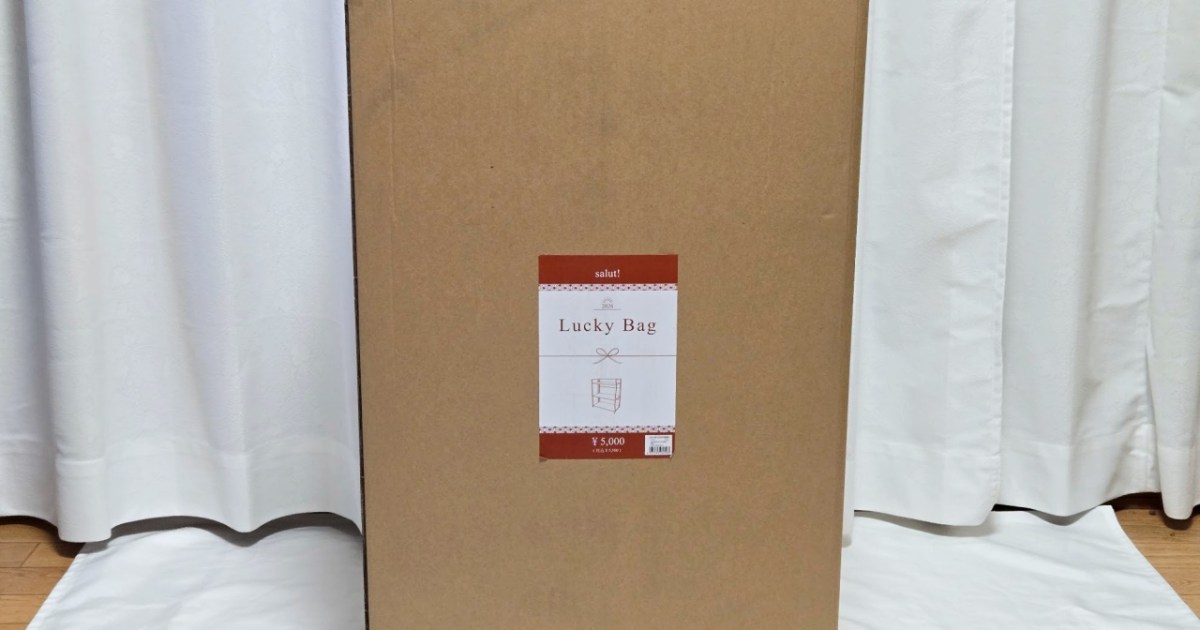
If you’re into chic, affordable home decor, salut! (saryu), a sister brand to the popular 3COINS, is a name you’ll want to remember. Known for its "adult-cute" インテリア (interia, interior decor) and 雑貨 (zakka, miscellaneous goods), the store offered four exclusive online-only 福袋 (fukubukuro) this year, priced between 3,000 and 5,000 yen (about $20–$35 USD). Each bag came with a main item announced in advance, while the rest remained a mystery. The writer of the Rocket News piece went for the 5,500-yen “Lucky Bag A” (including shipping), largely because its star item was a foldable rack—a deal with amazing コスパ (kosupa, cost-performance or value for money).
When the box arrived, it lived up to expectations. The pre-assembled rack took less than 10 seconds to set up: just unfold the legs and flip down the shelf. Its wooden texture added a cozy, オシャレ (oshare, stylish) vibe, perfect for a minimalist apartment or someone embracing 一人暮らし (hitorigurashi, living alone). Though the quality matched its budget-friendly price, the writer was thrilled. Surprise items like a drawer box and a display stand sweetened the deal. For 5,500 yen with free shipping, this bag was a steal—no wonder it reached 完売 (kanbai, sold out) by the evening of launch day!
A Step Toward a Mindful Lifestyle
The writer’s mission was personal: to transform their cluttered room—jokingly called a こどもおばさん部屋 (kodomo obasan heya, “childish middle-aged woman’s room”)—into a space reflecting 丁寧な暮らし (teinei na kurashi, “a mindful, careful lifestyle”). After decorating the rack with personal touches, they felt a small win, even if the rest of the room still needed work. This relatable goal mirrors a broader trend in Japan, especially among young adults, to create intentional, Instagram-worthy living spaces that feel mature and curated.
Cultural Context: The Magic of Fukubukuro
If you’ve ever wondered why Japanese people get so hyped about mystery bags, let’s unpack the tradition of 福袋 (fukubukuro). Literally meaning “lucky bag,” these bundles are sold by stores across Japan starting on January 1st or 2nd, often at huge discounts. Historically, merchants used them to clear old inventory, but today, they symbolize renewal and good fortune for the year ahead. Fukubukuro are a cultural event—think long lines at department stores or frantic online refreshes to snag the best deals. For a store like salut! (saryu), these bags tap into a modern obsession with trendy decor, blending old customs with contemporary lifestyle goals. Understanding this tradition helps you see how Japanese culture weaves tradition into everyday life.
Learn Japanese from This Article
Ready to pick up some authentic Japanese from this story? Let’s break down key vocabulary and grammar patterns that’ll help you talk about shopping, lifestyle, and more—just like a native speaker would.
Key Vocabulary
| Japanese | Romaji | Meaning |
|---|---|---|
| 福袋 | fukubukuro | lucky bag (New Year mystery bag) |
| インテリア | interia | interior (decor or design) |
| 雑貨 | zakka | miscellaneous goods, sundries |
| オシャレ | oshare | stylish, fashionable |
| コスパ | kosupa | cost-performance (value for money) |
| 一人暮らし | hitorigurashi | living alone |
| 完売 | kanbai | sold out |
Grammar Spotlight: 〜だけあって and 〜てみる
Let’s dive into two useful grammar patterns that popped up in this context and can level up your Japanese conversations.
1. 〜だけあって (as might be expected from..., true to...) This pattern is used to explain why something meets expectations based on a certain quality or reputation. It often carries a sense of “no surprise here!”
- Structure: [Reason/Quality] + だけあって + [Result/Expectation]
- Example 1: サリュはオシャレな店だけあって、福袋も素敵だった。 (Saryu wa oshare na mise dakeatte, fukubukuro mo suteki datta.) - As might be expected from a stylish store like salut!, the lucky bag was lovely too.
- Example 2: 彼はプロだけあって、仕事が早い。 (Kare wa puro dakeatte, shigoto ga hayai.) - True to being a professional, he works fast.
- When to use: Perfect for commenting on something that aligns with a reputation or characteristic, like a store’s vibe or a person’s skills.
2. 〜てみる (try doing something to see how it is) This pattern combines a verb in the て-form with みる (miru, to see) to express trying something out experimentally.
- Structure: Verb (て-form) + みる
- Example 1: 福袋を買ってみた。 (Fukubukuro o katte mita.) - I tried buying a lucky bag.
- Example 2: 一人暮らしをしてみたい。 (Hitorigurashi o shite mitai.) - I want to try living alone.
- Example 3: 新しいインテリアを置いてみる。 (Atarashii interia o oite miru.) - I’ll try placing some new decor.
- When to use: Great for talking about experimenting with new experiences, like shopping for a fukubukuro or testing out a lifestyle change.
Useful Expression
Here’s a bonus phrase you’ll hear often when discussing deals or value in Japan:
- コスパがいい (kosupa ga ii) - “Good value for money.” Use it to praise something that’s worth the price, like the writer did with the salut! lucky bag. Example: この福袋はコスパがいいね! (Kono fukubukuro wa kosupa ga ii ne!) - This lucky bag is great value!
Continue Learning
Want to dig deeper into Japanese grammar to sound even more natural? Check out these lessons:
- Masu Form: Mastering Polite Everyday Speech: Want to understand the verb forms used here? Check out Masu Form: Mastering Polite Everyday Speech.
- Wa vs. Ga: Emphasizing Importance in Sentences: Want to learn more about は? Check out our lesson on Wa vs. Ga: Emphasizing Importance in Sentences.
- Ni, De, and E: Mapping Directions and Locations: Want to learn more about に? Check out our lesson on Ni, De, and E: Mapping Directions and Locations.
We hope this peek into the world of 福袋 (fukubukuro) has inspired you to explore Japanese culture and language further. Whether you’re dreaming of an オシャレ (oshare) room or just curious about New Year traditions, every story is a chance to learn. Keep practicing, and maybe next January, you’ll be ready to snag your own lucky bag!
これからもよろしくお願いします。 Kore kara mo yoroshiku onegaishimasu.