
Heavy Snowfall to Disrupt Japan's New Year: Learn the Language of Winter
As the New Year approaches, Japan is bracing for a powerful cold front that could blanket much of the country in heavy snow, right in the middle of the sacred お正月 (oshougatsu)—New Year holiday period. If you’ve ever wondered how nature and culture intertwine in Japan, this weather event offers a perfect window into the resilience and traditions of the Japanese people. Let’s dive into the forecast, explore the cultural significance of this timing, and pick up some essential Japanese vocabulary and grammar along the way to help you talk about winter like a native.
Weather Alert: A Cold Start to 2025
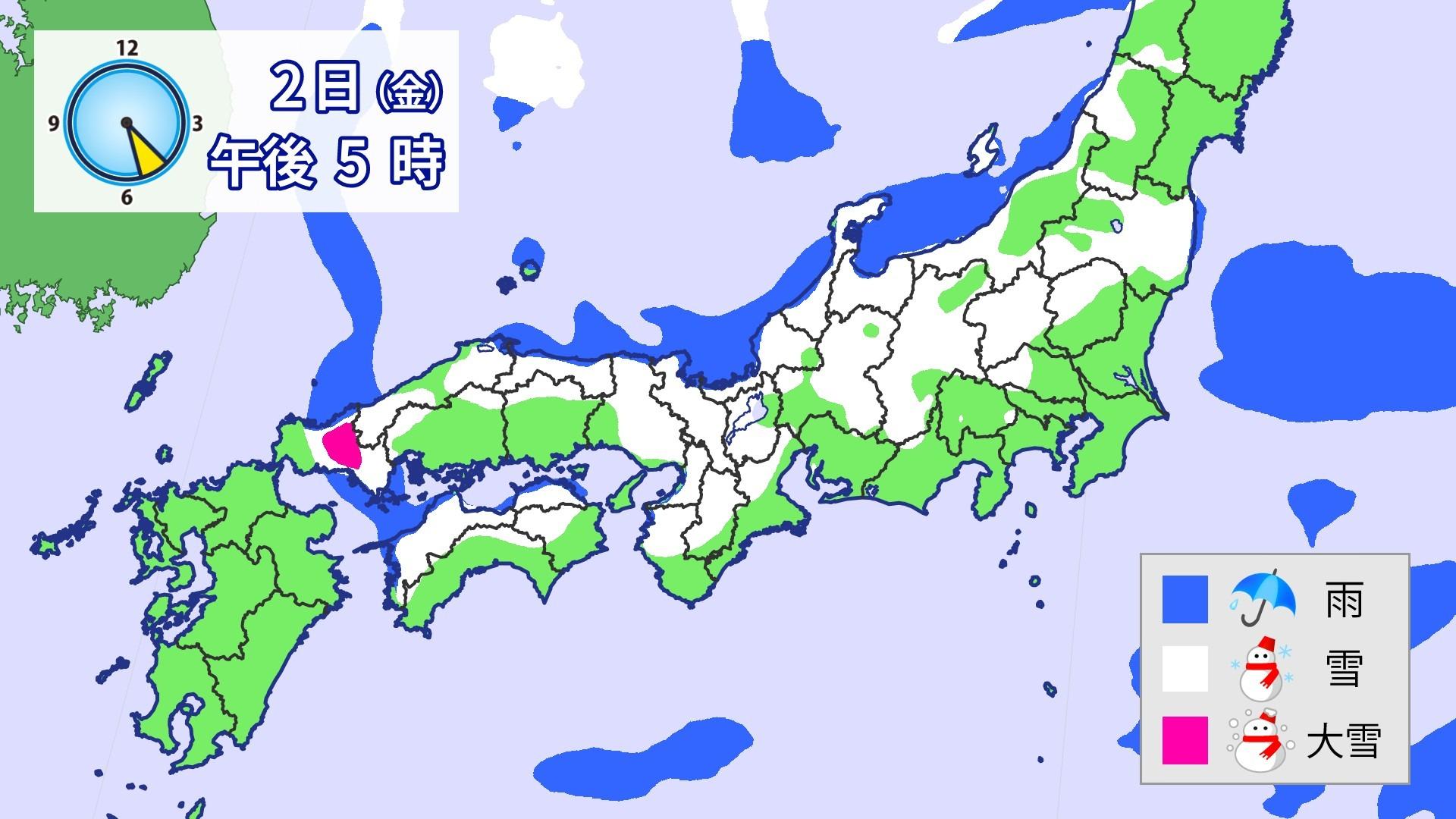
A strong cold air mass, or 寒気 (kanki), is set to descend over Japan starting January 1st, with the deepest chill expected on January 2nd. According to sources like tenki.jp and Tulip Television, temperatures at 5,500 meters above ground could plummet below -39°C, creating prime conditions for 大雪 (ooyuki)—heavy snowfall. The regions along the Sea of Japan, from Tohoku in the northeast to San’in in the west, are on high 警戒 (keikai)—alertness—for what might be the season’s worst storm. In just 24 hours on January 1st, Tohoku could see up to 80 cm of 積雪 (sekisetsu)—snow accumulation—while Hokuriku and northern Kinki might get 70 cm on the 2nd.
Even areas less used to snow, like parts of Kanto (including central Tokyo), central and southern Kinki, and Shikoku, may see flurries or accumulation on flat ground by the night of January 2nd. By January 3rd, snowfall is expected to persist along the Sea of Japan coast, adding another 50 cm in some areas. Authorities are warning of highway closures, with NEXCO West Japan urging everyone to check 路面状況 (romen joukyou)—road surface conditions—before traveling. This storm could seriously disrupt plans during one of Japan’s most cherished holiday periods.
Cultural Context: New Year and the Snow Country
The timing of this snowstorm hits right at お正月 (oshougatsu), the New Year celebration that’s deeply woven into the fabric of Japanese life. This is when families reunite, visit shrines for 初詣 (hatsumoude)—the first shrine visit of the year—and embrace a sense of renewal. Heavy snow often complicates these traditions, especially in rural or mountainous regions where people travel to ancestral homes. Yet, for many Japanese, preparing for such weather is second nature, reflecting a cultural resilience shaped by the country’s diverse climate.
The Sea of Japan side, often called 雪国 (yukiguni)—literally “snow country”—is infamous for its brutal winters. Cold Siberian winds pick up moisture over the sea and dump massive amounts of snow on Japan’s western coast. This isn’t just geography; it’s part of local identity, inspiring literature like Yasunari Kawabata’s Snow Country and even unique regional dialects. For learners like you, understanding these natural and cultural divides deepens your connection to how Japanese people live, adapt, and express their world through language.
Learn Japanese from This Article
Let’s turn this weather update into a learning opportunity. Below, you’ll find key vocabulary to talk about winter weather, plus grammar patterns to help you sound natural when discussing forecasts or warnings. These are terms and structures you’d hear on Japanese news or in everyday conversations during this season.
Essential Vocabulary
| Japanese | Romaji | Meaning |
|---|---|---|
| 大雪 | ooyuki | heavy snowfall |
| 寒気 | kanki | cold air mass |
| 警戒 | keikai | caution, alertness |
| 積雪 | sekisetsu | snow accumulation |
| 路面状況 | romen joukyou | road surface condition |
| お正月 | oshougatsu | New Year (holiday period) |
Grammar Spotlight: Expressing Risk and Expectation
Here are two useful grammar patterns straight from Japanese weather reports that will help you talk about possibilities and predictions.
〜おそれがある (osore ga aru): "There is a risk/fear of ~" This pattern is used to warn of potential dangers or negative outcomes, often in formal or news contexts.
- Structure: Verb (dictionary form) + おそれがある
- Example 1: 大雪になるおそれがあります。 (Ooyuki ni naru osore ga arimasu.) - There is a risk of heavy snowfall.
- Example 2: 道路が閉鎖されるおそれがあります。 (Douro ga heisa sareru osore ga arimasu.) - There is a risk that roads will be closed.
- When to use: Perfect for discussing weather hazards or other uncertainties in a serious tone.
〜見込みです (mikomi desu): "It is expected that ~" This pattern conveys predictions or forecasts, often used in weather or planning contexts.
- Structure: Verb (dictionary form) + 見込みです
- Example 1: 2日に70センチの積雪がある見込みです。 (Futsuka ni nana-jus-senchi no sekisetsu ga aru mikomi desu.) - It is expected that there will be 70 cm of snow accumulation on the 2nd.
- Example 2: 気温が下がる見込みです。 (Kion ga sagaru mikomi desu.) - It is expected that the temperature will drop.
- When to use: Great for sharing forecasts or expectations in a neutral, informative way.
Useful Expression
When discussing travel or weather updates, you might hear or want to say: 気をつけてください。 (Ki o tsukete kudasai.) - "Please be careful." This is a polite, caring way to warn someone about potential dangers like slippery roads or harsh weather.
Continue Learning
Ready to build on what you’ve learned here? Check out these lessons to deepen your understanding of Japanese:
- Time and Dates: Tense-Free Expressions: Want to learn more about time? Check out our lesson on Time and Dates: Tense-Free Expressions.
- Wa vs. Ga: Emphasizing Importance in Sentences: Ready to dive deeper? Our lesson on Wa vs. Ga: Emphasizing Importance in Sentences will help you master these concepts.
- Masu Form: Mastering Polite Everyday Speech: Want to understand the verb forms used here? Check out Masu Form: Mastering Polite Everyday Speech.
As you continue your journey with Japanese, remember that learning the language is also about understanding the world it comes from—whether it’s a snowy New Year or a quiet moment at a shrine. Keep exploring, and we’ll be here to guide you every step of the way.
これからもよろしくお願いします。 Kore kara mo yoroshiku onegaishimasu.