
A Musician’s Battle with JASRAC: Uncovering Japan’s Royalty System
Imagine pouring your soul into a song, only to hear it echo through the speakers of a prime-time Japanese TV show. For a struggling indie musician like Nakazawa Seiji, this dream became reality in July 2025. But the thrill soon turned to frustration when the royalty payment from JASRAC (jasurakku), Japan’s copyright management organization, didn’t match the hype. If you’ve ever wondered what goes on behind the scenes of Japan’s entertainment industry, Nakazawa’s raw journey into the murky world of music royalties offers a fascinating Ascend the learning curve with us at "Japanese from Japan" as we dive into this fascinating story—and pick up some authentic Japanese along the way.
The Song That Hit Prime Time
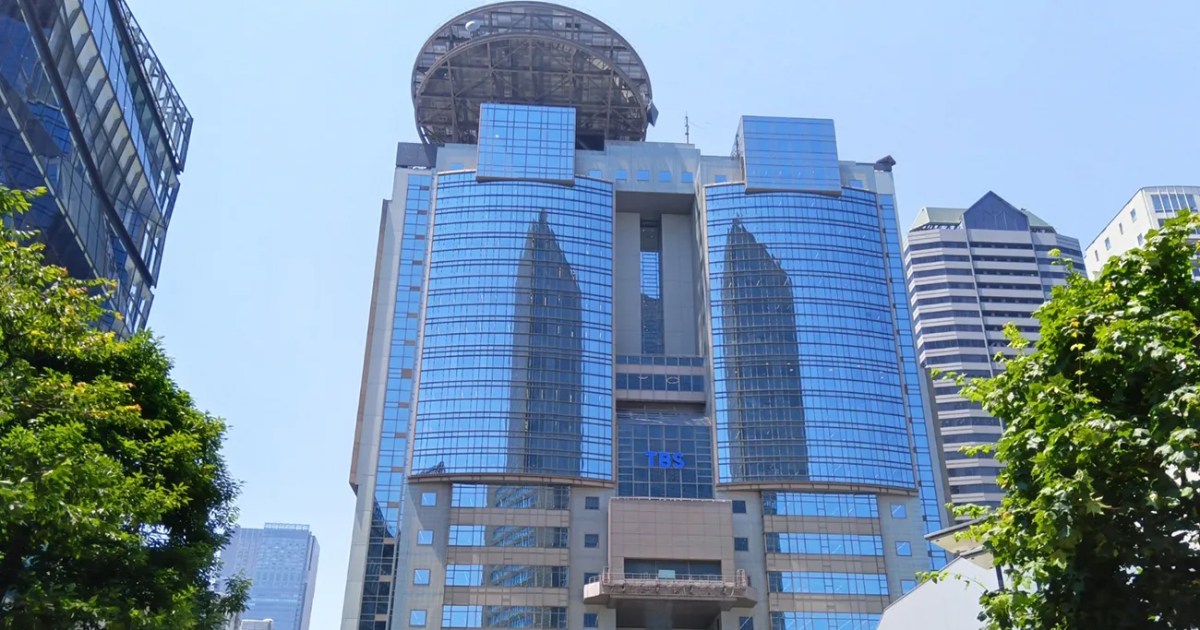
In July 2025, Nakazawa experienced a career-defining moment: a song he wrote lyrics for aired on a major Japanese network during ゴールデンタイム (gōruden taimu), the coveted “golden time” slot when viewership peaks in the evening. For an indie artist used to measuring success by small concert turnouts, this was huge. “Honestly, I was over the moon,” Nakazawa shared, even joking about whether to celebrate with a drink months later. How did this happen? It wasn’t a viral hit or clever marketing—Nakazawa appeared on the show himself, and the song was featured as part of his story. A rare, one-off moment, but a dream come true nonetheless.
High Hopes for Royalties
When a song airs on TV in Japan, creators are entitled to royalties through JASRAC (jasurakku), the Japanese Society for Rights of Authors, Composers, and Publishers. JASRAC collects 使用料 (shiyōryō), or usage fees, from TV stations under blanket contracts and handles the 分配 (bunpai), or distribution, to artists based on airplay reports. Nakazawa had high 期待 (kitai), or expectation, for a decent payout, especially since this was a prime-time 放送 (hōsō), or broadcast, on a major network. The exact amount isn’t fixed—it depends on airtime and the station’s scale—but surely, he thought, this would be significant. So, when the payment statement arrived in December 2025 for the July-to-September period, his テンション (tenshon), or excitement, was through the roof.
A Shocking Disappointment
That excitement crashed hard. The total royalty payment? Just 3,639 yen—less than the previous quarter and nowhere near what he’d hoped for a TV feature. Scanning the breakdown, Nakazawa noticed something strange: there was no entry for “broadcast” usage. His royalties only reflected minor uses like underground idol performances and online streams. The TV airing seemed missing entirely. Frustrated, he wondered if a small-time artist like himself had been overlooked in JASRAC’s massive workload. Determined for answers, he made a bold move, jokingly calling it a 逆凸 (gyaku totsu), slang for “reverse ambush” or confronting someone unexpectedly, by directly calling JASRAC.
Unraveling the Mystery with JASRAC
During the call, Nakazawa learned that TV royalties are categorized under “broadcast,” often marked with codes like KB○○ (e.g., KB110 for NHK). But his December statement showed no such entry for the July airing. The explanation was surprisingly simple: TV broadcast royalties are paid six months after airing, not three like streaming or concert usage. The payment for his July 放送 (hōsō) wouldn’t appear until March 2026. Nakazawa admitted he was caught off guard—he’d assumed all royalties followed the same timeline. It was a humbling lesson in how little he knew about the system he’s part of.
Decoding Japan’s Royalty Formula
Curious to dig deeper, Nakazawa researched JASRAC’s guidelines and followed up with questions. The royalty calculation for TV usage is complex, based on a point system. Factors include the number of airings, duration (1 second = 1 point), usage type (e.g., theme song or background music), and the station’s broadcasting scale (based on annual revenue). These points determine how a pool of contract money is split among creators. Surprisingly, whether a show airs late at night or during ゴールデンタイム (gōruden taimu) doesn’t directly impact the payout—it’s tied to the station’s overall “points.” For Nakazawa, this opaque formula means there’s no way to predict the exact amount until the March 2026 statement arrives. Will it be a windfall or another letdown? He’s promised to keep us updated.
Cultural Context: Japan’s Entertainment System
For many English speakers, a centralized body like JASRAC (jasurakku) handling 著作権 (chōsakuken), or copyright, might feel unfamiliar. In Japan, JASRAC dominates copyright management, acting as a middleman between creators and media. Rooted in Japan’s collectivist business culture, it aims for fair distribution but often faces criticism for complexity and lack of transparency—issues Nakazawa’s story highlights. Terms like ゴールデンタイム (gōruden taimu) also show how deeply TV culture shapes Japanese life, with prime-time slots historically defining national viewing habits. Nakazawa’s persistence in navigating this bureaucracy, even as a small player, reflects a very Japanese trait: a quiet determination to seek clarity rather than accept the status quo.
Learn Japanese from This Article
Nakazawa’s journey isn’t just a peek into Japan’s music industry—it’s also a chance to learn Japanese as it’s used in real life. Let’s break down some key vocabulary and grammar from this story to boost your skills.
Key Vocabulary
| Japanese | Romaji | Meaning |
|---|---|---|
| ゴールデンタイム | gōruden taimu | golden time, prime time (TV slot with high viewership) |
| 著作権 | chōsakuken | copyright |
| 使用料 | shiyōryō | usage fee, royalty |
| 分配 | bunpai | distribution, allocation |
| 放送 | hōsō | broadcast |
| 期待 | kitai | expectation, anticipation |
| テンション | tenshon | tension, excitement (often used for mood/energy) |
Grammar Spotlight: 〜かもしれない (Might, Maybe)
The structure 〜かもしれない (kamoshirenai) expresses possibility or uncertainty, much like “might” or “maybe” in English. It’s often used when speculating about outcomes, as Nakazawa did with his royalty payment.
Structure: Verb (plain form) + かもしれない OR Noun/Adjective + かもしれない
Examples:
- 支払いが高いかもしれない。 (Shiharai ga takai kamoshirenai.) The payment might be high.
- また失望するかもしれない。 (Mata shitsubō suru kamoshirenai.) I might be disappointed again.
- これは問題かもしれない。 (Kore wa mondai kamoshirenai.) This might be a problem.
When to Use: This is perfect for expressing uncertainty about future events or situations, a common tone in Nakazawa’s story as he awaits his March 2026 statement.
Grammar Spotlight: 〜たところ (Upon Doing, When I Did)
The structure 〜たところ (ta tokoro) means “upon doing something” or “when I did something,” often describing the result or situation after an action. Nakazawa used this kind of expression when reflecting on checking his royalty statement.
Structure: Verb (た form) + ところ
Examples:
- 明細を見たところ、放送の項目がなかった。 (Meisai o mita tokoro, hōsō no kōmoku ga nakatta.) Upon looking at the statement, there was no broadcast entry.
- 電話したところ、理由が分かった。 (Denwa shita tokoro, riyū ga wakatta.) When I called, I understood the reason.
- 調べたところ、ルールが複雑だった。 (Shirabeta tokoro, rūru ga fukuzatsu datta.) Upon researching, the rules were complicated.
When to Use: This structure helps narrate sequences of events, especially when an action leads to a discovery or result, mirroring Nakazawa’s step-by-step investigation.
Continue Learning
Want to build on what you’ve learned here? Explore more authentic Japanese with these lessons:
- Time and Dates: Tense-Free Expressions: To understand more about time, explore our Time and Dates: Tense-Free Expressions lesson.
- Ni, De, and E: Mapping Directions and Locations: Want to learn more about に? Check out our lesson on Ni, De, and E: Mapping Directions and Locations.
- Katakana Essentials: Adapting Global Words to Japanese: Working on your reading skills? Our Katakana Essentials: Adapting Global Words to Japanese lesson is a great next step.
これからもよろしくお願いします。 Kore kara mo yoroshiku onegaishimasu.