
More than 1,200 道の駅 (michi no eki), or roadside stations, now operate across Japan, and Rocket News has singled out Fukushima Prefecture as a standout destination with 37 of them. In a new roundup published on October 31, 2026, a writer who says they have visited 900 stations nationwide picked 10 favorites from Fukushima, highlighting everything from seafood and hot springs to a Pokémon-themed park and a brand-new apple-focused stop. You can read the original at Rocket News.
The list focuses on four Fukushima locations in the published portion: Iwaki, Kunimi, Ishikawa, and Namie. Together, they show why these stops have grown far beyond simple rest areas. They function as travel destinations where visitors can eat local food, shop at 直売所 (chokubaijo), and explore attractions tied closely to each town.
Four Fukushima roadside stations that stood out
In Iwaki City, 道の駅 いわき・ら・ら・ミュウ is presented as a huge oceanfront complex on the grounds of Onahama Port. Inside, an お魚市場 crowded with 新鮮 (shinsen) seafood from the port gives the place the energy of a theme park. The biggest draw is the food: grilled fish, the local 郷土料理 (kyoudo ryouri) called サンマのポーポー焼き (sanma no poopooyaki), oversized fried horse mackerel, grilled seafood, and seafood rice bowls. The station also sits 隣接 (rinsetsu), or adjacent, to the popular aquarium 環境水族館アクアマリンふくしま.
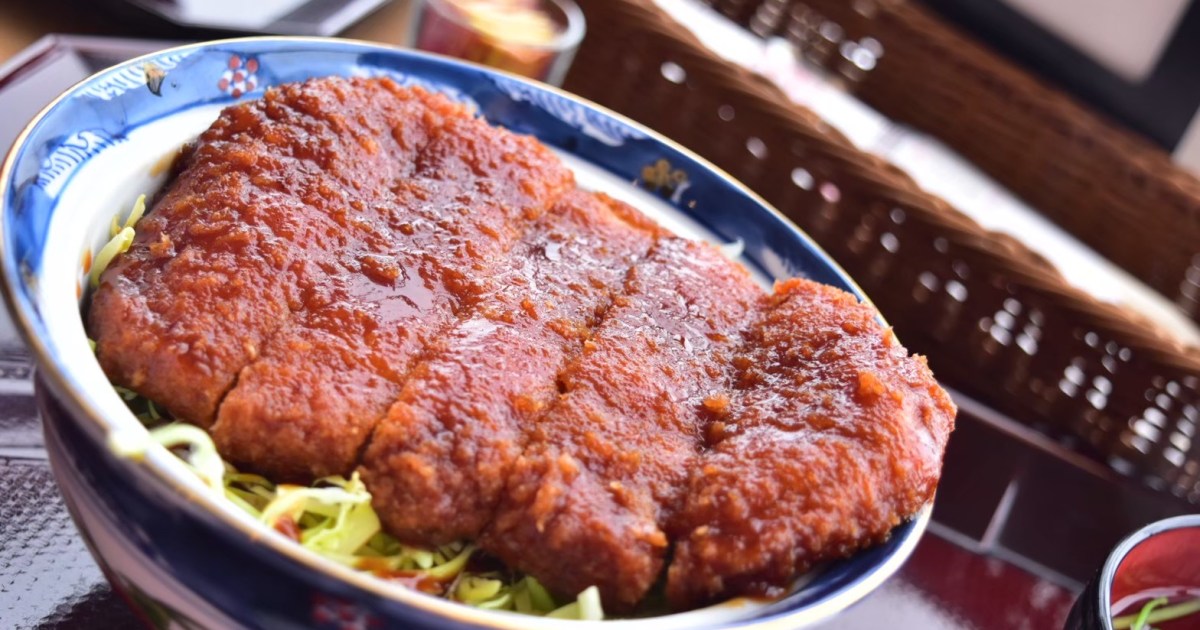
In Kunimi Town, 道の駅 国見 あつかしの郷 stands at what the source calls the northern gateway to Fukushima. The writer notes that it was the first roadside station in Fukushima to include lodging, but gives even more attention to its peach-themed goods and its unusual local burger. The 名物 (meibutsu), 国見バーガー (Kunimi baagaa), uses thick pieces of sweet-and-savory simmered mackerel in miso between burger buns. The station is also listed as 年中無休 (nenjuu mukyuu), open all year round.
A new apple station and a Pokémon park
In Ishikawa Town, 道の駅 石川 had just opened in September 2026. The station puts the town’s apples at the center of everything, from giant apple objects outside to a bakery packed with apple-shaped bread, apple pie, and apple bread. The sweets shop sells gelato topped with a cute apple-shaped wafer and fried apple snacks, while the dining hall serves hearty dishes including hormones and meals made with local ingredients.
In Namie Town, 道の駅 なみえ is introduced as a symbol of recovery in the coastal Hamadori area. Its most eye-catching feature is ラッキー公園 in なみえ (Rakkii Kouen in Namie), where large Pokémon play equipment fills the grounds. The food highlight is なみえ焼きそば (Namie yakisoba), a local favorite made with very thick noodles and rich sauce. The station also includes a rare branch of Muji and a food court serving fresh seafood sent directly from a fishing port.
Learn Japanese from This Article
Vocabulary
| Japanese | Romaji | Meaning |
|---|---|---|
| 道の駅 | michi no eki | roadside station; a rest area with shops, food, and local products |
| 新鮮 | shinsen | fresh |
| 観光客 | kankoukyaku | tourist; sightseer |
| 直売所 | chokubaijo | farm stand; direct-sales shop |
| 郷土料理 | kyoudo ryouri | regional cuisine; local traditional dish |
| 隣接 | rinsetsu | adjoining; adjacent |
| 名物 | meibutsu | local specialty; famous product or food |
| 年中無休 | nenjuu mukyuu | open all year round; no regular holidays |
Grammar Spotlight
〜ならでは
Pattern: Noun + ならでは Meaning: unique to; something only possible because of that place or thing
From the article: そして、この道の駅最大の目玉が……海沿いならではの圧倒的グルメだ。 Soushite, kono michi no eki saidai no medama ga... umizoi narade wa no attouteki gurume da. “And the biggest attraction at this roadside station is the overwhelming food you can only get at a seaside location.”
Example: 福島ならではの名物を食べたいです。 Fukushima narade wa no meibutsu o tabetai desu. “I want to eat specialties unique to Fukushima.”
Example: 港町ならではの新鮮な魚が並んでいます。 Minatomachi narade wa no shinsen na sakana ga narande imasu. “Fresh fish unique to a port town are lined up for sale.”
〜たばかり
Pattern: Verb past short form + ばかり Meaning: just did; something happened very recently
From the article: 2026年9月にオープンしたばかり! Ni sen nijuu roku nen kugatsu ni oopun shita bakari! “It just opened in September 2026!”
Example: この店は先週できたばかりです。 Kono mise wa senshuu dekita bakari desu. “This shop just opened last week.”
Example: さっき焼いたばかりのパンを買いました。 Sakki yaita bakari no pan o kaimashita. “I bought bread that had just been baked.”
Useful Expressions
一度食べたらヤミツキになる Ichido tabetara yamitsuki ni naru “Once you try it, you’ll get hooked.”
目と鼻の先 Me to hana no saki “Right nearby”
一日中楽しめる Ichinichijuu tanoshimeru “You can enjoy it all day”
Continue Learning
- Time and Dates: Tense-Free Expressions: Curious about the Japanese used here? Our Time and Dates: Tense-Free Expressions lesson covers this in depth.
これからもよろしくお願いします。 Kore kara mo yoroshiku onegaishimasu.