
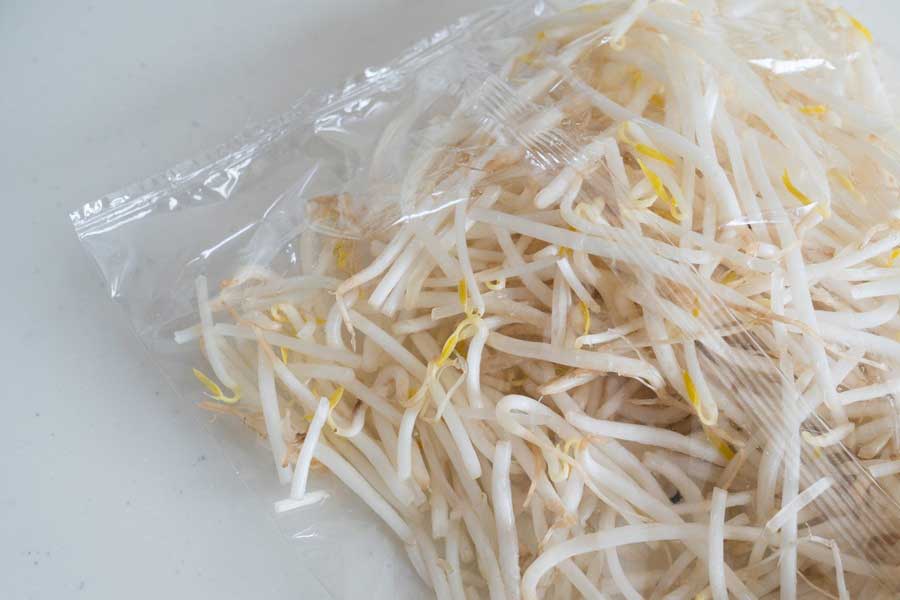
Bean sprouts are about 95% water, but that does not mean they have no nutrition. On October 28, 2026, lifestyle site Hint-Pot published advice from nutritionist and former home economics teacher Ayumi Wakan on how to store and cook モヤシ (moyashi, bean sprouts) without wasting their freshness or nutrients.
With vegetable 価格高騰 (kakaku koutou, price surges) worrying shoppers, bean sprouts stand out as a vegetable whose price stays relatively stable because they are less affected by the weather. At the same time, they are 傷みやすい (itami yasui, easily spoiled), so proper 保存方法 (hozon houhou, storage methods) matter.
Why bean sprouts are still useful during price surges
Bean sprouts are made by soaking beans in water and letting them sprout in a dark place. They are sold throughout the year at a relatively stable price, making them a 手頃 (tegoro, affordable) option when other vegetables become expensive.
Many people assume bean sprouts have little nutritional value because of their high water content. Wakan says that image is mistaken. In the case of mung bean sprouts, which are commonly 出回る (demawaru, sold widely) in stores, vitamin C increases during the sprouting process even though mung beans originally contain very little of it.
She also points to other 栄養素 (eiyouso, nutrients) in bean sprouts, including vitamins B1 and B2, folate, potassium, and dietary fiber. These help with energy metabolism, red blood cell formation, removing excess sodium and water from the body, and supporting the intestinal environment.
Bean sprouts can be used in stir-fries, soups, and namul. In the current season, they can also replace expensive leafy vegetables in salads and hot pot dishes. Their mild flavor makes them useful for adding bulk to everyday meals.
The storage mistakes to avoid
Because bean sprouts contain so much water, they spoil quickly. To keep their freshness and nutrition as much as possible, Wakan recommends three main points.
First, do not store them in the vegetable drawer. Bean sprouts are better suited to low temperatures, and the vegetable compartment in a household 冷蔵庫 (reizouko, refrigerator) is usually warmer than the main refrigerator section. She advises making one or two small holes in the bag with a toothpick so moisture can escape, then storing the sprouts in the colder refrigerator or chilled section and using them as soon as possible.
Second, storing them submerged in water is not recommended from a nutrition standpoint. Some people remove bean sprouts from the bag, place them in a sealed container, cover them with water, and refrigerate them to make them last longer. Wakan says water-soluble nutrients such as vitamin C and B vitamins leak into the water.
Third, do not overboil them. Boiling too long causes the same kinds of water-soluble nutrients to escape into the cooking water, and the crunchy texture and flavor also decline. She recommends blanching them briefly in boiling water, removing them right away, and spreading them on a tray to cool. Cooling them in water is also considered wasteful nutritionally. Using a microwave is an easier method and reduces the loss of water-soluble nutrients.
Wakan is a nutritionist, home economics teacher, and nutrition-based medicinal food specialist. She taught at a public high school for 27 years and now works independently teaching subjects such as food science, while promoting healthy eating that combines modern nutrition with traditional medicinal food knowledge.
Learn Japanese from This Article
Vocabulary
| Japanese | Romaji | Meaning |
|---|---|---|
| 価格高騰 | kakaku koutou | price surge, sharp rise in prices |
| 保存方法 | hozon houhou | storage method |
| 栄養素 | eiyouso | nutrient |
| 出回る | demawaru | to be widely sold, to circulate on the market |
| 傷みやすい | itami yasui | easily spoiled, perishable |
| 冷蔵庫 | reizouko | refrigerator |
| 手頃 | tegoro | reasonable, affordable, handy |
Grammar Spotlight
〜ため
Meaning: because; due to; for the purpose of
From the article: 水分が約95%を占めるため、「栄養がない」と思われがちですが、実は、さまざまな栄養素が含まれています。 Suibun ga yaku kyuujuu go-paasento o shimeru tame, “eiyou ga nai” to omoware gachi desu ga, jitsu wa, samazama na eiyouso ga fukumarete imasu. Because water makes up about 95% of them, people tend to think they have no nutrition, but in fact they contain a variety of nutrients.
Example: 雨のため、試合は中止になりました。 Ame no tame, shiai wa chuushi ni narimashita. Because of rain, the game was canceled.
Example: 健康のため、毎日野菜を食べています。 Kenkou no tame, mainichi yasai o tabete imasu. I eat vegetables every day for my health.
How to use it: 〜ため can show either a cause or a purpose. In news writing, it often sounds slightly formal.
〜やすい
Meaning: easy to do; likely to do; prone to
From the article: モヤシは低温保存に適した野菜なので、野菜室に入れると鮮度が落ちやすくなります。 Moyashi wa teion hozon ni tekishita yasai na node, yasaishitsu ni ireru to sendo ga ochi yasuku narimasu. Bean sprouts are suited to low-temperature storage, so if you put them in the vegetable drawer, they tend to lose freshness more easily.
Example: このカバンは軽くて持ちやすいです。 Kono kaban wa karukute mochiyasui desu. This bag is light and easy to carry.
Example: 夏は食べ物が傷みやすいです。 Natsu wa tabemono ga itami yasui desu. Food spoils easily in summer.
How to use it: Attach 〜やすい to the verb stem to show something is easy to do or likely to happen.
Useful Expressions
価格が安定している Kakaku ga antei shite iru Prices are stable.
できるだけ早く使い切る Dekiru dake hayaku tsukaikiru Use it up as soon as possible.
水溶性の栄養素 Suiyousei no eiyouso Water-soluble nutrients.
さっとゆでる Satto yuderu Boil briefly.
これからもよろしくお願いします。 Kore kara mo yoroshiku onegaishimasu.