
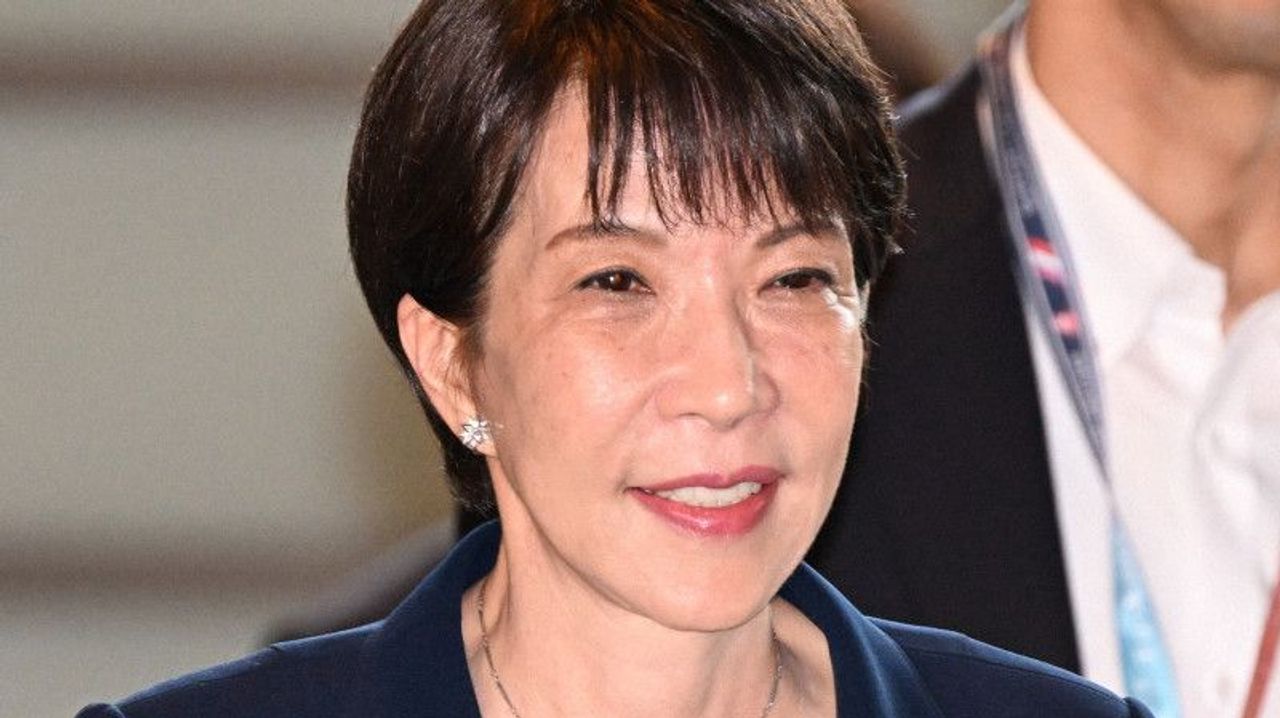
On May 23 and 24, the Mainichi Shimbun conducted a nationwide survey—and the results show that the Takaichi Cabinet’s approval rating has fallen to 50%.
According to the paper, the cabinet’s 支持率 (shijiritsu, approval rating) dropped 3 points from the previous survey conducted on April 18 and 19, when it stood at 53%. This marks the third consecutive month of decline.
At the same time, the 不支持率 (fushijiritsu, disapproval rating) remained unchanged at 33%.
A Nationwide Public Opinion Survey
The survey, described as a 世論調査 (yoron chōsa, public opinion survey), was 実施した (jisshi shita, conducted) over two days: May 23 and 24.
In Japanese political reporting, these regular surveys are closely watched. Newspapers often conduct them monthly to track shifts in public opinion. Even a small change—such as a 3-point movement—can become headline news.
This time, the key number is 50%.
Three Months of Decline
The article notes that the approval rating has seen a 下落 (geraku, decline) for three months 連続 (renzoku, consecutively). It has also fallen for two months in a row to the lowest level since the cabinet was formed, breaking its own previous record low.
In Japanese, the report says the cabinet has “発足以来最低を更新した” — meaning it 更新した (kōshin shita, updated/broke) its lowest rating since its launch.
Meanwhile, the disapproval rating stayed the same at 33%, showing no change from the previous poll.
Cultural Context: Why Approval Ratings Matter in Japan
In Japan, cabinet approval ratings are widely reported and discussed. Newspapers such as the Mainichi Shimbun regularly publish results from 世論調査 (yoron chōsa), and television news programs analyze even small percentage shifts.
Because Japanese prime ministers and cabinets can face internal party pressure, declining approval ratings are often seen as politically significant—even when the drop is just a few points.
Understanding how these numbers are described in Japanese will help you read real news articles with confidence.
Learn Japanese from This Article
Key Vocabulary
| Japanese | Romaji | Meaning |
|---|---|---|
| 世論調査 | yoron chōsa | public opinion survey |
| 支持率 | shijiritsu | approval rating |
| 不支持率 | fushijiritsu | disapproval rating |
| 実施する | jisshi suru | to conduct, to carry out |
| 下落 | geraku | decline, fall |
| 連続 | renzoku | consecutive, in a row |
| 更新する | kōshin suru | to update; to break (a record) |
These are common words in political and economic reporting. Once you know them, Japanese news becomes much easier to follow.
Grammar Spotlight
1️⃣ 〜から〜ポイント減
Meaning: decreased by ~ points from ~
Structure: > A から B ポイント減
From the article: > 53%から3ポイント減の50%だった。 > 53-pāsento kara san-pointo gen no 50-pāsento datta. > “It decreased by 3 points from 53% to 50%.”
This pattern is frequently used in news reports about percentages, prices, and statistics.
Another example: > 10%から2ポイント減の8%になった。 > Jū-pāsento kara ni-pointo gen no hachi-pāsento ni natta. > “It fell by 2 points from 10% to 8%.”
2️⃣ 〜以来
Meaning: since ~; the first time since ~
From the article: > 内閣発足以来最低を更新した。 > Naikaku hossoku irai saitei o kōshin shita. > “It broke the lowest record since the cabinet was formed.”
以来 (irai) marks a starting point in time.
Example: > 去年以来、支持率が下がっている。 > Kyonen irai, shijiritsu ga sagatte iru. > “The approval rating has been falling since last year.”
You’ll see 以来 often in political, economic, and historical reporting.
Useful Expressions
全国世論調査を実施した。 Zenkoku yoron chōsa o jisshi shita. “A nationwide public opinion survey was conducted.”
3カ月連続で下落した。 San-kagetsu renzoku de geraku shita. “It declined for three consecutive months.”
前回調査と同じだった。 Zenkai chōsa to onaji datta. “It was the same as the previous survey.”
These phrases are staples of Japanese news writing.
Continue Learning
To understand more about general news vocabulary and reading practice, explore our Reading and Writing in Japanese II: Hiragana and Katakana lesson.
Working on your reading skills? Our Introduction to Kanji: Pictorial Foundations of Japanese Script lesson is a great next step.
Ready to dive deeper? Our lesson on Basic Vocabulary Building: Embracing Words Without Latin Ties will help you master these concepts.
By learning how Japanese newspapers report numbers, trends, and political shifts, you're building real-world reading ability—the same way students in Japan gradually learn to understand current events.
これからもよろしくお願いします。 Kore kara mo yoroshiku onegaishimasu.