
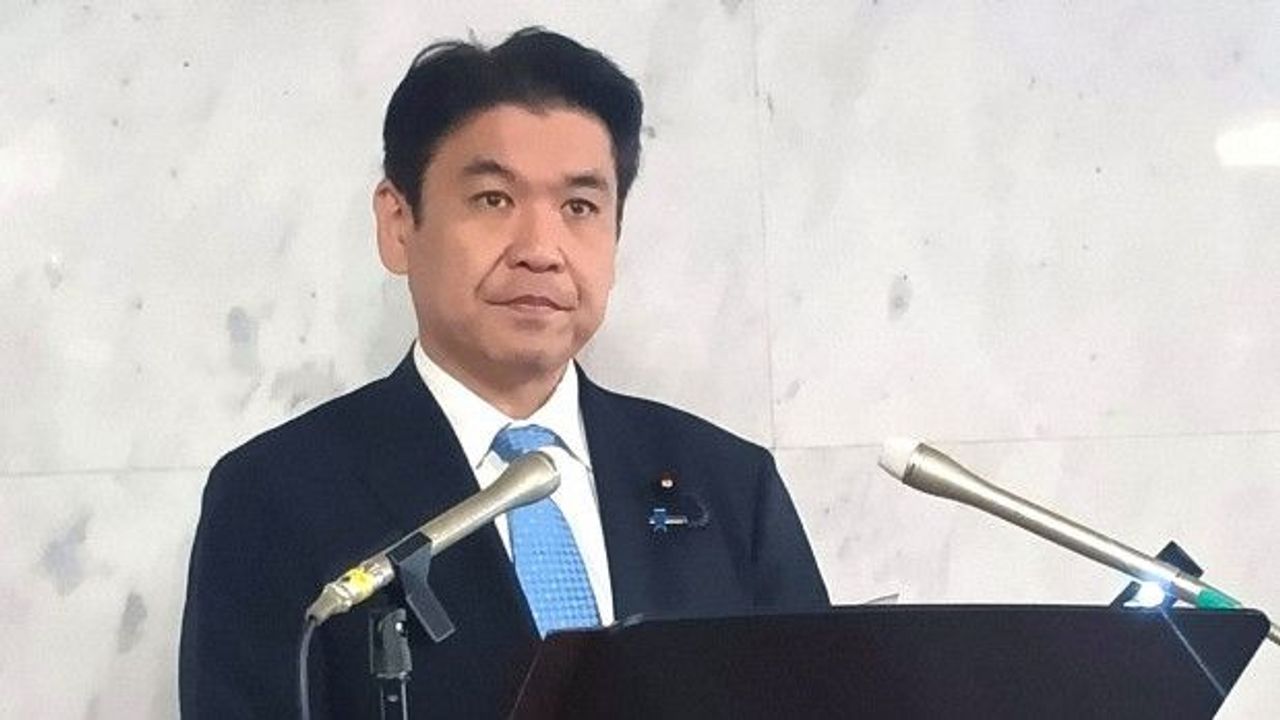
On April 24, Japan’s Ministry of Education revised its fundamental policy on preventing sexual violence by teachers—and made one key phrase disappear. The words “in principle” were removed from the guideline on dismissal.
MEXT Revises Guidelines on Teacher Misconduct
Japan’s 文部科学省 (Monbu-kagaku-shō), the Ministry of Education, Culture, Sports, Science and Technology, announced that it has 改定した (kaitei shita, revised) its 基本指針 (kihon shishin, basic guidelines) related to the law aimed at preventing sexual violence by teachers against students.
The law is formally known as the “Act on the Prevention of Sexual Violence by Teachers Against Children and Students” (教員による児童生徒性暴力防止法).
This revision was made in response to a 2025 incident that 発覚した (hakkaku shita, came to light), in which a teacher shared secretly recorded videos. Based on this case—2025年に発覚した教員による盗撮動画共有事件などを踏まえ (2025-nen ni hakkaku shita kyōin ni yoru tōsatsu dōga kyōyū jiken nado o fumae, taking into account the 2025 hidden-camera video-sharing incident by a teacher)—the ministry strengthened its stance.
Stronger Measures Against Hidden Cameras
The revised guidelines now clearly 明記した (meiki shita, specified in writing) measures to prevent hidden-camera filming (盗撮防止対策, tōsatsu bōshi taisaku) inside schools.
By explicitly stating these countermeasures in the official policy, the ministry is emphasizing that schools must actively work to prevent such acts from happening on campus.
Removal of “In Principle” from Dismissal Rule
One of the most significant changes involves disciplinary action.
Under the previous version of the guidelines, teachers who committed acts of sexual violence were to face 「原則として懲戒免職」 (gensoku to shite chōkai menshoku) — “dismissal as a disciplinary action in principle.”
Now, the phrase 「原則として」 (gensoku to shite, in principle) has been removed.
This means the guideline now states simply that teachers who commit such acts are subject to 懲戒免職 (chōkai menshoku, dismissal as a disciplinary action), without the qualifying language. The wording change signals a firmer, less flexible approach.
Cultural Context: Why Wording Matters in Japan
In Japanese official documents, wording is extremely important. Small phrases like 原則として (gensoku to shite) can soften or allow exceptions in enforcement.
By removing that phrase, the ministry has made its stance clearer and stricter. In Japanese policy writing, such adjustments often reflect a shift toward stronger accountability, even if the rest of the law remains the same.
Understanding these subtle language changes helps you see how Japanese institutions communicate seriousness and responsibility.
Learn Japanese from This Article
Let’s break down key vocabulary and grammar you can use in your own Japanese.
Key Vocabulary
| Japanese | Romaji | Meaning |
|---|---|---|
| 文部科学省 | Monbu-kagaku-shō | Ministry of Education, Culture, Sports, Science and Technology |
| 基本指針 | kihon shishin | basic guidelines, fundamental policy |
| 改定する | kaitei suru | to revise, to amend |
| 発覚する | hakkaku suru | to come to light, to be discovered |
| 踏まえる | fumaeru | to take into account, to base on |
| 明記する | meiki suru | to clearly state, to specify in writing |
| 懲戒免職 | chōkai menshoku | dismissal as a disciplinary action |
| 原則として | gensoku to shite | in principle |
Grammar Spotlight
1. 〜を踏まえ(て)
Meaning: Based on; taking into account
Structure: Noun + を踏まえ(て)
Example from the article: 事件を踏まえ、指針を改定した。 Jiken o fumae, shishin o kaitei shita. Based on the incident, the guidelines were revised.
Another example: 結果を踏まえて、対策を考えます。 Kekka o fumaete, taisaku o kangaemasu. We will consider countermeasures based on the results.
This expression is commonly used in news and formal writing.
2. 〜について
Meaning: Regarding; about
Structure: Noun + について
Example: 性暴力防止法について基本指針を改定した。 Seibōryoku bōshi-hō ni tsuite kihon shishin o kaitei shita. The basic guidelines regarding the prevention law were revised.
You’ll see 〜について everywhere in formal announcements and academic writing.
Useful Expression
原則として
原則として懲戒免職とする。 Gensoku to shite chōkai menshoku to suru. As a general rule, dismissal will be imposed.
When you see 原則として, it often suggests there may be exceptions. Its removal in this case changes the tone significantly.
Continue Learning
To strengthen your reading skills and better understand official Japanese texts:
- To understand more about general, explore our Reading and Writing in Japanese II: Hiragana and Katakana lesson.
- Working on your reading skills? Our Introduction to Kanji: Pictorial Foundations of Japanese Script lesson is a great next step.
- To understand more about general, explore our Basic Vocabulary Building: Embracing Words Without Latin Ties lesson.
Small wording shifts can carry big meaning in Japanese. By learning how expressions like 〜を踏まえ and 原則として are used, you begin to read between the lines—just as native speakers do.
これからもよろしくお願いします。 Kore kara mo yoroshiku onegaishimasu.