
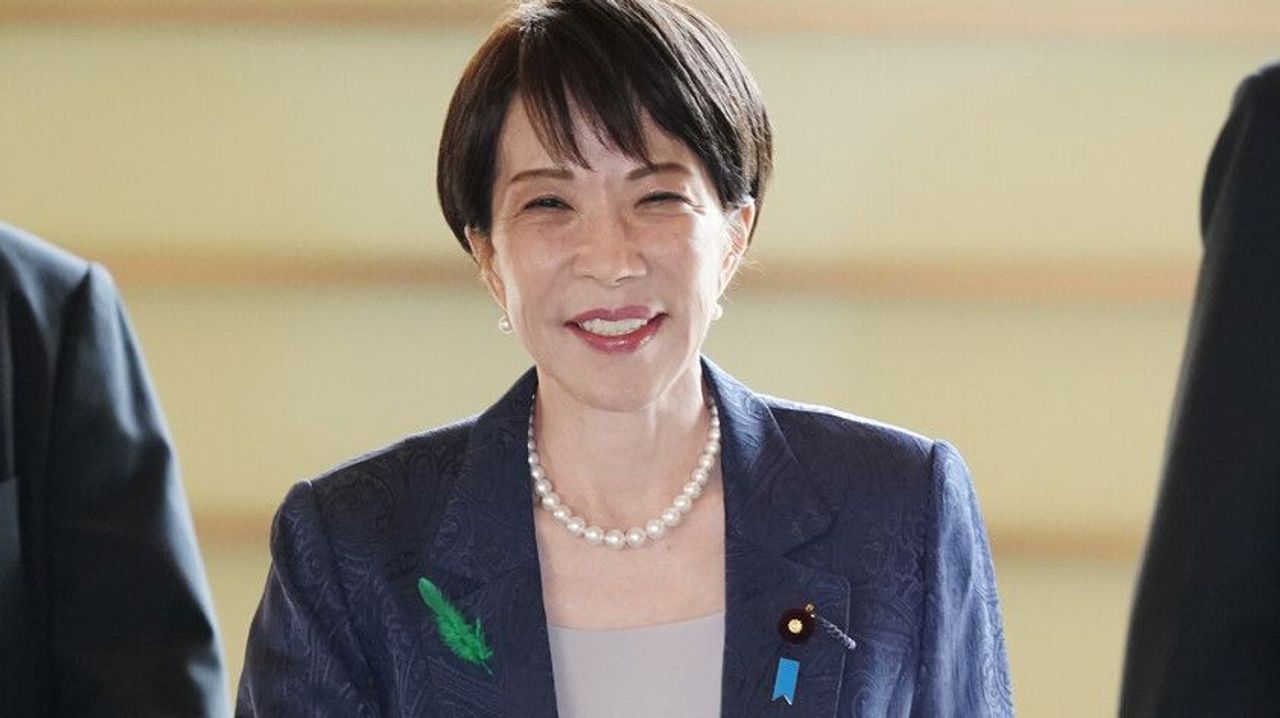
Prime Minister Sanae Takaichi has begun making arrangements to forgo a visit to Yasukuni Shrine during its upcoming spring festival, according to reports from April 17, 2001.
Prime Minister Adjusts Plans
The 首相 (shushō), Prime Minister Sanae Takaichi, is reportedly entering into coordination to refrain from visiting 靖国神社 (Yasukuni Jinja), located in Kudankita, Tokyo.
The planned non-visit would coincide with the shrine’s 春季例大祭 (shunki reitaisai), its annual spring grand festival, scheduled to take place from the 21st to the 23rd.
In Japanese, the report states that she is moving in the direction of 参拝 (sanpai) — a shrine visit for worship — being 見送る (miokuru), meaning to forgo or refrain from.
The phrase used is:
見送る方向で調整に入った miokuru hōkō de chōsei ni haitta “entered into arrangements with the intention of forgoing (the visit)”
This wording suggests that formal coordination or discussion has begun toward not making the visit.
What Is Yasukuni Shrine?
靖国神社 (Yasukuni Jinja) is a Shinto shrine in Tokyo’s Kudankita area. It is known for enshrining Japan’s war dead.
The 春季例大祭 (shunki reitaisai) is one of its major annual festivals. The word 例大祭 (reitaisai) literally means “regular grand festival,” referring to an important ceremonial event held each year.
Visits by a sitting 首相 (shushō) during such festivals can carry political and diplomatic significance, which is why decisions about whether to conduct 参拝 (sanpai) often receive national attention.
This article, however, reports only that the Prime Minister is arranging to refrain from visiting during the upcoming spring festival.
Learn Japanese from This Article
Let’s break down the key vocabulary and grammar used in this report.
Key Vocabulary
| Japanese | Romaji | Meaning |
|---|---|---|
| 首相 | shushō | Prime Minister |
| 靖国神社 | Yasukuni Jinja | Yasukuni Shrine |
| 春季例大祭 | shunki reitaisai | spring grand festival |
| 参拝 | sanpai | visit to a shrine or temple (for worship) |
| 見送る | miokuru | to forgo; to refrain from; to postpone |
| 方向で調整に入る | hōkō de chōsei ni hairu | to begin making arrangements in the direction of ~ |
Notice how many of these words are made up of kanji compounds. Each kanji carries meaning:
- 参 (participate) + 拝 (worship) → 参拝 (sanpai)
- 見 (see) + 送 (send off) → 見送る (miokuru) Originally “to see someone off,” but also used figuratively as “to forgo.”
If you’re working on reading skills, recognizing these building blocks will dramatically improve your comprehension.
Grammar Spotlight
1️⃣ 〜に合わせた
ni awaseta — “in accordance with” / “to coincide with”
From the article:
春季例大祭に合わせた参拝 shunki reitaisai ni awaseta sanpai “a visit timed to coincide with the spring grand festival”
Structure: > Noun + に合わせた + Noun
Examples:
祝日に合わせたイベント shukujitsu ni awaseta ibento An event held to coincide with a holiday.
季節に合わせた料理 kisetsu ni awaseta ryōri Dishes suited to the season.
This pattern is extremely common in news and formal writing.
2️⃣ 〜方向で調整に入った
~ hōkō de chōsei ni haitta — “entered into arrangements toward ~”
From the article:
見送る方向で調整に入った Began coordinating with the intention of forgoing (the visit).
Structure: > Verb (dictionary form) + 方向で調整に入る
It implies:
- The decision is not yet finalized.
- Discussions or coordination have begun.
- The direction of the decision is becoming clear.
Example:
- 延期する方向で調整に入った enki suru hōkō de chōsei ni haitta They began coordinating toward postponement.
This is classic political-news Japanese — careful, precise, and not overly definitive.
Useful Expression
見送る (miokuru)
Beyond “to see someone off,” it’s often used in news to mean:
- To forgo
- To refrain from
- To postpone
For example:
- 計画を見送る keikaku o miokuru To shelve a plan.
Understanding this broader meaning helps you read headlines more accurately.
Continue Learning
Curious about the Japanese used here? Strengthen your reading foundation with:
- Reading and Writing in Japanese II: Hiragana and Katakana
- Introduction to Kanji: Pictorial Foundations of Japanese Script
- Basic Vocabulary Building: Embracing Words Without Latin Ties
Mastering political and news vocabulary like 首相, 参拝, and 見送る opens the door to reading real Japanese media — the same language native speakers encounter every day.
これからもよろしくお願いします。 Kore kara mo yoroshiku onegaishimasu.