
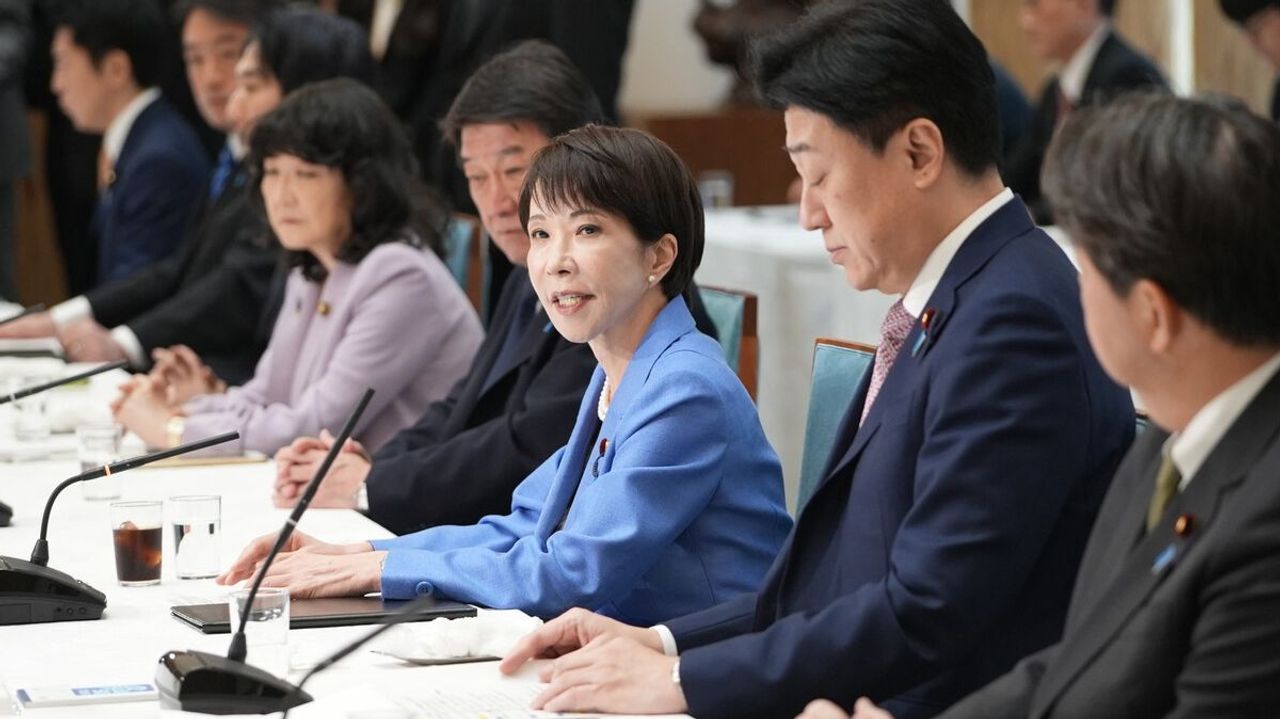
高市早苗首相が、憲法改正の国会発議について「1年以内」にめどをつけるとの目標を示しました。
In a recent statement, Prime Minister Sanae Takaichi — 高市早苗首相 (Takaichi Sanae shushō) — announced a goal regarding a constitutional amendment. Specifically, she indicated that she aims to establish a prospect within one year for formally proposing the amendment in Japan’s parliament.
A One-Year Target for Constitutional Action
Takaichi, who also serves as the 自民党総裁 (Jimintō sōsai, president of the Liberal Democratic Party), spoke about 憲法改正 (kenpō kaisei, constitutional amendment).
She referred to the matter 憲法改正の国会発議について (kenpō kaisei no kokkai hatsugi ni tsuite), meaning “regarding the proposal of a constitutional amendment in the National Diet.”
Her statement included the phrase:
「1年以内」にめどをつけるとの目標 “ichinen inai” ni medo o tsukeru to no mokuhyō A goal of setting a prospect “within one year”
In other words, she expressed a 目標 (mokuhyō, goal) to establish a めど (medo, prospect or rough time frame) within one year for formally submitting the proposal to the 国会 (kokkai, National Diet).
What Does This Mean in Japanese Politics?
In Japan, changing the Constitution is a significant and formal process. The first step is a 発議 (hatsugi), which means a formal proposal or motion submitted in a legislative body.
The 国会 (kokkai) — Japan’s parliament — must handle such proposals. By setting a one-year めど (medo), the Prime Minister is signaling a concrete timeline for moving the process forward.
Even in this short news report, you can see how Japanese political language is often precise and structured. Words like について and との appear frequently in formal announcements and written media.
Learn Japanese from This Article
Let’s break down the key vocabulary and grammar used in this report.
Key Vocabulary
| Japanese | Romaji | Meaning |
|---|---|---|
| 首相 | shushō | Prime Minister |
| 総裁 | sōsai | party president |
| 憲法改正 | kenpō kaisei | constitutional amendment |
| 国会 | kokkai | National Diet (Japan's parliament) |
| 発議 | hatsugi | proposal; motion (in a legislative body) |
| めど | medo | prospect; rough time frame |
| 目標 | mokuhyō | goal; target |
Try reading this original phrase again:
憲法改正の国会発議について「1年以内」にめどをつけるとの目標を示した。 Kenpō kaisei no kokkai hatsugi ni tsuite “ichinen inai” ni medo o tsukeru to no mokuhyō o shimeshita. She indicated a goal of setting a prospect within one year regarding the proposal of a constitutional amendment in the National Diet.
Grammar Spotlight
1. 〜について — “about; regarding”
This is a formal expression often used in news and official statements.
Structure: > Noun + について
Example from the article:
- 憲法改正の国会発議について Kenpō kaisei no kokkai hatsugi ni tsuite Regarding the proposal of a constitutional amendment in the Diet
More examples:
- 教育問題について話す。 Kyōiku mondai ni tsuite hanasu. To talk about education issues.
- 日本の文化について学ぶ。 Nihon no bunka ni tsuite manabu. To learn about Japanese culture.
You’ll see について constantly in formal writing and news articles.
2. 〜との+名詞 — Quoted content modifying a noun
This pattern is common in written Japanese. It connects quoted content to a noun like “statement,” “goal,” or “report.”
Structure: > Phrase + との + Noun
From the article:
- 「1年以内」にめどをつけるとの目標 A goal that (she will) set a prospect within one year
More examples:
- 増税するとの発表 Zōzei suru to no happyō An announcement that taxes will be raised
- 成功したとの報告 Seikō shita to no hōkoku A report that (it) succeeded
This structure is especially common in news headlines and political reporting.
Useful Expressions
- 目標を示す (mokuhyō o shimesu) — to indicate a goal
- めどをつける (medo o tsukeru) — to set a prospect; to establish a rough timeline
- 〜以内 (~ inai) — within (a time limit), e.g., 1年以内 (ichinen inai) — within one year
Continue Learning
To strengthen your ability to read articles like this:
- To understand more about general, explore our Reading and Writing in Japanese II: Hiragana and Katakana lesson.
- Working on your reading skills? Our Introduction to Kanji: Pictorial Foundations of Japanese Script lesson is a great next step.
- Curious about the Japanese used here? Our Basic Vocabulary Building: Embracing Words Without Latin Ties lesson covers this in depth.
Political news may seem dense at first, but it’s actually one of the best ways to encounter real, formal Japanese as it’s used every day in newspapers and broadcasts.
これからもよろしくお願いします。 Kore kara mo yoroshiku onegaishimasu.