
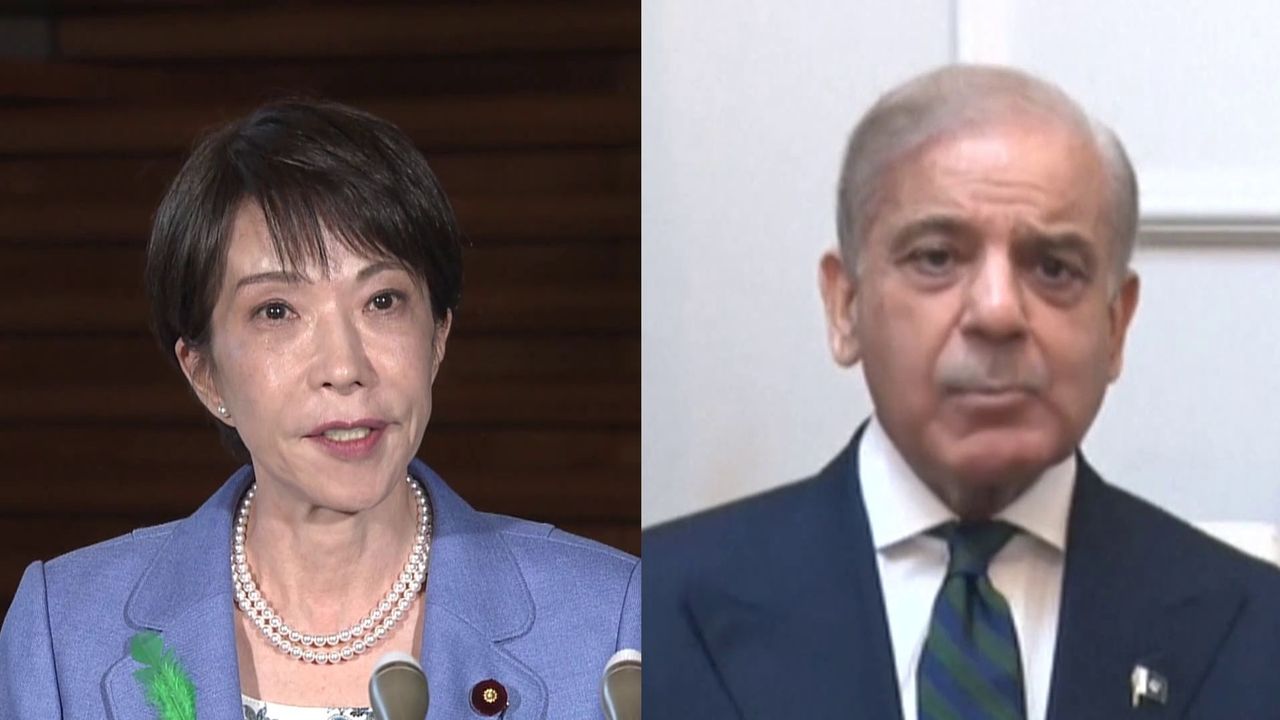
On April 13, 2001, Prime Minister Takachi held a phone summit with Pakistan’s Prime Minister Sharif, expressing support for mediation efforts aimed at ending combat between the United States and Iran.
Phone Talks Focus on Ending Conflict
According to the report, 高市総理 (Takachi souri, Prime Minister Takachi) conducted a 電話会談 (denwa kaidan, telephone talks) with Pakistan’s Prime Minister Sharif.
During the call, he conveyed his support for efforts to mediate negotiations toward ending the ongoing 戦闘 (sentou, combat) between the United States and Iran. Specifically, he expressed backing for 戦闘終結に向けた協議の仲介を支持する考えを伝えました—that is, he conveyed his intention to support mediation of talks aimed at bringing the fighting to a conclusion.
This sentence contains two important political terms:
- 終結 (shuuketsu) — conclusion or end, especially of a conflict
- 協議 (kyougi) — consultations or negotiations
Together, they describe diplomatic efforts focused on ending violence through dialogue rather than force.
What This Means in Diplomatic Language
In Japanese political reporting, phrases such as 仲介 (chuukai, mediation) and 支持する (shiji suru, to support) are common.
Rather than saying Japan will directly intervene, the wording emphasizes support for mediation—helping facilitate communication between parties. This reflects how Japanese news often carefully distinguishes between:
- Direct involvement
- Diplomatic support
- Mediation or coordination
The phrase 考えを伝える (kangae o tsutaeru)—“to convey one’s intention or position”—is also frequently used in political contexts. It signals that a leader has formally communicated their stance without necessarily taking immediate action.
Cultural Context: How Japan Reports Political News
Japanese news writing tends to be concise and highly structured. Key elements appear in a predictable order:
- Who acted (高市総理)
- What they did (電話会談をおこない)
- With whom (パキスタンのシャリフ首相と)
- What position they expressed
This structure is very useful for learners. Once you recognize these patterns, even complex international news becomes easier to understand.
Learn Japanese from This Article
Key Vocabulary
| Japanese | Romaji | Meaning |
|---|---|---|
| 総理 | souri | Prime Minister |
| 電話会談 | denwa kaidan | telephone talks; phone summit |
| 戦闘 | sentou | combat; battle |
| 終結 | shuuketsu | conclusion; end (of conflict) |
| 協議 | kyougi | consultation; negotiations; talks |
| 仲介 | chuukai | mediation; intercession |
| 支持する | shiji suru | to support; to back |
Try reading this original sentence again:
アメリカとイランの戦闘終結に向けた協議の仲介を支持する考えを伝えました。 Amerika to Iran no sentou shuuketsu ni muketa kyougi no chuukai o shiji suru kangae o tsutaemashita. “He conveyed his intention to support mediation of talks aimed at ending the combat between the United States and Iran.”
Grammar Spotlight
1. 〜に向けた
Meaning: toward; aimed at (a goal)
This pattern modifies a noun and shows purpose or direction.
Structure: Noun + に向けた + Noun
Example from the article:
- 戦闘終結に向けた協議 sentou shuuketsu ni muketa kyougi “talks aimed at ending combat”
More examples:
試験に向けた勉強 shiken ni muketa benkyou studying aimed at an exam
将来に向けた計画 shourai ni muketa keikaku plans for the future
This pattern is extremely common in news headlines.
2. 〜考えを伝える
Meaning: to convey one’s intention or position
Structure: Verb (plain form) + 考えを伝える
From the article:
- 支持する考えを伝えました shiji suru kangae o tsutaemashita “(He) conveyed his intention to support.”
This is formal, diplomatic language. You’ll often see it in political or business reporting.
Useful Expression
電話会談をおこなう denwa kaidan o okonau “to hold telephone talks”
In English news, we might say “held talks by phone” or “had a phone summit.” In Japanese, this expression appears frequently in international relations reporting.
Continue Learning
Ready to strengthen your reading skills?
- Introduction to Kanji: Pictorial Foundations of Japanese Script: Working on your reading skills? Our Introduction to Kanji: Pictorial Foundations of Japanese Script lesson is a great next step.
- Basic Vocabulary Building: Embracing Words Without Latin Ties: Curious about the Japanese used here? Our Basic Vocabulary Building: Embracing Words Without Latin Ties lesson covers this in depth.
- Reading and Writing in Japanese II: Hiragana and Katakana: Ready to dive deeper? Our lesson on Reading and Writing in Japanese II: Hiragana and Katakana will help you master these concepts.
International political news may seem complex at first, but once you understand the patterns and key vocabulary, Japanese reporting becomes surprisingly systematic—and readable.
これからもよろしくお願いします。 Kore kara mo yoroshiku onegaishimasu.