
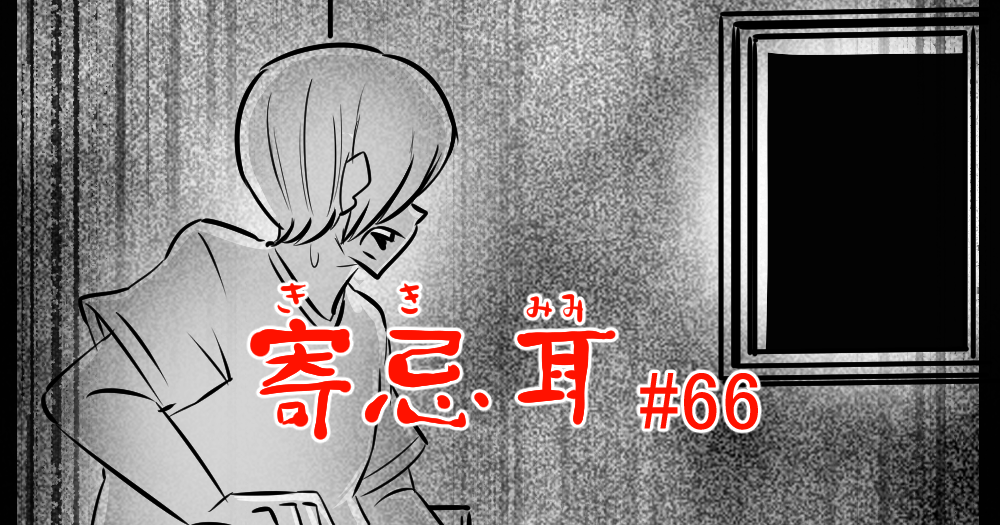
ロケットニュース読者の体験怪談 寄忌耳(キキミミ)第66話「夜笛」 — Rocket News has released Episode 66 of its reader-submitted horror series, titled “Night Flute.”
Alongside the episode, the site is currently 募集中 (boshūchū) — now accepting — short scary and mysterious stories from readers. If you’ve had a chilling 体験 (taiken, experience) or a strange 不思議 (fushigi, mysterious) moment in your life, they’re inviting you to share it.
Let’s take a closer look at what this announcement tells us — and what you can learn from the Japanese used in it.
What Is “寄忌耳(キキミミ)”?
The series title includes 第66話 (dai rokujū-roku wa), meaning “Episode 66.”
In Japanese, 第〜回 (dai~kai) and similar counters like 第〜話 (dai~wa) are used to number events, episodes, or installments. You’ll see this structure everywhere — from TV dramas to school competitions.
This particular installment is titled:
- 夜笛 (yobue) — “Night Flute”
The article also notes:
- 漫画:ザックKT-4 Manga: Zakku KT-4
This indicates that the episode is presented as a manga (comic), created by the artist Zack KT-4.
Navigation links such as:
- « 前の話へ (mae no hanashi e) — “To the previous story”
- 第1回から読む (dai ikkai kara yomu) — “Read from the first episode”
show how Japanese websites guide readers through serialized content.
Reader Submissions Now Open
One key line in the article reads:
あなたの体験した短い恐怖体験、不思議な体験を募集中!ご応募お待ちしております。
Let’s break that down.
- あなたの体験した (anata no taiken shita) — “that you experienced”
- 短い恐怖体験 (mijikai kyoufu taiken) — “short horror experience”
- 不思議な体験 (fushigi na taiken) — “mysterious experience”
- 募集中! (boshūchū!) — “Now accepting!”
- ご応募お待ちしております。 (go-ōbo omachi shite orimasu) — “We are waiting for your submission.”
In natural English:
“We are now accepting short horror or mysterious experiences that you have had. We look forward to your submissions.”
Notice the polite and formal tone — common in announcements and calls for entries in Japan.
The article also includes:
▼ショートホラー体験をリクエストボックスにて大募集! “We’re heavily recruiting short horror experiences in the request box!”
The word 大募集 (dai boshū) adds emphasis — “big recruitment” or “actively seeking.”
Cultural Context: Reader-Submitted Horror in Japan
Japan has a long tradition of sharing ghost stories, known as 怪談 (kaidan). During summer especially, people enjoy telling scary stories as a way to “cool down” — the chill of 恐怖 (kyoufu, fear) is said to make you feel physically cooler.
What’s interesting here is the participatory aspect. Rather than only publishing fictional horror, Rocket News invites readers to submit their own real-life 体験 (taiken). This blurs the line between fiction and reality — a common and powerful feature of Japanese horror culture.
The format encourages community storytelling, where everyday people become part of an ongoing series — now already at 第66話 (dai 66 wa).
Learn Japanese from This Article
Let’s turn this short announcement into a language lesson.
Vocabulary
| Japanese | Romaji | Meaning |
|---|---|---|
| 体験 | taiken | experience |
| 恐怖 | kyoufu | fear, terror |
| 不思議 | fushigi | mysterious, strange |
| 募集中 | boshūchū | now accepting (applications/submissions) |
| 応募 | ōbo | application, submission |
| 第〜回 | dai~kai | the ~th time/episode |
| 怪談 | kaidan | ghost story |
Grammar Spotlight 1: 〜した + Noun (Relative Clause)
In the sentence:
あなたの体験した短い恐怖体験
The phrase 体験した (taiken shita) modifies 恐怖体験 (kyoufu taiken).
Structure:
Verb (past tense) + noun
This means “the noun that (someone) did.”
Examples:
私が見た映画 (watashi ga mita eiga) “The movie I saw”
昨日行った店 (kinō itta mise) “The shop I went to yesterday”
彼が体験した話 (kare ga taiken shita hanashi) “The story he experienced”
This structure is extremely common in Japanese — and much more flexible than English relative clauses.
Grammar Spotlight 2: お/ご + 〜 + する (Polite/Humble Form)
In:
ご応募お待ちしております。
You see two honorific elements:
- ご応募 (go-ōbo) — “your submission” (polite prefix)
- お待ちしております (omachi shite orimasu) — humble form of “waiting”
Structure:
お/ご + noun + する/しております
This is common in business Japanese and announcements.
Other examples:
ご連絡ください。 (go-renraku kudasai) “Please contact us.”
お待ちしています。 (omachi shite imasu) “We are waiting.”
ご応募ありがとうございます。 (go-ōbo arigatō gozaimasu) “Thank you for your submission.”
If you want to master this kind of polite everyday Japanese, it’s essential to understand verb forms deeply.
Useful Expressions
第1回から読む (dai ikkai kara yomu) “Read from the first episode”
前の話へ (mae no hanashi e) “To the previous story”
大募集! (dai boshū!) “Now heavily recruiting!”
These are common on Japanese websites, especially for serialized content and community submissions.
Continue Learning
📚 Want to understand the verb forms used here? Check out Masu Form: Mastering Polite Everyday Speech.
📚 Curious about the Japanese used here? Our Greetings and Self-Introductions: Authentic Entry Phrases lesson covers this in depth.
📚 Want to learn more about lifestyle? Check out our lesson on Basic Vocabulary Building: Embracing Words Without Latin Ties.
Basic Vocabulary Building: Embracing Words Without Latin Ties
これからもよろしくお願いします。 Kore kara mo yoroshiku onegaishimasu.