
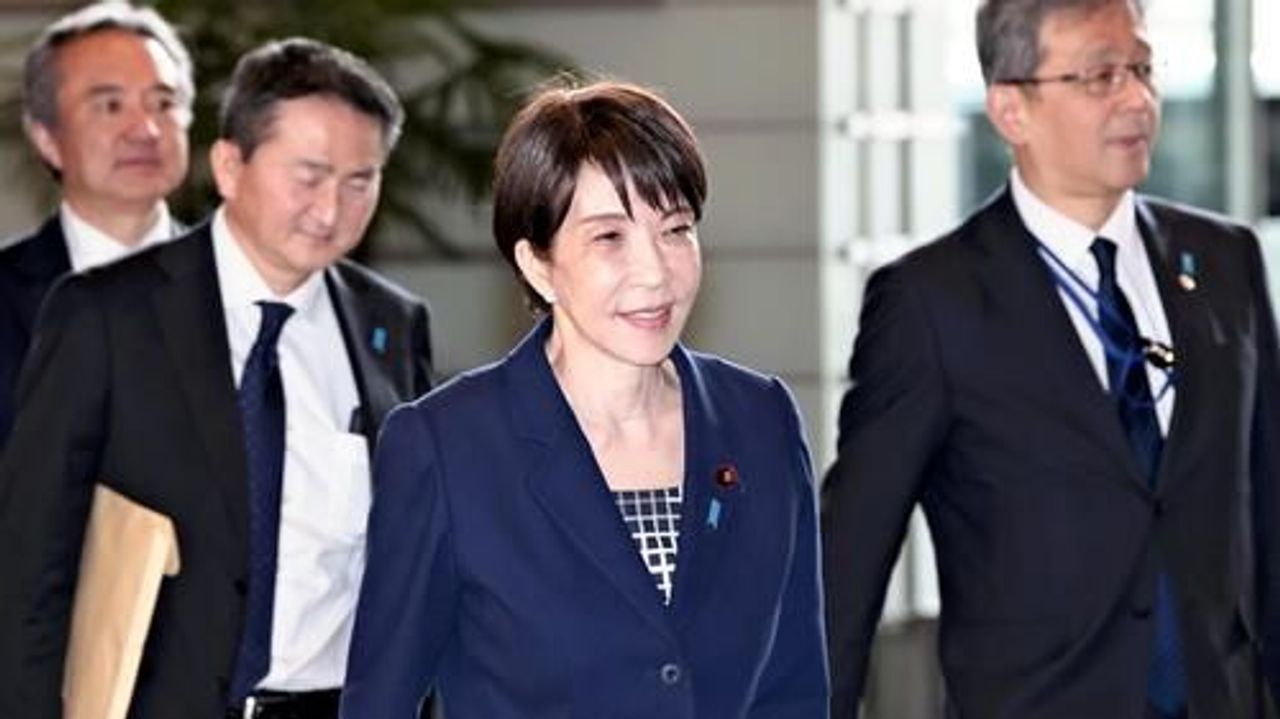
Prime Minister Takaichi has begun making arrangements to visit Vietnam and Australia from late April through May during Japan’s upcoming long holiday period. The trip aims to strengthen ties in security and economic fields, while advancing cooperation related to Japan’s “Free and Open Indo-Pacific” policy.
Planned Visits During Golden Week
According to the report, Prime Minister Takaichi is entering 調整に入った (chousei ni haitta)—that is, she has begun making official arrangements—to visit both Vietnam and Australia.
The timing is significant. The visit is expected to take place during Japan’s 大型連休 (oogata renkyuu), the extended holiday period from late April 〜にかけて May. This phrase, 4月末から5月にかけて (shigatsu matsu kara gogatsu ni kakete), means “from the end of April through May,” expressing a span of time that continues into the next month.
This holiday period is commonly known as “Golden Week,” when several national holidays occur close together. Although many Japanese people travel domestically during this time, it is also a practical window for international diplomacy.
Strengthening Bilateral Ties
The purpose of the trip is to enhance cooperation in areas such as:
- 安全保障 (anzen hoshou) — national security
- Economic collaboration
The article emphasizes strengthening 2国間関係 (nikokukan kankei), or bilateral relations, between Japan and the two countries.
In diplomatic Japanese, the word 掲げる (kakageru) is often used to describe policies a leader “sets forth” or “advocates.” Here, the prime minister has 掲げる a diplomatic vision known as the “Free and Open Indo-Pacific,” often abbreviated as FOIP.
The report states that she hopes to promote cooperation FOIPを巡る協力 (FOIP o meguru kyouryoku). The grammar pattern 〜を巡る means “regarding” or “surrounding” a particular issue. So this phrase means “cooperation surrounding (or concerning) FOIP.”
Watching the Situation in the Middle East
However, the visit is not yet final.
The article notes that the government will 見極めて最終判断する (mikiwamete saishuu handan suru)—carefully assess and then make a final decision—based on the increasingly tense situation in the Middle East.
The word 緊迫する (kinpaku suru) describes a situation that becomes tense or strained. Diplomatic travel often depends on global stability, and Japanese leaders frequently use cautious language like 見極める to signal careful judgment.
Cultural Context: Japan’s Diplomatic Language
Japanese political reporting often uses formal, indirect expressions. For example:
- 調整に入る suggests the plan is serious but not yet finalized.
- 見極める implies measured, cautious decision-making.
- 掲げる reflects a public commitment to a guiding principle.
This kind of wording is common in Japanese news and gives subtle clues about how firm—or flexible—a political plan may be.
Understanding these expressions helps you read Japanese news the way it’s written in Japan, rather than relying only on simplified textbook phrases.
Learn Japanese from This Article
Key Vocabulary
| Japanese | Romaji | Meaning |
|---|---|---|
| 大型連休 | oogata renkyuu | long holiday period |
| 調整に入る | chousei ni hairu | to begin making arrangements |
| 安全保障 | anzen hoshou | national security |
| 2国間関係 | nikokukan kankei | bilateral relations |
| 掲げる | kakageru | to advocate; to set forth (a policy) |
| 緊迫する | kinpaku suru | to become tense |
| 見極める | mikiwameru | to carefully assess; to determine |
Try reading these words aloud. Many are common in political and economic news, so you’ll encounter them again and again.
Grammar Spotlight
1️⃣ 〜にかけて
Meaning: from (time/place) to; spanning
Structure: Noun + にかけて
Example from the article: 4月末から5月にかけて訪問する。 Shigatsu matsu kara gogatsu ni kakete houmon suru. “She will visit from late April through May.”
More examples:
- 月曜日から水曜日にかけて雨が降った。 Getsuyoubi kara suiyoubi ni kakete ame ga futta. “It rained from Monday through Wednesday.”
This pattern emphasizes a continuous stretch of time.
2️⃣ 〜を巡る
Meaning: regarding; surrounding (an issue)
Structure: Noun + を巡る
Example from the article: FOIPを巡る協力を推進する。 FOIP o meguru kyouryoku o suishin suru. “To promote cooperation regarding FOIP.”
More example:
- 環境問題を巡る議論が続いている。 Kankyou mondai o meguru giron ga tsuzuite iru. “Debates surrounding environmental issues are continuing.”
This pattern is especially common in news reports and formal writing.
Useful Expressions for News Reading
- 最終判断する (saishuu handan suru) — to make a final decision
- 〜の方向で調整する (~ no houkou de chousei suru) — to make arrangements in the direction of ~ (planning toward ~)
These are classic phrases in Japanese political reporting.
Continue Learning
- To understand more about general news language, explore our Reading and Writing in Japanese II: Hiragana and Katakana lesson.
- Working on your reading skills? Our Introduction to Kanji: Pictorial Foundations of Japanese Script lesson is a great next step.
- Want to learn more about general vocabulary? Check out our lesson on Basic Vocabulary Building: Embracing Words Without Latin Ties.
By reading real news like this, you’re training your eye to recognize authentic political vocabulary and grammar exactly as it appears in Japan.
これからもよろしくお願いします。 Kore kara mo yoroshiku onegaishimasu.