
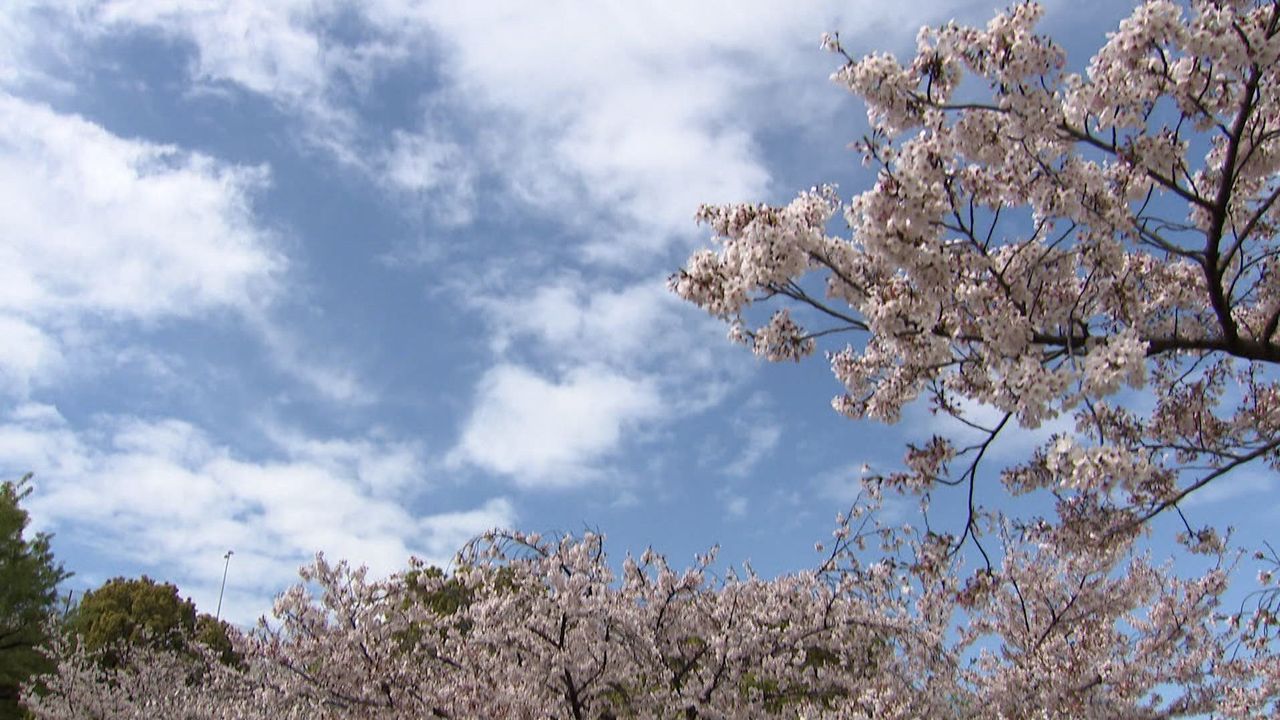
A powerful spring storm is expected to sweep across Japan this weekend, with the possibility of typhoon-level winds in some areas. Officials are already expressing concern about potential disruptions to transportation systems.
A Nationwide Spring Storm Forecast
According to the report, the 週末 (shuumatsu)—the weekend—will bring a 全国的に (zenkokuteki ni) spring storm. The word 見込み (mikomi), meaning “forecast” or “outlook,” is used to describe the expectation that stormy weather will affect the country.
In Japanese, the phrase 春の嵐となる見込みだ (haru no arashi to naru mikomi da) means “it is expected to become a spring storm.” This tells us that meteorologists anticipate significant weather changes rather than just light seasonal rain.
Typhoon-Level Winds Possible
More striking is the warning that, in some places, winds may reach 台風並み (taifuu nami) levels—literally “on the level of a typhoon.” The report mentions the risk of 暴風 (boufuu), meaning violent winds or gales.
The phrase おそれもあり comes from おそれ (osore), meaning “fear” or “risk.” In news language, this word is often used to signal possible danger. So when the article says 台風並みの暴風が吹くおそれもあり, it means “there is a risk that typhoon-level violent winds may blow.”
Because of this, there are concerns about impacts on 交通機関 (koutsuu kikan), or transportation systems. In Japan, this typically includes trains, buses, and domestic flights—services that millions rely on daily.
Cultural Context: Spring Storms in Japan
Spring in Japan is often associated with cherry blossoms and mild weather. However, it is also a season of dramatic weather shifts. Strong low-pressure systems can create intense wind and rain, sometimes comparable to a typhoon, even though it’s not officially typhoon season.
Transportation disruptions are taken very seriously in Japan. Train delays or cancellations can affect commuters, students, and businesses nationwide. That’s why even the possibility—the おそれ (osore)—of severe winds becomes headline news.
Learn Japanese from This Article
Let’s break down the key vocabulary and grammar used in this report.
Key Vocabulary
| Japanese | Romaji | Meaning |
|---|---|---|
| 週末 | shuumatsu | weekend |
| 全国的に | zenkokuteki ni | nationwide; across the country |
| 見込み | mikomi | expectation; forecast; outlook |
| 台風並み | taifuu nami | on the level of a typhoon |
| 暴風 | boufuu | violent wind; gale |
| おそれ | osore | fear; risk; possibility (negative) |
| 交通機関 | koutsuu kikan | transportation systems; public transport |
Grammar Spotlight
1. 〜見込みだ
Meaning: It is expected that… / There is a forecast that…
Structure: Verb (dictionary form) + 見込みだ
Example from the article:
- 春の嵐となる見込みだ。 Haru no arashi to naru mikomi da. It is expected to become a spring storm.
More examples:
雨が降る見込みだ。 Ame ga furu mikomi da. It is expected to rain.
電車が遅れる見込みだ。 Densha ga okureru mikomi da. The train is expected to be delayed.
This structure is very common in weather forecasts and formal news reports.
2. 〜おそれがある
Meaning: There is a risk that… / There is a possibility (usually negative) that…
Structure: Verb (dictionary form) + おそれがある
Example inspired by the article:
- 台風並みの暴風が吹くおそれがある。 Taifuu nami no boufuu ga fuku osore ga aru. There is a risk that typhoon-level winds will blow.
More examples:
- 交通機関に影響が出るおそれがある。 Koutsuu kikan ni eikyou ga deru osore ga aru. There is a risk of impact on transportation systems.
This expression is frequently used in safety warnings, disaster reports, and official announcements.
Useful Expression
- 影響が心配される Eikyou ga shinpai sareru “There are concerns about the impact.”
This passive-style expression is common in Japanese news writing and sounds more formal than simply saying “people are worried.”
Continue Learning
Ready to strengthen your reading skills?
- Reading and Writing in Japanese II: Hiragana and Katakana: Ready to dive deeper? Our lesson on Reading and Writing in Japanese II: Hiragana and Katakana will help you master these concepts.
- Introduction to Kanji: Pictorial Foundations of Japanese Script: Working on your reading skills? Our Introduction to Kanji: Pictorial Foundations of Japanese Script lesson is a great next step.
- Basic Vocabulary Building: Embracing Words Without Latin Ties: Ready to dive deeper? Our lesson on Basic Vocabulary Building: Embracing Words Without Latin Ties will help you master these concepts.
Weather reports are a fantastic way to build practical vocabulary—the kind Japanese people use every day. Keep reading real news like this, and you’ll start to recognize these patterns naturally.
これからもよろしくお願いします。 Kore kara mo yoroshiku onegaishimasu.