
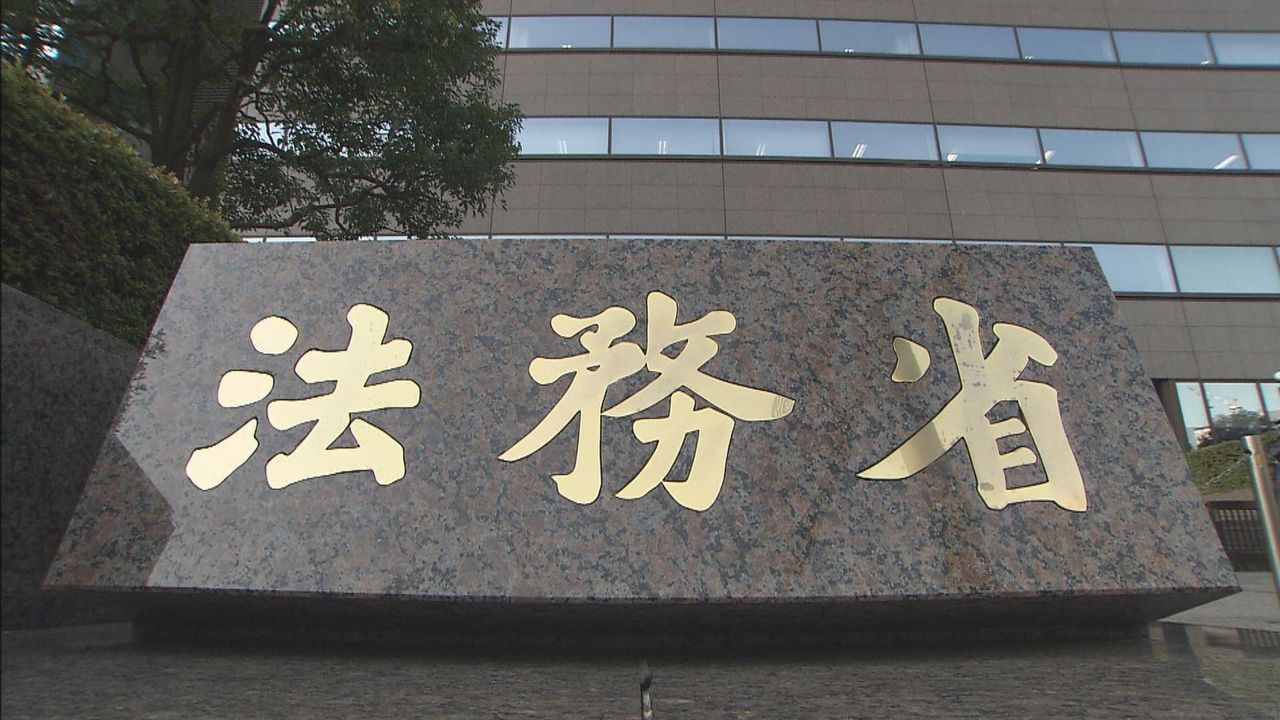
On March 27, 2001, it was reported that Japan’s Ministry of Justice had decided to tighten the requirements for foreign nationals seeking Japanese citizenship. Starting in April, applicants would, in principle, be required to have lived in Japan for more than 10 years.
Japan to Tighten Naturalization Requirements
The topic at hand is 帰化 (kika) — naturalization, the process by which a 外国人 (gaikokujin), or foreign national, obtains 日本国籍 (nihon kokuseki), Japanese citizenship.
According to the 法務省 (hōmushō), Japan’s Ministry of Justice, the 要件 (yōken), or requirements, for naturalization will be 厳格化する (genkakuka suru), meaning they will be made stricter.
Specifically, from April onward, applicants will, as a general rule, need more than 10 years of 在留 (zairyū), or residence in Japan. In other words, a long-term stay in the country will become a central condition for acquiring citizenship.
Understanding the Key Terms
Two important expressions appear in the original Japanese announcement:
- 帰化について (kika ni tsuite) — “about naturalization” or “regarding naturalization”
- 原則として10年以上の在留を求めることになります (gensoku to shite jū-nen ijō no zairyū o motomeru koto ni narimasu) — “it will come to require more than 10 years of residence as a general rule”
Let’s break these down.
〜について (ni tsuite) — “about; regarding”
This pattern is used constantly in news reports and formal writing.
Pattern: > Noun + について
Examples:
日本国籍について説明します。 Nihon kokuseki ni tsuite setsumei shimasu. I will explain about Japanese citizenship.
帰化についてのニュースです。 Kika ni tsuite no nyūsu desu. This is news about naturalization.
In official announcements, you’ll often see phrases like 〜について、法務省は… — “Regarding ~, the Ministry of Justice…”
〜ことになる (koto ni naru) — “it has been decided that; it will come to…”
This grammar pattern is extremely common in Japanese news.
Pattern: > Verb (dictionary form) + ことになる
It often expresses an official decision or a result that has been determined.
Example from this article:
- 原則として10年以上の在留を求めることになります。 Gensoku to shite jū-nen ijō no zairyū o motomeru koto ni narimasu. It will come to require more than 10 years of residence as a general rule.
More examples:
来月から制度が変わることになります。 Raigetsu kara seido ga kawaru koto ni narimasu. The system will change starting next month.
新しい要件を設けることになりました。 Atarashii yōken o mōkeru koto ni narimashita. It has been decided to establish new requirements.
Notice how this phrasing sounds less direct than “We decided.” In Japanese official language, this softer, more indirect style is common.
Cultural Context: Citizenship and Long-Term Residence
The article focuses only on one point: strengthening the residence requirement for naturalization.
In Japan, 帰化 (kika) is the legal pathway for a foreign national to become a Japanese citizen. The mention of 原則として (gensoku to shite), meaning “as a general rule,” suggests that this 10-year requirement applies broadly, though the article does not provide further details.
What’s important here linguistically is how formal government decisions are presented:
- The responsible body is named: 法務省
- The policy change is described using neutral, official language
- The decision is framed with ことになる, emphasizing the outcome rather than the decision-maker
By reading news like this, you’re not just learning vocabulary — you’re learning how Japanese institutions communicate policy.
Learn Japanese from This Article
Key Vocabulary
| Japanese | Romaji | Meaning |
|---|---|---|
| 外国人 | gaikokujin | foreigner; foreign national |
| 日本国籍 | nihon kokuseki | Japanese nationality; citizenship |
| 帰化 | kika | naturalization |
| 法務省 | hōmushō | Ministry of Justice |
| 要件 | yōken | requirement; condition |
| 厳格化する | genkakuka suru | to make stricter |
| 在留 | zairyū | residence; stay (in a country) |
Try reading the original sentence structure:
外国人が日本国籍を取得する「帰化」について、法務省は4月から要件を厳格化することを決めました。 Gaikokujin ga nihon kokuseki o shutoku suru “kika” ni tsuite, hōmushō wa shigatsu kara yōken o genkakuka suru koto o kimemashita. Regarding naturalization, by which foreign nationals obtain Japanese citizenship, the Ministry of Justice decided to make the requirements stricter starting in April.
Reading long sentences like this trains you to spot particles such as が, を, and について, which show the relationships between ideas.
Useful Expressions
- 〜を取得する (~ o shutoku suru) — to obtain ~
- 原則として (gensoku to shite) — as a general rule
- 〜を求める (~ o motomeru) — to require; to demand
These are all common in legal, academic, and news contexts.
Continue Learning
Ready to strengthen your reading skills so you can tackle more articles like this?
- Reading and Writing in Japanese II: Hiragana and Katakana: Ready to dive deeper? Our lesson on Reading and Writing in Japanese II: Hiragana and Katakana will help you master these concepts.
- Introduction to Kanji: Pictorial Foundations of Japanese Script: Working on your reading skills? Our Introduction to Kanji: Pictorial Foundations of Japanese Script lesson is a great next step.
- Basic Vocabulary Building: Embracing Words Without Latin Ties: Ready to dive deeper? Our lesson on Basic Vocabulary Building: Embracing Words Without Latin Ties will help you master these concepts.
By studying real news like this, you’re seeing Japanese the way it’s actually used in formal communication — structured, precise, and rich with nuance.
これからもよろしくお願いします。 Kore kara mo yoroshiku onegaishimasu.