
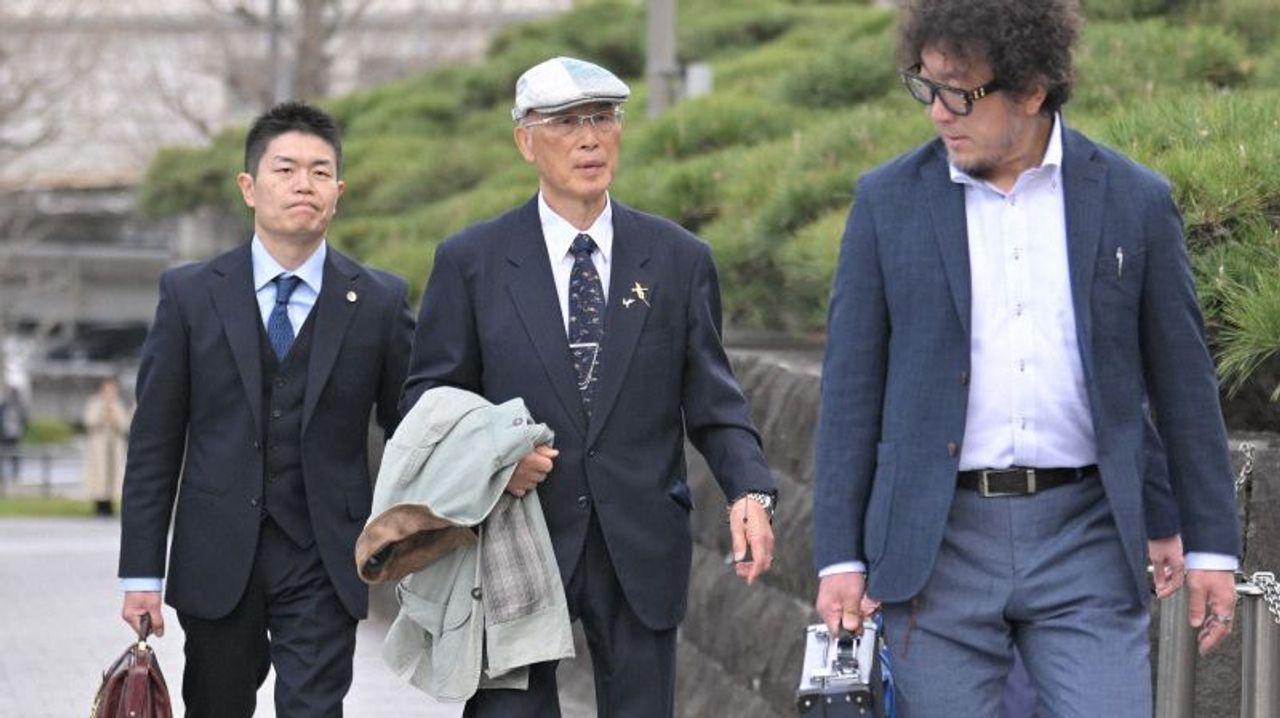
On March 27, Japan’s Supreme Court ruled that Hokkaido authorities acted illegally when they revoked a hunter’s gun permit after he shot and killed a brown bear.
The case began in Sunagawa City, Hokkaido, where a hunter used a 猟銃 (ryōjū, hunting rifle) to carry out the 駆除 (kujo, extermination) of a brown bear. Authorities claimed the shot was fired in a dangerous direction toward private homes and, 「民家に向けた危険な発砲」として (minka ni muketa kiken na happō to shite, “as dangerous gunfire aimed toward residences”), revoked his 所持許可 (shoji kyoka, possession permit).
The hunter filed a lawsuit against the prefectural government, seeking to have the disciplinary action withdrawn. The case eventually reached the 上告審 (jōkoku-shin, final appeal) before the Supreme Court’s Third Petty Bench.
Supreme Court Overturns Lower Court Ruling
Presiding Judge Hayashi Michiharu and the Third Petty Bench delivered their decision on March 27. The court ruled that the prefecture’s action was 違法 (ihō, illegal) and recognized the hunter’s right to possess his hunting rifle.
In doing so, the Supreme Court 破棄した (haki shita, overturned) the lower court’s second-instance ruling, which had previously upheld the prefecture’s decision as lawful. With this ruling, the hunter’s reversal victory was finalized.
Why This Case Matters
Although the article focuses strictly on the legal outcome, the context is important. Hokkaido is known for its population of brown bears (ヒグマ, higuma), and wildlife control is a serious matter. Hunters are sometimes called upon to eliminate dangerous animals.
At the same time, Japan has strict gun control laws. Civilian ownership of firearms requires a 所持許可 (shoji kyoka), and authorities can 取り消す (torikesu, revoke) that permit if safety regulations are violated. This case highlights the balance between public safety and the legal rights of licensed hunters.
The key legal question was whether the prefecture was justified in treating the shot as dangerous gunfire toward homes. The Supreme Court ultimately decided that the revocation of the permit was unlawful.
Learn Japanese from This Article
Let’s break down some of the most useful vocabulary and grammar from this case.
Key Vocabulary
| Japanese | Romaji | Meaning |
|---|---|---|
| 猟銃 | ryōjū | hunting rifle |
| 駆除 | kujo | extermination (of pests or wild animals) |
| 所持許可 | shoji kyoka | possession permit |
| 取り消す | torikesu | to revoke; to cancel |
| 上告審 | jōkoku-shin | final appeal (Supreme Court level) |
| 違法 | ihō | illegal; unlawful |
| 破棄する | haki suru | to overturn; to annul (a judgment) |
| 処分 | shobun | disciplinary action; administrative measure |
Notice how many of these words are common in legal news. If you follow Japanese current events, you’ll see them often.
Grammar Spotlight 1: 〜として (as; in the role of; on the grounds of)
In the article, authorities described the shot:
- 「民家に向けた危険な発砲」として minka ni muketa kiken na happō to shite “As dangerous gunfire aimed toward residences”
Here, 〜として is used to indicate the basis or grounds on which something is judged.
Another example:
- 違法として判断した。 ihō to shite handan shita. (They) judged it as illegal.
You can use 〜として when explaining roles, positions, or reasoning.
Grammar Spotlight 2: 〜を求める (to seek; to request)
The hunter:
- 処分の撤回を求めた。 shobun no tekkai o motometa. He sought the withdrawal of the disciplinary action.
The pattern is:
Noun + を求める
Examples:
説明を求める。 setsumei o motomeru. To seek an explanation.
支援を求める。 shien o motomeru. To request support.
This expression appears frequently in news reports about lawsuits and government decisions.
Useful Legal Expression
- 逆転勝訴 (gyakuten shōso) — a reversal victory
This term describes a situation where someone loses in a lower court but wins after appeal. It’s a powerful word to know if you follow Japanese legal news.
Continue Learning
Want to strengthen your reading skills so you can tackle real Japanese news like this on your own?
- Reading and Writing in Japanese II: Hiragana and Katakana: Want to learn more about general? Check out our lesson on Reading and Writing in Japanese II: Hiragana and Katakana.
- Introduction to Kanji: Pictorial Foundations of Japanese Script: Working on your reading skills? Our Introduction to Kanji: Pictorial Foundations of Japanese Script lesson is a great next step.
- Basic Vocabulary Building: Embracing Words Without Latin Ties: Curious about the Japanese used here? Our Basic Vocabulary Building: Embracing Words Without Latin Ties lesson covers this in depth.
By reading real legal cases like this, you’re not just learning vocabulary—you’re learning how Japanese law, society, and language intersect in authentic contexts.
これからもよろしくお願いします。 Kore kara mo yoroshiku onegaishimasu.