
SEO Title: Eating Gyūdon in Front of Cows? A Unique Ranch Meal in Kanagawa Meta Description: At Kashiwagi Ranch in Kanagawa, you can eat an exquisite gyūdon right in front of a cowshed. Discover this meaningful farm-to-table experience.
A bowl of gyūdon eaten in front of a cowshed—this is the unexpectedly moving experience waiting near the Tōmei Atsugi Interchange in Kanagawa.
Rocket News recently visited a place where you can enjoy an exceptionally delicious bowl of beef over rice right at a 牧場 (bokujō, ranch). The spot? 柏木牧場 (Kashiwagi Bokujō). And yes—there are real cows just steps away.
A Gyūdon You Can Only Taste Here
The idea sounds almost surreal. In front of you stands a 牛舎 (gyūsha, cowshed). Behind you, a busy counter serving freshly made meals. This unusual setting somehow makes the food taste even better.
The ranch is especially lively at lunchtime, with the place in 大賑わい (ōnigiwai, bustling and crowded). Besides gyūdon, they also offer curry and menchi-don (a rice bowl topped with a breaded meat cutlet).
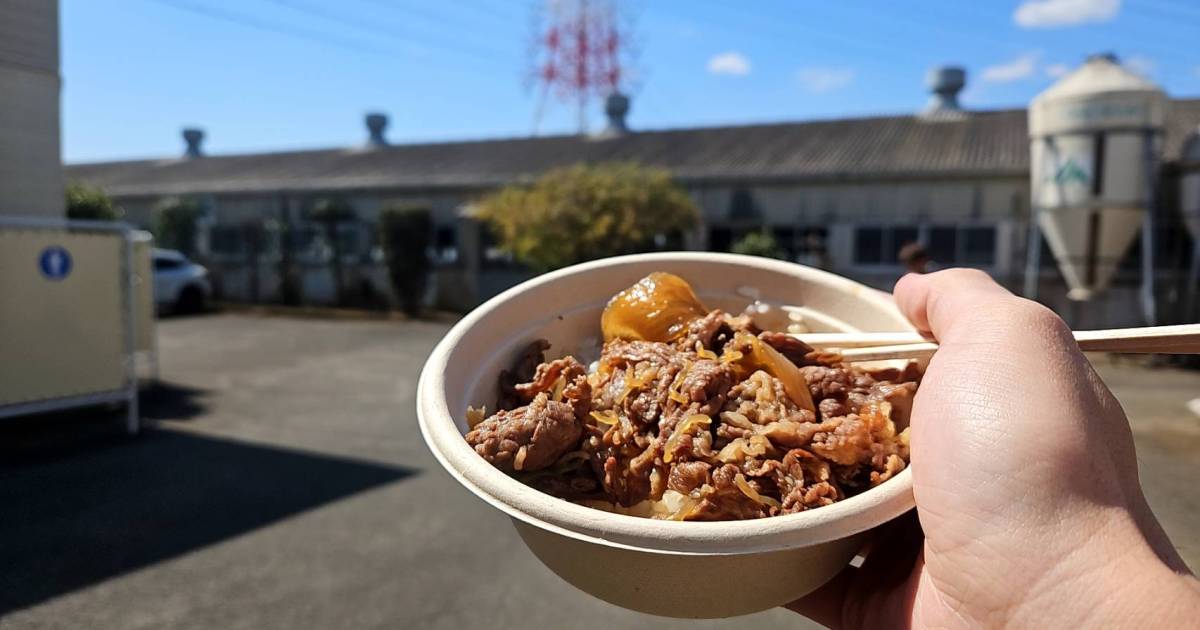
But the star of the show is the 特選牛丼(税込500円)—a “special selection” gyūdon for just 500 yen.
It smells incredible. The bowl is generously piled high with beef. When the writer tried it—食べてみる (tabete miru, to try eating it)—the verdict was immediate: unbelievably good. The beef was tender, flavorful, and deeply satisfying. Truly an 絶品 (zeppin, superb dish).
Yet what made it unforgettable wasn’t just the taste.
Eating gyūdon while standing in front of cows naturally brings up a deeper awareness: we are receiving life when we eat. The writer reflects on how this bowl felt meaningful—something you can only fully experience in this location. It’s not just lunch. It’s a moment of gratitude.
Fresh Meat and Dairy on the Premises
Within the ranch grounds—敷地内 (shikichinai, within the premises)—there’s also a spacious, open shop.
Inside, you’ll find homemade dairy products and rows upon rows of fresh meat. The prices are surprisingly reasonable. They sell their own beef as well as locally produced Yamayuri beef from Kanagawa, all in fresh condition.
On weekends only, they offer homemade roast beef (535 yen per 100g). The writer tried it and described it as incredibly flavorful, with rich umami that spreads with every bite. If you decide to 足を運ぶ (ashi o hakobu, make the trip) on a weekend, this is something to look for.
They also recommend:
- Homemade beef menchi katsu (250 yen), described as unbelievably juicy
- Drinkable yogurt (167 yen), rich and milky
The Perfect Ending: Soft Serve Ice Cream
No Japanese ranch visit is complete without soft serve ice cream.
Here, the “Fresh Milk” soft serve (350 yen) is thick and rich, yet leaves a refreshingly clean aftertaste. The writer says it was so good it disappeared in seconds.
As the weather warms up, this ranch becomes an even more appealing destination. However, many items 売り切れる (urikire ru, sell out) by early afternoon on holidays—so visiting in the morning is recommended.
Shop Information
柏木牧場 (Kashiwagi Ranch) Address: 11 Koina, Isehara City, Kanagawa Hours: 9:00–17:00 Closed: Wednesdays
Cultural Context: Why This Experience Feels Different
Gyūdon is one of Japan’s most familiar everyday meals. It’s cheap, quick, and comforting—something many people eat without a second thought.
But eating it at a working ranch changes the emotional context. Japan places strong cultural emphasis on gratitude for food, expressed before meals with いただきます (itadakimasu), meaning “I humbly receive.” This phrase reflects appreciation not only for the cook, but for the life that made the meal possible.
At Kashiwagi Ranch, that awareness becomes very real. You’re not separated from the source. The environment itself becomes, as the article suggests, a kind of “spice” that enhances the flavor.
Learn Japanese from This Article
Key Vocabulary
| Japanese | Romaji | Meaning |
|---|---|---|
| 牧場 | bokujō | ranch, livestock farm |
| 牛舎 | gyūsha | cowshed, barn |
| 絶品 | zeppin | superb, exquisite (food) |
| 大賑わい | ōnigiwai | bustling, very crowded |
| 敷地内 | shikichinai | within the premises |
| 売り切れる | urikire ru | to be sold out |
| 足を運ぶ | ashi o hakobu | to go visit, to make a trip |
Grammar Spotlight
1. 〜てみる (to try doing something)
Pattern: Verb (て-form) + みる
Used when you try something to see how it is.
Example from the article: 食べてみると、超美味い。 Tabete miru to, chō umai. “When I tried eating it, it was incredibly delicious.”
More examples:
行ってみたいです。 Itte mitai desu. “I want to try going.”
作ってみました。 Tsukutte mimashita. “I tried making it.”
2. 〜ことができる (can do / be able to do)
Pattern: Verb (dictionary form) + ことができる
Used to express ability.
美味しく食べることができる。 Oishiku taberu koto ga dekiru. “You can eat it deliciously.”
ここでしか味わうことができない。 Koko de shika ajiwau koto ga dekinai. “You can only experience it here.”
This structure is extremely common in written Japanese, especially in articles and advertisements.
Useful Expressions
- いただきます (itadakimasu) — Said before eating, expressing gratitude.
- 〜でしか (~ de shika) — “Only at ~”
- 暖かくなってきたこの時期 (atatakaku natte kita kono jiki) — “This time of year as it’s getting warmer”
Continue Learning
Ready to dive deeper? Our lesson on Time and Dates: Tense-Free Expressions will help you master these concepts.
A simple bowl of gyūdon becomes something unforgettable when you change the setting. At Kashiwagi Ranch, food isn’t just something you eat—it’s something you reflect on.
これからもよろしくお願いします。 Kore kara mo yoroshiku onegaishimasu.