
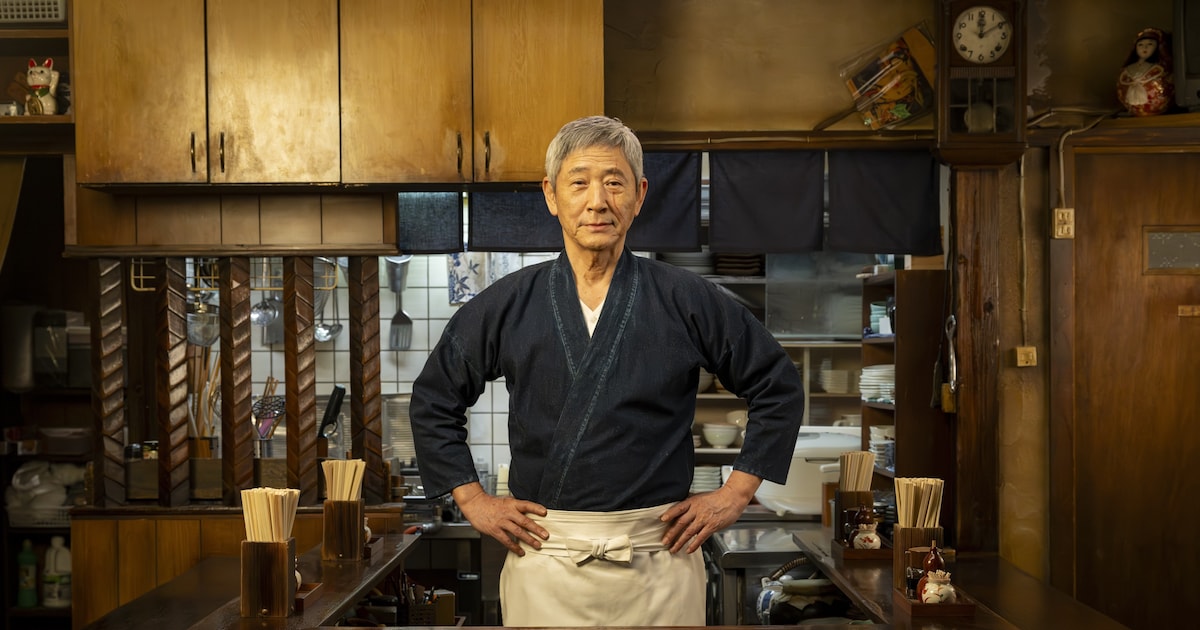
On March 17, 2026, it was announced that the beloved drama 「深夜食堂」 (Shinya Shokudō, “Midnight Diner”) will return with a brand-new series for the first time in seven years. The new installment is set to air in fall 2026, and filming is already underway.
Even better for longtime fans: actor Kaoru Kobayashi will be 続投 (zokutō)—continuing in his role as the quiet, steady “Master” of the small late-night diner.
A New Season, Seven Years Later
The production of the new series has officially been confirmed—制作決定 (seisaku kettei). According to the announcement, the show is currently 撮影中 (satsueichū), meaning it’s actively filming in preparation for its fall 2026 broadcast.
The original drama, based on the manga by Yarō Abe, first aired in 2009. It eventually ran for five seasons. In addition, two films were released, and the series was even remade in China and South Korea—proof of its international appeal.
Kobayashi shared a warm and slightly humorous comment about the revival. He noted that it has been seven years since the last series, and that during that time, even the regular cast members have gotten “a little older (laugh).” He joked that the Master’s hair seems whiter than before.
Still, he made one thing clear: being able to restart the series is a joy.
再開が嬉しくない訳がありません。 Saikai ga ureshikunai wake ga arimasen. “There is no way I wouldn’t be happy about the restart.”
He added that he has heard many voices eagerly 待ち望む (machinozomu) the new season, and he’s excited to deliver an even more powerful version of the show.
He closed with a line that perfectly matches the spirit of the series:
深夜食堂、皆さんのご来店をお待ちしております。 Shinya Shokudō, minasān no goraiten o omachi shite orimasu. “Midnight Diner awaits your visit.”
What Is “Midnight Diner” About?
「深夜食堂」 tells the story of a small diner that operates from midnight until dawn. The customers who drop by during those late hours each bring their own personal struggles, joys, and secrets. Through simple dishes and quiet conversations, their lives intertwine and unfold.
The official description says the customers 織りなす (orināsu) human dramas. This verb literally means “to weave together,” like threads in fabric. In Japanese storytelling, it’s often used metaphorically to describe multiple lives or events blending into a larger narrative.
Rather than flashy plot twists, the series is known for its calm atmosphere, emotional depth, and focus on everyday people. Food plays a central role—not as gourmet spectacle, but as comfort and connection.
Cultural Context: The Late-Night Diner
The idea of a small eatery open from midnight to early morning reflects a real part of Japanese urban life. In big cities especially, there are bars and small restaurants that stay open late, serving workers finishing night shifts, creatives, or people who simply can’t sleep.
The Master character embodies a certain Japanese archetype: quiet, observant, and kind without being intrusive. He listens more than he speaks. In many ways, he represents a safe space—something deeply valued in Japanese society.
The fact that fans reacted online with comments like:
嬉し過ぎる… Ureshi sugiru… “I’m too happy…” / “This makes me insanely happy…”
shows just how emotionally connected viewers feel to the series.
Learn Japanese from This Article
Let’s break down some key words and grammar you can start using right away.
Key Vocabulary
| Japanese | Romaji | Meaning |
|---|---|---|
| 続投 | zokutō | continuing in the same role |
| 制作決定 | seisaku kettei | production officially confirmed |
| 撮影中 | satsueichū | currently filming |
| 織りなす | orināsu | to weave together (stories, events) |
| 待ち望む | machinozomu | to eagerly await |
| ご来店をお待ちしております | goraiten o omachi shite orimasu | We look forward to your visit (very polite) |
| 嬉し過ぎる | ureshi sugiru | too happy / overwhelmingly happy |
Notice how many of these are compound kanji words. If you're building your reading skills, recognizing patterns like 制作 (production) + 決定 (decision) can dramatically speed up comprehension.
Grammar Spotlight 1: 〜に向けて (toward; in preparation for)
In the article:
2026年秋の放送に向けて、撮影中である。 2026-nen aki no hōsō ni mukete, satsueichū de aru. “Filming is underway toward a fall 2026 broadcast.”
Pattern: Noun + に向けて
It means “toward” or “with the aim of.”
Examples:
試験に向けて勉強する。 Shiken ni mukete benkyō suru. “I study toward the exam.”
大会に向けて練習しています。 Taikai ni mukete renshū shite imasu. “We’re practicing for the tournament.”
Grammar Spotlight 2: 〜訳がない (there’s no way…)
From Kobayashi’s comment:
嬉しくない訳がありません。 Ureshikunai wake ga arimasen. “There is no way I wouldn’t be happy.”
Pattern: Verb / い-adjective (plain form) + 訳がない
It expresses strong certainty that something is impossible or untrue.
Examples:
そんなことある訳がない。 Sonna koto aru wake ga nai. “There’s no way that’s true.”
彼が忘れる訳がない。 Kare ga wasureru wake ga nai. “There’s no way he would forget.”
This is a powerful structure for expressing conviction in Japanese.
Useful Expression: Polite Customer Language
ご来店をお待ちしております Goraiten o omachi shite orimasu
This is ultra-polite business Japanese. You’ll hear similar phrases in restaurants, hotels, and stores. Even if you don’t use it yourself, recognizing it will help you understand real-world Japanese.
Continue Learning
📚 Working on your reading skills? Our Katakana Essentials: Adapting Global Words to Japanese lesson is a great next step.
📚 Working on your reading skills? Our Introduction to Kanji: Pictorial Foundations of Japanese Script lesson is a great next step.
Introduction to Kanji: Pictorial Foundations of Japanese Script
📚 Want to learn more about entertainment? Check out our lesson on Basic Vocabulary Building: Embracing Words Without Latin Ties.
Basic Vocabulary Building: Embracing Words Without Latin Ties
これからもよろしくお願いします。 Kore kara mo yoroshiku onegaishimasu.