
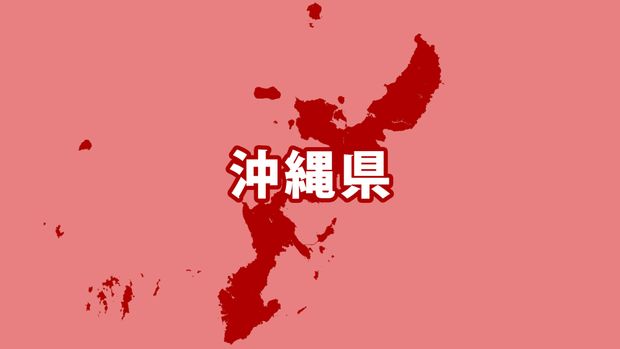
On the morning of March 16, two small boats carrying high school students on a school trip capsized offshore of Camp Schwab in Nago City, Okinawa. Twenty-one people were rescued, but the deaths of a female high school student and the boat’s captain were later confirmed.
What Happened Offshore in Okinawa
According to the 海上保安庁 (Kaijou Hoanchou, Japan Coast Guard), a report was received shortly after 10 a.m. stating that two vessels, the Heiwamaru and the Fukutsu, had capsized.
In Japanese, capsizing is expressed as 転覆 (tenpuku), a word commonly used in news reports involving boats or ships. The incident occurred 沖合 (okiai), meaning offshore or out at sea, near Camp Schwab in Henoko, Nago City.
The boats were carrying students from Doshisha International High School in Kyoto Prefecture. They were on a 修学旅行 (shuugaku ryokou), a school excursion that is an important part of Japanese education. When the two small boats overturned, a total of 21 people were thrown into the sea.
All 21 were 救助 (kyuujo, rescued). However, authorities later announced that the deaths of a female student and the captain had been confirmed. In formal Japanese news language, this is expressed as:
死亡が確認されました (shibou ga kakunin saremashita) “Death was confirmed.”
This phrasing avoids directly stating “they died” and instead focuses on the official confirmation, which reflects the careful and formal tone typical of Japanese reporting.
The Location: Henoko and Ongoing Construction
The accident occurred offshore of Henoko in Nago City. This area is known for ongoing 埋め立て工事 (umetate kouji), land reclamation construction, related to the relocation of the U.S. Marine Corps Air Station Futenma.
In the article, this is described using the passive form:
埋め立て工事が行われる名護市辺野古沖 umetate kouji ga okonawareru Nago-shi Henoko okiai “Offshore of Henoko, Nago City, where land reclamation construction is carried out.”
The phrase 〜が行われる (~ga okonawareru) is a formal passive expression often used in news writing to describe events or activities that “are carried out.”
Cultural Context: The Meaning of 修学旅行
The term 修学旅行 (shuugaku ryokou) refers to a multi-day school trip, usually taken in junior high or high school. These trips often combine sightseeing, historical learning, and group activities. For many Japanese students, it is one of the most memorable experiences of their school years.
Destinations often include culturally or historically significant places such as Kyoto, Hiroshima, or Okinawa. Okinawa, in particular, is frequently chosen because of its unique history and its role in World War II, making it an important site for peace education.
Understanding this background helps you grasp why this event has a strong emotional impact in Japan: it involved students during an important educational milestone.
Learn Japanese from This Article
Key Vocabulary
| Japanese | Romaji | Meaning |
|---|---|---|
| 転覆 | tenpuku | capsizing, overturning (of a boat) |
| 修学旅行 | shuugaku ryokou | school excursion, educational trip |
| 沖合 | okiai | offshore, open sea |
| 救助 | kyuujo | rescue, aid |
| 死亡が確認されました | shibou ga kakunin saremashita | death was confirmed |
| 海上保安庁 | Kaijou Hoanchou | Japan Coast Guard |
| 埋め立て工事 | umetate kouji | land reclamation construction |
Working on your reading skills? Our Introduction to Kanji: Pictorial Foundations of Japanese Script lesson is a great next step.
Grammar Spotlight 1: 〜によりますと (According to…)
Pattern: [Source] によりますと、〜
This formal expression is frequently used in news reports to cite information.
Example from this article:
海上保安庁によりますと、通報がありました。 Kaijou Hoanchou ni yorimasu to, tsuuhou ga arimashita. “According to the Japan Coast Guard, a report was received.”
Notice the polite form よりますと. In everyday conversation, you might hear によると, but in news broadcasts, the more formal version is common.
Grammar Spotlight 2: 〜が行われる (Is Carried Out)
Pattern: [Event] が行われる [Place]
This passive structure is often used in written Japanese.
Example:
埋め立て工事が行われる地域 umetate kouji ga okonawareru chiiki “An area where land reclamation construction is carried out.”
The passive form creates a neutral, objective tone — a hallmark of Japanese journalism.
Useful News Expression
死亡が確認されました shibou ga kakunin saremashita “Death was confirmed.”
This is a set phrase in news reports. Rather than directly stating “someone died,” Japanese media often emphasizes the official confirmation.
Curious about the Japanese used here? Our Basic Vocabulary Building: Embracing Words Without Latin Ties lesson covers this in depth.
To understand more about culture, explore our Honorifics: Keigo for Respectful Dialogue lesson.
By reading real news like this, you’re not just learning vocabulary — you’re learning how Japanese communicates formality, responsibility, and nuance through grammar and word choice.
Keep noticing patterns like 〜によりますと and 〜が行われる. These are the building blocks of authentic, native-level reading skills.
Continue Learning
📚 Working on your reading skills? Our Introduction to Kanji: Pictorial Foundations of Japanese Script lesson is a great next step.
Introduction to Kanji: Pictorial Foundations of Japanese Script
📚 To understand more about culture, explore our Honorifics: Keigo for Respectful Dialogue lesson.
📚 Curious about the Japanese used here? Our Basic Vocabulary Building: Embracing Words Without Latin Ties lesson covers this in depth.
Basic Vocabulary Building: Embracing Words Without Latin Ties
これからもよろしくお願いします。 Kore kara mo yoroshiku onegaishimasu.