
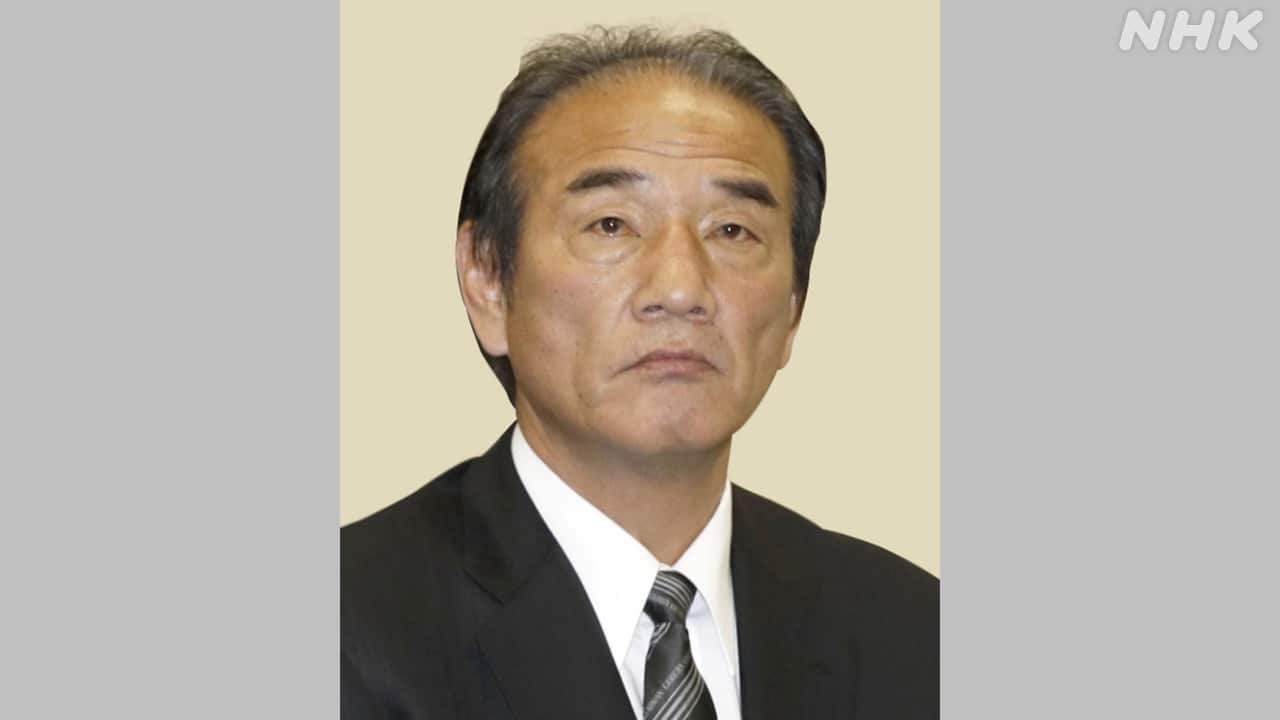
The world of 大相撲 (oozumou, professional sumo wrestling) is mourning the loss of former ōzeki Wakashimazu, whose real name was Hidaka Mutsuo. According to reports, he 亡くなりました (nakunarimashita, passed away) on the 15th 肺炎のため (haien no tame, due to pneumonia). He was 69 years old.
Known by the nickname “Nankai no Kurohyou” (the “Black Panther of the South Seas”), Wakashimazu was one of the prominent figures in professional sumo during the Shōwa era. He reached the prestigious rank of 元大関 (moto-ozeki, former ōzeki), the second-highest rank in sumo.
He was 鹿児島県種子島出身 (Kagoshima-ken Tanegashima shusshin), meaning he was from Tanegashima Island in Kagoshima Prefecture. As a young wrestler, he 入門しました (nyuumon shimashita, entered) the Futagoyama stable and made his professional debut in the Spring Tournament of 1975, when he 初土俵を踏みました (hatsudohyou o fumimashita, stepped onto the ring for the first time).
His wife is singer Takada Mizue.
A Career Rooted in Sumo Tradition
In the world of 大相撲 (oozumou), rankings define a wrestler’s career. The rank of 大関 (ozeki) sits just below yokozuna (grand champion) and represents years of consistent excellence.
To become a 元大関 (moto-ozeki) means that a wrestler once held this elite position. Even after retirement, that title remains part of how they are remembered.
Wakashimazu’s journey began when he 入門する (nyuumon suru)—entered—Futagoyama stable. In sumo, a “stable” (部屋, heya) is more than a training gym. It is a communal living and training environment where wrestlers dedicate their lives to mastering the sport.
His professional debut is described in Japanese as 初土俵を踏む (hatsudohyou o fumu). Literally, this means “to step onto the ring for the first time.” It marks a wrestler’s official start in professional competition.
Cultural Context: Why Sumo News Matters
Sumo is Japan’s national sport, with centuries of tradition tied to Shinto rituals. News about the passing of a former top-ranked wrestler is not only sports news—it carries cultural significance.
The use of polite, factual language such as:
- 亡くなりました。 (nakunarimashita.) — “has passed away.”
- 69歳でした。 (69-sai deshita.) — “He was 69 years old.”
reflects how Japanese media formally report deaths, especially of public figures.
Even the nickname “Nankai no Kurohyou” shows how sumo wrestlers often receive powerful, symbolic ring names that reflect their style, strength, or regional identity.
Learn Japanese from This Article
Let’s break down key vocabulary and grammar you can take from this news report.
Key Vocabulary
| Japanese | Romaji | Meaning |
|---|---|---|
| 大相撲 | oozumou | professional sumo wrestling |
| 元大関 | moto-ozeki | former ōzeki (second-highest sumo rank) |
| 肺炎 | haien | pneumonia |
| 亡くなる | nakunaru | to pass away |
| 出身 | shusshin | one’s hometown or origin |
| 入門する | nyuumon suru | to enter (a stable, school, organization) |
| 初土俵を踏む | hatsudohyou o fumu | to make one’s professional debut in sumo |
Notice how many of these are compound kanji words. Recognizing the individual kanji helps:
- 元 (moto) = former
- 出 (shutsu/de) = exit → origin
- 身 (mi) = body → together, “where one’s body comes from”
This is how Japanese children build meaning step by step through kanji.
Grammar Spotlight
1. 〜のため (no tame) — “due to; because of” (formal reason)
Used in news and formal writing to give an objective reason.
肺炎のため、亡くなりました。 Haien no tame, nakunarimashita. “He passed away due to pneumonia.”
Structure: > Noun + のため
Other examples:
大雨のため、試合は中止になりました。 Ooame no tame, shiai wa chuushi ni narimashita. “The game was canceled due to heavy rain.”
This pattern sounds more formal and objective than casual speech.
2. 〜でした (deshita) — polite past tense
You saw:
69歳でした。 Rokujū-kyuu sai deshita. “He was 69 years old.”
Structure: > Noun + でした
Examples:
鹿児島県出身でした。 Kagoshima-ken shusshin deshita. “He was from Kagoshima Prefecture.”
This is standard, polite reporting style used in news.
Useful Expression
初土俵を踏む (hatsudohyou o fumu) “To make one’s debut (in sumo).”
You can think of it literally as “stepping onto the ring for the first time.” In Japanese, many career milestones are described as physically stepping into something.
Continue Learning
To strengthen your reading skills and better understand news like this:
- To understand more about general, explore our Reading and Writing in Japanese II: Hiragana and Katakana lesson.
- Working on your reading skills? Our Introduction to Kanji: Pictorial Foundations of Japanese Script lesson is a great next step.
- Ready to dive deeper? Our lesson on Basic Vocabulary Building: Embracing Words Without Latin Ties will help you master these concepts.
Sumo news may seem simple at first glance, but it’s filled with formal expressions, cultural meaning, and powerful vocabulary. Each article like this brings you closer to reading Japanese the way it’s written in Japan.
これからもよろしくお願いします。 Kore kara mo yoroshiku onegaishimasu.