
In January this year, more than 4億円余り (yon oku en amari), or over 400 million yen, was stolen on a street in Tokyo’s Taitō Ward. The incident was part of 一連の事件 (ichiren no jiken), a series of crimes in which large amounts of cash were targeted one after another.
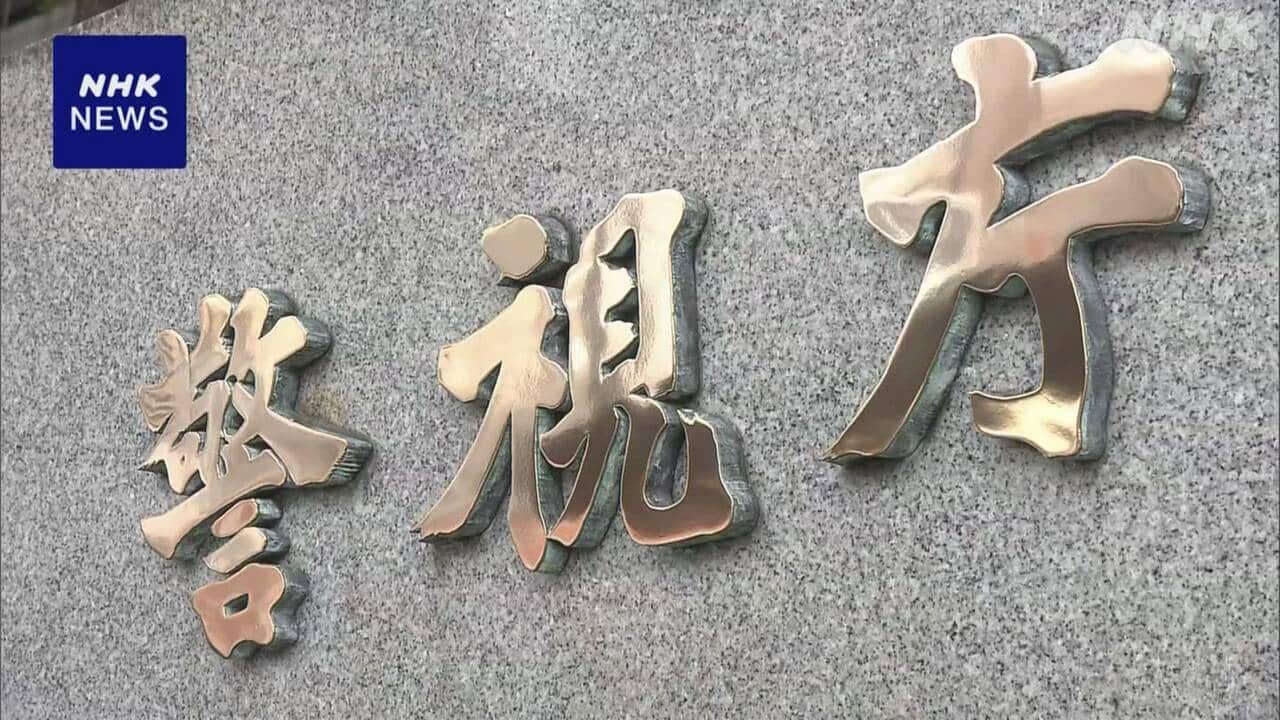
According to NHK, the Tokyo Metropolitan Police Department—警視庁 (keishichō)—has arrested seven people, including gang members, on suspicion of robbery. Among them were three suspects who had fled the scene.
A Series of Cash Robberies
The January robbery in Taitō Ward was not an isolated case. It was one 〜のうち (~no uchi), or “among,” several incidents that occurred 相次いで (aitsui de)—in succession.
In Tokyo’s Taitō Ward, at Haneda Airport, and even in Hong Kong, 多額 (tagaku)—large sums—of cash were reportedly targeted. Out of this broader pattern, the Taitō Ward street robbery resulted in more than 400 million yen being 奪われた (ubawareta)—taken by force.
The suspects are described as a group that included both Chinese nationals and Japanese individuals. After the robbery, three of the perpetrators attempted 逃走 (tōsō), or escape, from the scene. Police later tracked them down and made arrests on suspicion of robbery.
Understanding the Language of Crime Reporting
Japanese news often uses very specific phrasing in crime reports. Two key expressions from this article are worth understanding deeply.
First, notice the passive form in:
4億円余りを奪われた事件 yon oku en amari o ubawareta jiken “An incident in which more than 400 million yen was stolen”
Here, 奪う (ubau, “to rob; to take by force”) becomes 奪われた (ubawareta), the passive form. The passive is frequently used in news reports to describe victims being affected by an action.
Second, the structure:
一連の事件のうち ichiren no jiken no uchi “Out of a series of incidents”
The grammar pattern 〜のうち (~no uchi) means “among” or “out of.” It narrows the focus from a larger group to one specific case.
Cultural Context: Organized Crime and Public Safety
The article mentions 暴力団員 (bōryokudan-in), meaning members of an organized crime group, often referred to as “yakuza” in English. In Japanese media, the term 暴力団 (bōryokudan) is typically used instead of “yakuza,” as it is more formal and legal in tone.
Japan is often perceived as a country with low crime rates, especially regarding violent street crime. That’s why large-scale robberies involving hundreds of millions of yen draw significant public and media attention. The involvement of multiple locations—including Haneda Airport and Hong Kong—also suggests a broader pattern, which is why the report emphasizes 一連の (ichiren no), “a series of.”
Understanding these terms helps you read Japanese news the way it’s actually written in Japan—concise, factual, and often structured around legal terminology.
Learn Japanese from This Article
Key Vocabulary
| Japanese | Romaji | Meaning |
|---|---|---|
| 相次いで | aitsui de | one after another; in succession |
| 多額 | tagaku | large sum (of money) |
| 一連の | ichiren no | a series of |
| 奪う | ubau | to rob; to take by force |
| 奪われる | ubawareru | to be robbed; to be taken (passive) |
| 逃走 | tōsō | escape; flight |
| 警視庁 | keishichō | Tokyo Metropolitan Police Department |
| 〜余り | ~amari | more than; over (a number) |
Grammar Spotlight ①: 〜のうち (Out of; Among)
Structure: A のうち B “B out of A” / “Among A”
Example from the article:
- 一連の事件のうち台東区の路上で… ichiren no jiken no uchi taitō-ku no rojō de… “Out of a series of incidents, (the one) on a street in Taitō Ward…”
More examples:
3人のうち1人が逃走した。 san-nin no uchi hitori ga tōsō shita. “One out of three people escaped.”
参加者のうち多くが学生です。 sankasha no uchi ōku ga gakusei desu. “Many of the participants are students.”
Grammar Spotlight ②: Passive Voice (受け身)
In news Japanese, the passive form is extremely common.
Active:
- 犯人が現金を奪った。 hannin ga genkin o ubatta. “The criminal stole the cash.”
Passive:
- 現金が奪われた。 genkin ga ubawareta. “The cash was stolen.”
The passive shifts focus to the victim or the event itself—very typical in formal reporting.
Useful Expression
- 多額の現金が奪われた。 tagaku no genkin ga ubawareta. “A large amount of cash was stolen.”
You’ll see this structure again and again in Japanese crime reports.
Continue Learning
To strengthen your reading skills and better understand news articles like this:
- To understand more about general topics, explore our Reading and Writing in Japanese II: Hiragana and Katakana lesson.
- Working on your reading skills? Our Introduction to Kanji: Pictorial Foundations of Japanese Script lesson is a great next step.
- To understand more about general vocabulary, explore our Basic Vocabulary Building: Embracing Words Without Latin Ties lesson.
By reading real news and breaking it down piece by piece, you're training your eyes to process authentic Japanese—the same way native readers do.
これからもよろしくお願いします。 Kore kara mo yoroshiku onegaishimasu.