
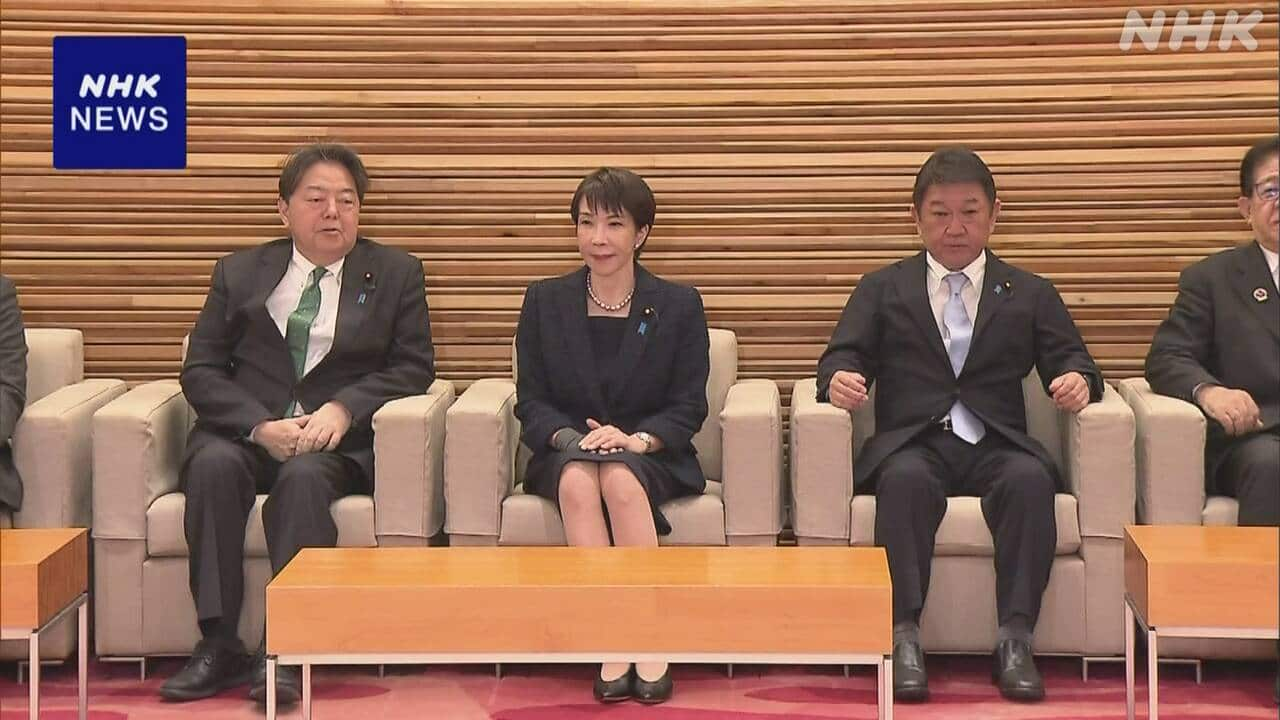
On March 13, the Japanese government 決定しました (kettei shimashita — decided) a new five-year 男女共同参画基本計画 (danjo kyōdō sankaku kihon keikaku — Basic Plan for Gender Equality) at a 閣議 (kakugi — Cabinet meeting). One key point: it will examine building a legal framework that would allow people to list only their 旧姓 (kyūsei — former surname) on official documents.
Let’s take a closer look at what this means — both in terms of policy and Japanese language.
A New Five-Year Gender Equality Plan
At the March 13 Cabinet meeting, the government formally approved the next five-year 基本計画 (kihon keikaku — basic plan) related to 男女共同参画 (danjo kyōdō sankaku — gender equality or joint participation of men and women).
In Japan, major national strategies are often set out in multi-year “basic plans.” The verb used in the article is 決定する (kettei suru — to decide or determine), a common word you’ll frequently see in news reports when policies are officially adopted.
This new plan includes measures connected to the expansion of the use of former surnames.
Expanding the Use of Former Surnames
The article states:
旧姓使用の拡大をめぐり、旧姓だけの記載も可能とする法制化を含めた基盤整備の検討などを盛り込んでいます。
Let’s break that down.
The phrase 旧姓使用の拡大をめぐり (kyūsei shiyō no kakudai o meguri) means “concerning the expansion of the use of former surnames.” The grammar pattern 〜をめぐり (~ o meguri) is often used in news to describe debates or issues surrounding a topic.
The plan 盛り込んでいます (morikonde imasu — includes/incorporates) consideration of:
旧姓だけの記載も可能とする法制化 (kyūsei dake no kisai mo kanō to suru hōseika) legislation that would make it possible to list only one’s former surname
基盤整備の検討など (kiban seibi no kentō nado) examination of developing the necessary foundations (infrastructure or systems)
In simple terms, the government will consider creating laws (法制化, hōseika) and systems that allow people to use only their former surname in official records.
Cultural Context: Why Former Surnames Matter in Japan
In Japan, married couples are legally required to share the same surname. In most cases, one spouse — often the wife — changes her surname after marriage.
As a result, the issue of using a 旧姓 (kyūsei) has become closely connected to discussions of identity, career continuity, and gender equality. Expanding the use of former surnames in official documents is often discussed within the broader framework of 男女共同参画 (danjo kyōdō sankaku).
Even in this short article, you can see how carefully the issue is framed in administrative language. News reports often use structured expressions like 〜をめぐり and 〜を含めた to describe policy debates in a neutral way.
Understanding these patterns will help you read Japanese news much more smoothly.
Learn Japanese from This Article
Key Vocabulary
| Japanese | Romaji | Meaning |
|---|---|---|
| 閣議 | kakugi | Cabinet meeting |
| 決定する | kettei suru | to decide; to determine |
| 男女共同参画 | danjo kyōdō sankaku | gender equality; joint participation of men and women |
| 基本計画 | kihon keikaku | basic plan; fundamental plan |
| 旧姓 | kyūsei | maiden name; former surname |
| 法制化 | hōseika | legislation; making into law |
| 盛り込む | morikomu | to include; to incorporate |
Try reading the headline again and see how many of these words you can now recognize instantly.
Grammar Spotlight
1️⃣ 〜をめぐり
Meaning: concerning; over; regarding (often used for debates or issues)
Structure: N + をめぐり
Example from the article:
- 旧姓使用の拡大をめぐり、検討が行われています。 Kyūsei shiyō no kakudai o meguri, kentō ga okonawarete imasu. Discussions are being held regarding the expansion of the use of former surnames.
More examples:
新しい制度をめぐり、意見が分かれています。 Atarashii seido o meguri, iken ga wakarete imasu. Opinions are divided over the new system.
教育改革をめぐる議論が続いています。 Kyōiku kaikaku o meguru giron ga tsuzuite imasu. Debate continues regarding education reform.
Notice how common this structure is in formal reporting.
2️⃣ 〜を含めたN
Meaning: N that includes ~; including ~
Structure: N1 を含めた N2
Example from the article:
- 法制化を含めた基盤整備 Hōseika o fukumeta kiban seibi Development of a foundation including legislation
More examples:
海外市場を含めた戦略 Kaigai shijō o fukumeta senryaku A strategy that includes overseas markets
若者を含めた意見交換 Wakamono o fukumeta iken kōkan An exchange of opinions including young people
This pattern is extremely useful for reading policy documents and business news.
Useful Expression from the Article
- 〜を盛り込む (~ o morikomu) — to include (in a plan or document)
Example:
- 新しい対策を計画に盛り込みました。 Atarashii taisaku o keikaku ni morikomimashita. New measures were included in the plan.
You’ll see 盛り込む again and again in official announcements.
Continue Learning
Ready to strengthen your reading skills?
- Reading and Writing in Japanese II: Hiragana and Katakana: Ready to dive deeper? Our lesson on Reading and Writing in Japanese II: Hiragana and Katakana will help you master these concepts.
- Introduction to Kanji: Pictorial Foundations of Japanese Script: Working on your reading skills? Our Introduction to Kanji: Pictorial Foundations of Japanese Script lesson is a great next step.
- Basic Vocabulary Building: Embracing Words Without Latin Ties: To understand more about general, explore our Basic Vocabulary Building: Embracing Words Without Latin Ties lesson.
By reading real news like this, you're not just learning vocabulary — you're learning how modern Japan talks about policy, society, and change.
これからもよろしくお願いします。 Kore kara mo yoroshiku onegaishimasu.