
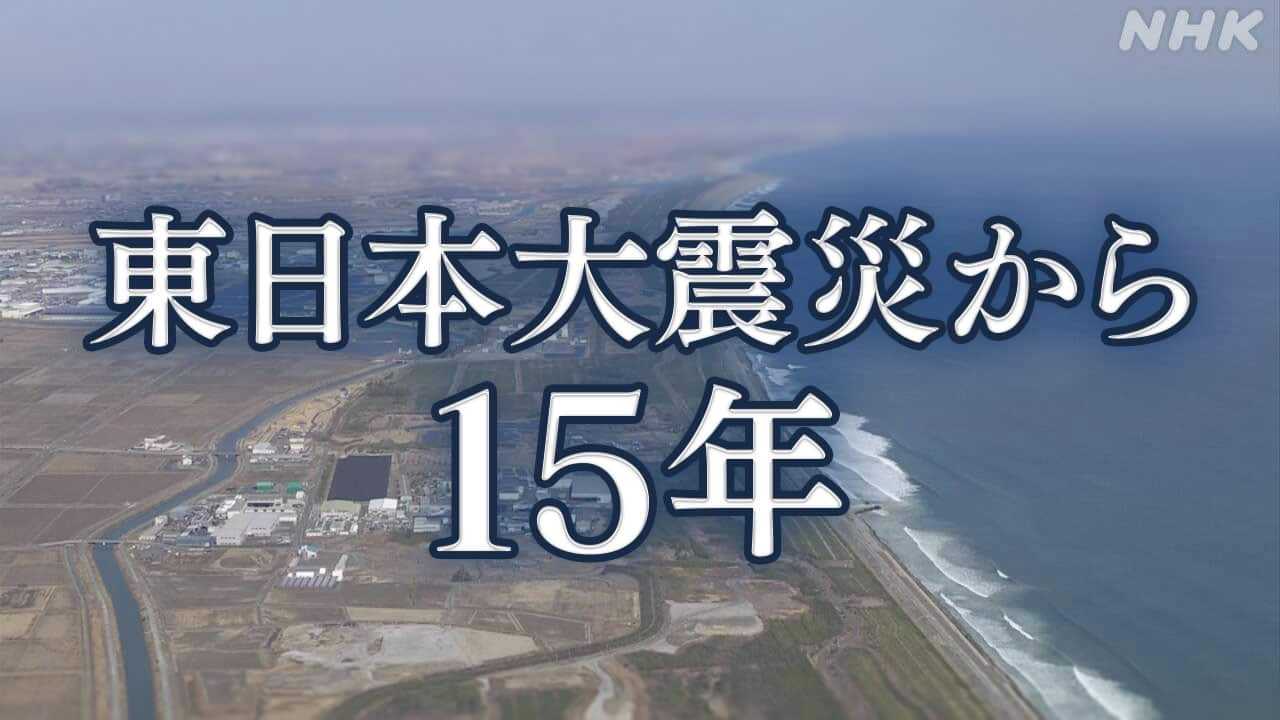
On March 11, 2026, it has been 15 years since the 東日本大震災 (Higashi-Nihon Daishinsai), the Great East Japan Earthquake, and the accident at the Fukushima Daiichi 原子力発電所 (genshiryoku hatsudensho), the nuclear power plant operated by Tokyo Electric Power Company.
The disaster and nuclear accident occurred in 2011. Now, 15 years after their 発生 (hassei), the affected regions are facing a new phase of challenges.
15 Years After the Disaster
The article marks a significant milestone: 東日本大震災と東京電力福島第一原子力発電所の事故の発生から11日で15年です。 Higashi-Nihon Daishinsai to Tōkyō Denryoku Fukushima Daiichi Genshiryoku Hatsudensho no jiko no hassei kara jūichi-nichi de jūgo-nen desu. “It has been 15 years since the occurrence of the Great East Japan Earthquake and the accident at the Tokyo Electric Power Fukushima Daiichi Nuclear Power Plant.”
In the 被災地 (hisai-chi), or disaster-affected areas, large-scale rebuilding efforts have taken place. Roads, buildings, and other essential インフラ (infura), infrastructure, have been almost completely restored.
However, recovery is not only about rebuilding structures.
New Challenges: Population and Aging
Although infrastructure development is mostly complete, the article points out a serious issue:
インフラの整備などはほぼ完了したものの、人口減少や高齢化が進んでいて… Infura no seibi nado wa hobo kanryō shita mono no, jinkō genshō ya kōreika ga susunde ite… “Although infrastructure development and related work are mostly finished, population decline and aging are progressing…”
Two key social trends are highlighted:
- 人口減少 (jinkō genshō) — population decline
- 高齢化 (kōreika) — an aging population
Even before 2011, many rural regions of Japan were already experiencing shrinking populations and increasing numbers of elderly residents. In some disaster-affected areas, these trends have continued or intensified.
The article emphasizes the need for a long-term perspective—considering how to support each individual’s daily life moving forward.
Cultural Context: Recovery Beyond Buildings
In Japan, disaster recovery is often discussed in stages. First comes emergency response. Then rebuilding homes, roads, and public facilities. But long-term recovery focuses on something deeper: community life.
The word 暮らし (kurashi), meaning “daily life” or “livelihood,” is central here. Recovery isn’t considered complete just because physical structures are rebuilt. It also means ensuring that people—especially elderly residents—can continue living safely and comfortably in their hometowns.
This reflects an important aspect of Japanese society: community stability and long-term support are seen as collective responsibilities.
Learn Japanese from This Article
Key Vocabulary
| Japanese | Romaji | Meaning |
|---|---|---|
| 東日本大震災 | Higashi-Nihon Daishinsai | Great East Japan Earthquake |
| 原子力発電所 | genshiryoku hatsudensho | nuclear power plant |
| 発生 | hassei | occurrence; outbreak |
| 被災地 | hisai-chi | disaster-affected area |
| インフラ | infura | infrastructure |
| 人口減少 | jinkō genshō | population decline |
| 高齢化 | kōreika | aging population |
Notice how many of these are compound kanji words. For example:
- 人口 (jinkō) = population
- 人 (jin) = person
- 口 (kō) = mouth (used metaphorically for “number of people”)
- 減少 (genshō) = decrease
Understanding the kanji helps you guess meanings even if the word is new.
Grammar Spotlight
1️⃣ 〜から〜年です
“It has been ~ years since ~”
Structure: [Event] + から + [number]年です
Example from the article:
発生から15年です。 Hassei kara jūgo-nen desu. “It has been 15 years since the occurrence.”
More examples:
日本に来てから3年です。 Nihon ni kite kara san-nen desu. “It has been three years since I came to Japan.”
卒業してから10年です。 Sotsugyō shite kara jū-nen desu. “It has been ten years since I graduated.”
This pattern is extremely common in news reports and everyday conversation.
2️⃣ 〜たものの
“Although…; even though…”
Structure: Verb (past plain form) + ものの
Example:
整備は完了したものの、課題が残っています。 Seibi wa kanryō shita mono no, kadai ga nokotte imasu. “Although the improvements are complete, challenges remain.”
This pattern introduces a contrast between expectation and reality.
More examples:
勉強したものの、試験は難しかったです。 Benkyō shita mono no, shiken wa muzukashikatta desu. “Although I studied, the exam was difficult.”
雨はやんだものの、風は強いです。 Ame wa yanda mono no, kaze wa tsuyoi desu. “Although the rain stopped, the wind is strong.”
You’ll often see this structure in formal writing and news articles.
Useful Expressions
- 長期的な視点で (chōkiteki na shiten de) — from a long-term perspective
- 一人ひとりの暮らし (hitori hitori no kurashi) — each individual’s daily life
These expressions reflect how Japanese reporting often emphasizes careful planning and community well-being.
Continue Learning
Ready to strengthen your reading skills?
- Reading and Writing in Japanese II: Hiragana and Katakana: Ready to dive deeper? Our lesson on Reading and Writing in Japanese II: Hiragana and Katakana will help you master these concepts.
- Introduction to Kanji: Pictorial Foundations of Japanese Script: Working on your reading skills? Our Introduction to Kanji: Pictorial Foundations of Japanese Script lesson is a great next step.
- Basic Vocabulary Building: Embracing Words Without Latin Ties: Curious about the Japanese used here? Our Basic Vocabulary Building: Embracing Words Without Latin Ties lesson covers this in depth.
Fifteen years after the disaster, the conversation in Japan is no longer only about rebuilding structures—but about sustaining communities and supporting individual lives over the long term. Understanding the language used in these discussions helps you understand modern Japan more deeply.
これからもよろしくお願いします。 Kore kara mo yoroshiku onegaishimasu.