
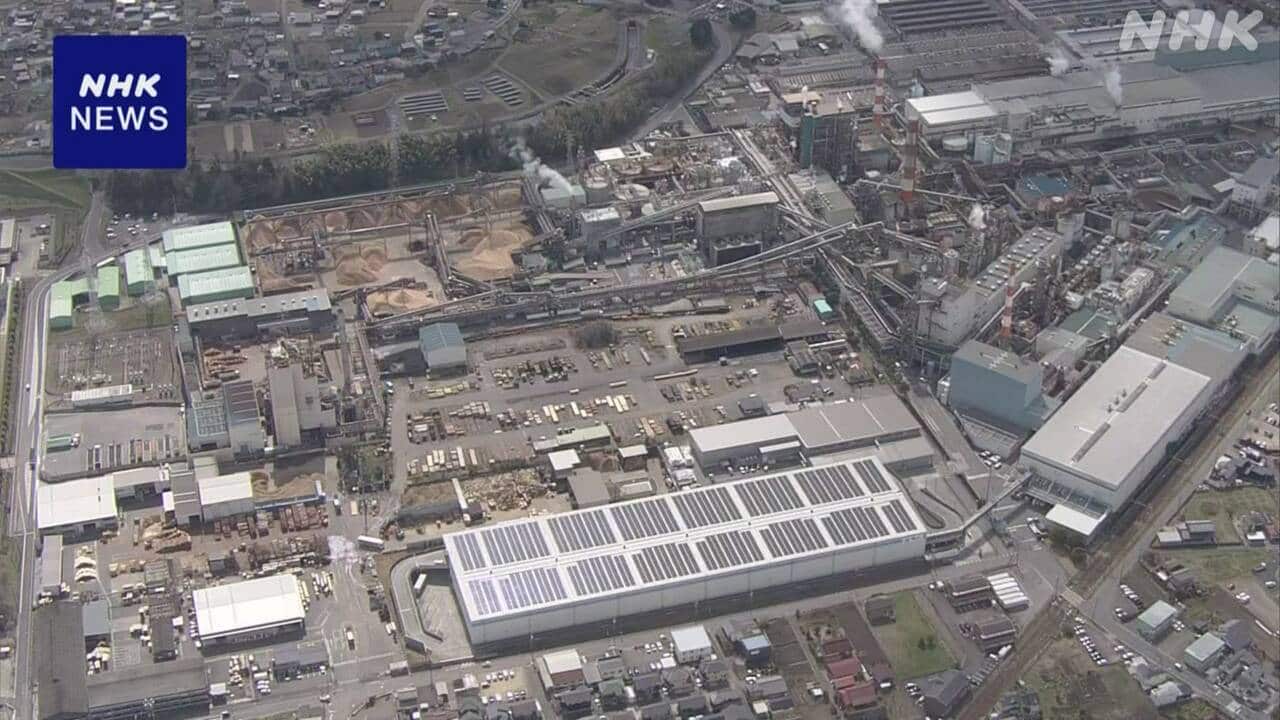
On March 10, six workers were rushed to the hospital after feeling unwell at a paper factory in Gifu Prefecture while replacing a valve on a carbon monoxide pipeline.
According to reports, the incident occurred at a 製紙工場 (seishi kōjō, paper manufacturing factory) in Kani City, Gifu. The workers were engaged in 交換作業 (kōkan sagyō, replacement work) on a valve connected to a pipeline that 供給する (kyōkyū suru, supplies) 一酸化炭素 (issanka tanso, carbon monoxide).
During the work, six employees complained of 体調不良 (taichō furyō, poor physical condition), prompting authorities to carry out 救急搬送 (kyūkyū hansō, emergency transport to hospital).
警察によりますと (keisatsu ni yorimasu to, according to the police), the cause is believed to be carbon monoxide poisoning.
What Happened at the Factory
The workers were performing maintenance on a pipeline valve. The original Japanese report uses the formal expression:
バルブの交換作業にあたっていた作業員6人 barubu no kōkan sagyō ni atatte ita sagyōin roku-nin “Six workers who were engaged in valve replacement work”
The phrase 〜にあたって is often used in formal or official contexts to describe what someone is doing “on the occasion of” or “in the course of” carrying out a particular task.
As the work was underway, the workers reported feeling ill. The article states they experienced 体調不良を訴えるなどして — meaning they complained of poor physical condition “among other symptoms.” The grammar pattern 〜などして suggests there may have been additional related actions or symptoms not fully detailed.
Police believe the workers may have suffered from carbon monoxide poisoning, though the report does not provide further details about their condition.
Cultural Context: Safety and Reporting in Japan
Industrial accidents are taken seriously in Japan, especially when they involve hazardous substances such as 一酸化炭素 (issanka tanso, carbon monoxide).
Japanese news reports often use careful, indirect phrasing such as:
- 〜によりますと (ni yorimasu to) — “according to…”
- 〜か (ka) — “possibly,” “suspected to be…”
This cautious language reflects a strong journalistic norm: avoid stating conclusions until officially confirmed. That’s why the article says carbon monoxide poisoning “is believed” to be the cause rather than stating it definitively.
Learn Japanese from This Article
Let’s break down the key vocabulary and grammar used in this report.
Key Vocabulary
| Japanese | Romaji | Meaning |
|---|---|---|
| 製紙工場 | seishi kōjō | paper manufacturing factory |
| 一酸化炭素 | issanka tanso | carbon monoxide |
| 供給する | kyōkyū suru | to supply, to provide |
| 交換作業 | kōkan sagyō | replacement work |
| 体調不良 | taichō furyō | poor physical condition |
| 救急搬送 | kyūkyū hansō | emergency transport (to hospital) |
| 警察によりますと | keisatsu ni yorimasu to | according to the police |
Notice how many of these are compound kanji words. Industrial and news vocabulary in Japanese often combines precise kanji to create very specific meanings.
Grammar Spotlight 1: 〜にあたって
Structure: Noun + にあたって
Meaning: When doing; on the occasion of (formal)
Example from the article:
- 交換作業にあたっていた。 kōkan sagyō ni atatte ita “(They) were engaged in replacement work.”
More examples:
- 試験にあたって、注意事項を説明します。 shiken ni atatte, chūi jikō o setsumei shimasu “On the occasion of the exam, I will explain the precautions.”
This expression is common in formal speech, official announcements, and news reports.
Grammar Spotlight 2: 〜などして
Structure: Verb (plain form) + などして
Meaning: Doing things such as ~ (implying other related actions)
Example from the article:
- 体調不良を訴えるなどして救急搬送されました。 taichō furyō o uttaeru nado shite kyūkyū hansō saremashita “They complained of feeling unwell, among other symptoms, and were taken to the hospital.”
This pattern is frequently used in news to summarize multiple actions without listing everything in detail.
Useful News Expression
- 〜によりますと (ni yorimasu to) — “according to ~”
Example:
- 警察によりますと、一酸化炭素中毒の可能性があるということです。 keisatsu ni yorimasu to, issanka tanso chūdoku no kanōsei ga aru to iu koto desu “According to the police, there is a possibility of carbon monoxide poisoning.”
You’ll see this phrase constantly in Japanese news broadcasts.
Continue Learning
To strengthen your reading skills and understand reports like this more comfortably:
- To understand more about general, explore our Reading and Writing in Japanese II: Hiragana and Katakana lesson.
- Working on your reading skills? Our Introduction to Kanji: Pictorial Foundations of Japanese Script lesson is a great next step.
- Curious about the Japanese used here? Our Basic Vocabulary Building: Embracing Words Without Latin Ties lesson covers this in depth.
Reading real news, even short reports like this one, exposes you to formal expressions, compound kanji, and the precise language used in Japanese society.
これからもよろしくお願いします。 Kore kara mo yoroshiku onegaishimasu.