
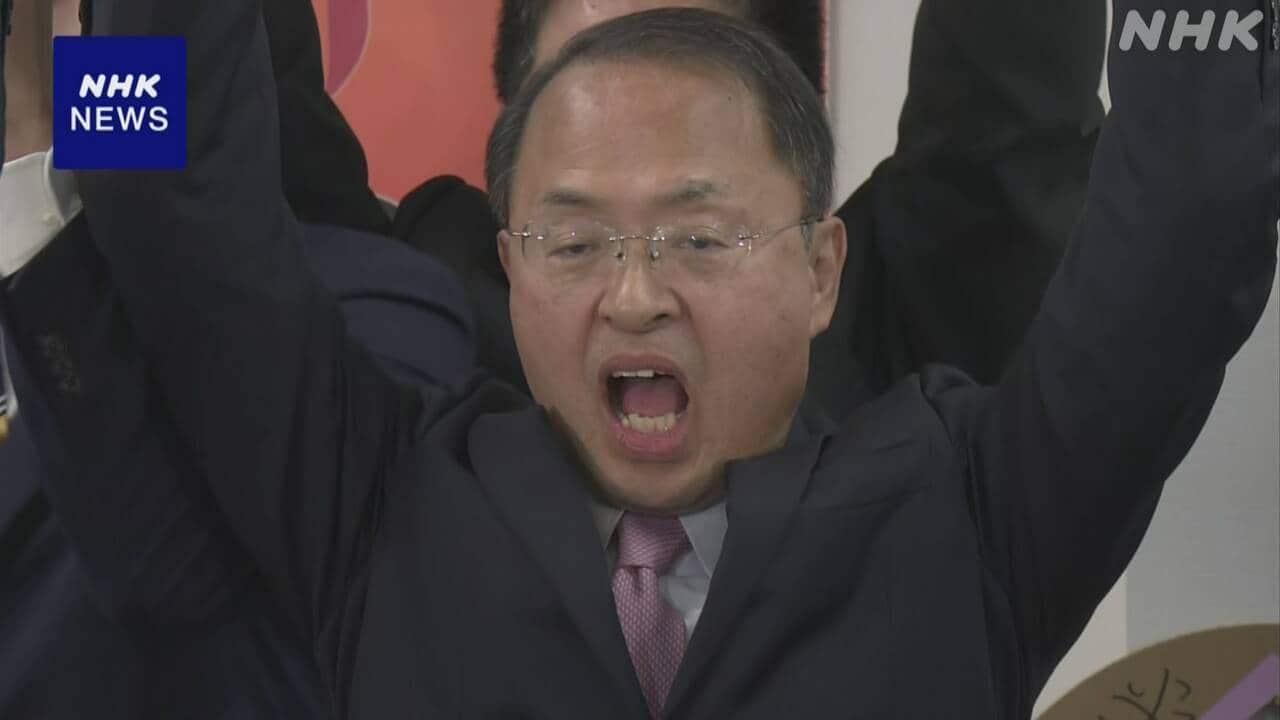
On March 8, 2026, Ishikawa Prefecture held its first gubernatorial election since the 能登半島地震 (Noto Hantō Jishin), and a newcomer emerged victorious.
In the 知事選挙 (chiji senkyo), former Kanazawa mayor Yamano Yukiyoshi won his first term as governor, defeating the incumbent and other candidates. This election was especially significant because it was the first one held since the earthquake struck two years ago.
A Historic Election After the Earthquake
The recent election in Ishikawa Prefecture marked a turning point. It was the first 知事選挙 (chiji senkyo, gubernatorial election) held おととしの能登半島地震の発生以来 — ototoshi no Noto Hantō Jishin no hassei irai — “since the occurrence of the Noto Peninsula Earthquake two years ago.”
The word 発生 (hassei) means “occurrence” or “outbreak” and is often used for natural disasters, accidents, or incidents. In this context, it refers to the moment the earthquake struck.
In this important election, 新人 (shinjin, newcomer) Yamano Yukiyoshi, a former mayor of Kanazawa City, ran for governor. He was supported by the Ishikawa prefectural federation of the Democratic Party for the People. Yamano 現職らを抑えて当選を果たしました — genshoku-ra o osaete tōsen o hatashimashita — meaning he “defeated the incumbent and others to achieve election victory.”
Let’s break that down:
- 現職 (genshoku) = the current officeholder (incumbent)
- 抑えて (osaete) = by defeating / holding off
- 当選を果たす (tōsen o hatasu) = to achieve election victory
This was Yamano’s first time being elected governor.
Why “Since the Earthquake” Matters
The phrase 〜以来 (〜irai, since) carries strong emotional and historical weight in Japanese. By saying this was the first election “since the earthquake,” the news highlights how significant the disaster was for the region.
The 能登半島地震 (Noto Hantō Jishin) deeply affected Ishikawa Prefecture. When media outlets reference events in relation to it, they are signaling that the disaster reshaped local politics and daily life. Even without extra details, the timing alone suggests that recovery and leadership were central themes in the public mind.
In Japanese news reporting, connecting political events to major disasters is common. It helps readers immediately understand the broader context.
Learn Japanese from This Article
Key Vocabulary
| Japanese | Romaji | Meaning |
|---|---|---|
| 能登半島地震 | Noto Hantō Jishin | Noto Peninsula Earthquake |
| 発生 | hassei | occurrence; outbreak |
| 知事選挙 | chiji senkyo | gubernatorial election |
| 新人 | shinjin | newcomer; new candidate |
| 現職 | genshoku | incumbent |
| 抑えて | osaete | by defeating; holding off |
| 当選を果たす | tōsen o hatasu | to achieve election victory |
Notice how many of these are common in Japanese political news. If you follow current events in Japanese, you’ll see them again and again.
Grammar Spotlight
1. 〜以来 (〜irai) — “since (a certain time/event)”
Structure: Noun + 以来
Example from the article: 能登半島地震の発生以来 Noto Hantō Jishin no hassei irai “Since the occurrence of the Noto Peninsula Earthquake”
More examples:
去年以来、忙しいです。 Kyonen irai, isogashii desu. I’ve been busy since last year.
日本に来て以来、日本語を毎日使っています。 Nihon ni kite irai, nihongo o mainichi tsukatte imasu. I’ve been using Japanese every day since coming to Japan.
Unlike English, Japanese often places 以来 directly after the noun phrase without extra words like “from” or “after.”
2. 〜を抑えて (〜o osaete) — “by defeating; holding off”
Structure: Opponent + を抑えて + result
Example from the article: 現職らを抑えて当選を果たしました。 Genshoku-ra o osaete tōsen o hatashimashita. He defeated the incumbent and others and achieved election victory.
More examples:
強い相手を抑えて優勝しました。 Tsuyoi aite o osaete yūshō shimashita. He won the championship by defeating a strong opponent.
ライバルを抑えて1位になりました。 Raibaru o osaete ichi-i ni narimashita. She became number one by beating her rival.
This pattern is very common in sports and election news.
Useful Expression
当選を果たす (tōsen o hatasu)
Literally, “to accomplish election.”
In English, we might simply say “win,” but Japanese news prefers this more formal expression. It emphasizes that winning an election is an achievement.
You’ll often see it in headlines:
- 初当選を果たす (hatsu tōsen o hatasu) — to win for the first time
- 再選を果たす (saisen o hatasu) — to win re-election
Continue Learning
Want to strengthen your reading skills so you can follow Japanese news directly?
- Reading and Writing in Japanese II: Hiragana and Katakana: Want to learn more about general? Check out our lesson on Reading and Writing in Japanese II: Hiragana and Katakana.
- Introduction to Kanji: Pictorial Foundations of Japanese Script: Working on your reading skills? Our Introduction to Kanji: Pictorial Foundations of Japanese Script lesson is a great next step.
- Basic Vocabulary Building: Embracing Words Without Latin Ties: Curious about the Japanese used here? Our Basic Vocabulary Building: Embracing Words Without Latin Ties lesson covers this in depth.
By reading real news like this, you’re learning Japanese the way it’s actually used in Japan — formal, precise, and rich with nuance.
これからもよろしくお願いします。 Kore kara mo yoroshiku onegaishimasu.