
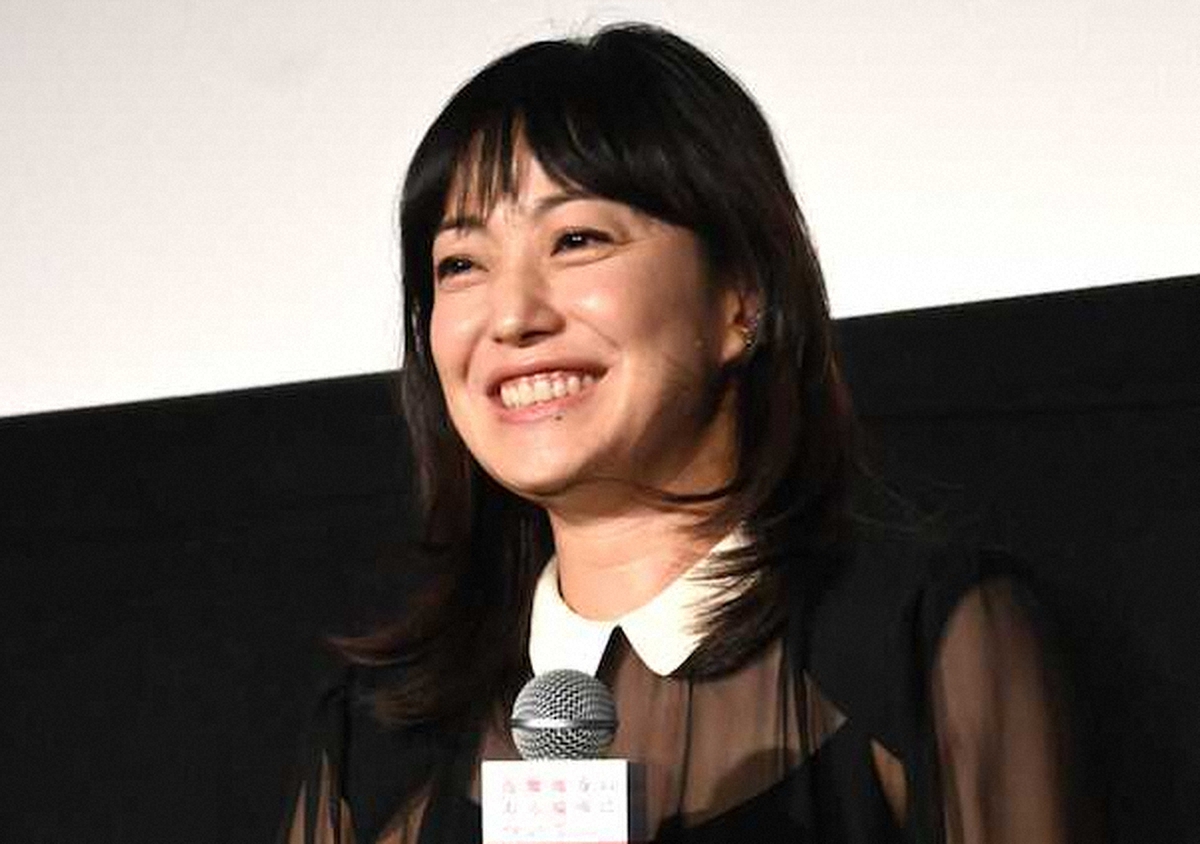
On March 5, actress Miho Kanno openly admitted on national television that there’s one household chore she simply can’t stand: folding laundry.
Miho Kanno Reveals Her Least Favorite Chore
On the March 5 broadcast of TBS’s variety show 「ニンゲン観察バラエティ モニタリング」 (Ningen Kansatsu Variety Monitoring), 女優 (joyū) Miho Kanno (48) made a guest appearance — in Japanese, she 出演した (shutsuen shita), meaning she “appeared on” the program.
During the show, she cooked alongside culinary enthusiast and TV personality Remi Hirano. In the middle of their cooking segment, Kanno was asked a simple question:
“What household chore are you bad at?”
In Japanese, that question centers around the word 苦手(な) (nigate (na)) — something you’re not good at or don’t particularly like.
Kanno’s answer was refreshingly honest.
「洗濯物を畳むのがあまり好きじゃないですね。」 “Sentakumono o tatamu no ga amari suki ja nai desu ne.” “I don’t really like folding laundry.”
She explained further:
「洗うまではいいんですけど、出来上がったのを畳むのが、凄い無駄な時間を過ごしているなあって思う。」 “Arau made wa ii n desu kedo, dekiagatta no o tatamu no ga, sugoku muda na jikan o sugoshite iru naa tte omou.” “Up until washing them, it’s fine — but when it comes to folding what’s finished, I feel like I’m spending a really pointless amount of time.”
The key words here are:
- 洗濯物 (sentakumono) — laundry
- 畳む (tatamu) — to fold
- 無駄 (muda) — waste, useless
She even laughed as she said it, showing that even well-known celebrities struggle with the same everyday chores many of us do.
Why This Feels So Relatable in Japan
In Japan, 家事 (kaji) — housework — is often discussed openly in interviews and variety shows. Celebrities are frequently asked about their daily routines, parenting styles, and home habits. It helps audiences see them as ordinary people, not just stars.
Laundry, especially, is a regular part of daily life in Japan. Many households air-dry clothes instead of using dryers, which means folding 洗濯物 (sentakumono) can feel like a never-ending task. Kanno’s comment about it being 無駄 (muda) — a “waste” of time — taps into a shared feeling many viewers likely understood immediately.
Her phrasing also reflects a very natural, conversational Japanese style — the kind you’ll hear in real-life interviews rather than in textbooks.
Learn Japanese from This Article
Let’s break down some of the most useful vocabulary and grammar from Kanno’s comments.
Vocabulary
| Japanese | Romaji | Meaning |
|---|---|---|
| 女優 | joyū | actress |
| 出演する | shutsuen suru | to appear (on TV, in a show) |
| 苦手(な) | nigate (na) | to be poor at; not good at; dislike |
| 家事 | kaji | housework; household chores |
| 洗濯物 | sentakumono | laundry |
| 畳む | tatamu | to fold |
| 無駄 | muda | waste; uselessness |
Try making your own sentence:
- 料理が苦手です。 Ryōri ga nigate desu. “I’m not good at cooking.”
Grammar Spotlight ①: 〜のが好き/苦手
Structure:
Verb (dictionary form) + のが + 好き/苦手
This pattern nominalizes a verb (turns it into a noun-like phrase) using の, then marks it as the subject with が.
Kanno said:
洗濯物を畳むのがあまり好きじゃないです。 “I don’t really like folding laundry.”
More examples:
本を読むのが好きです。 Hon o yomu no ga suki desu. “I like reading books.”
人前で話すのが苦手です。 Hitomae de hanasu no ga nigate desu. “I’m bad at speaking in front of people.”
This is a very natural way to talk about preferences and weaknesses — much more common than translating directly from English patterns.
Grammar Spotlight ②: 〜まではいい(ん)ですけど
Structure:
Verb (dictionary form) + まではいい(ん)ですけど
Meaning: “Up to (that point) is fine, but…”
Kanno said:
洗うまではいいんですけど… “Up until washing them, it’s fine, but…”
This structure contrasts two stages of an action.
More examples:
行くまではいいんですけど、帰るのが大変です。 Iku made wa ii n desu kedo, kaeru no ga taihen desu. “Going is fine, but coming back is tough.”
作るまでは楽しいんですけど、片付けが面倒です。 Tsukuru made wa tanoshii n desu kedo, katazuke ga mendō desu. “Making it is fun, but cleaning up is a hassle.”
You’ll hear this pattern constantly in casual conversation in Japan.
Useful Expression: 凄い無駄な時間
- 凄い無駄な時間を過ごしているなあって思う。 Sugoku muda na jikan o sugoshite iru naa tte omou. “I feel like I’m spending an incredibly pointless amount of time.”
Notice the casual quoting particle って (tte), which is common in spoken Japanese when expressing thoughts.
Continue Learning
Curious about how time expressions work in natural Japanese like this?
- Time and Dates: Tense-Free Expressions: Curious about the Japanese used here? Our Time and Dates: Tense-Free Expressions lesson covers this in depth.
Even a successful 女優 (joyū) like Miho Kanno has chores she’d rather avoid. And thanks to moments like this, you get to learn real, conversational Japanese — the kind actually spoken on TV in Japan.
What chore are you 苦手 (nigate) at?
これからもよろしくお願いします。 Kore kara mo yoroshiku onegaishimasu.