
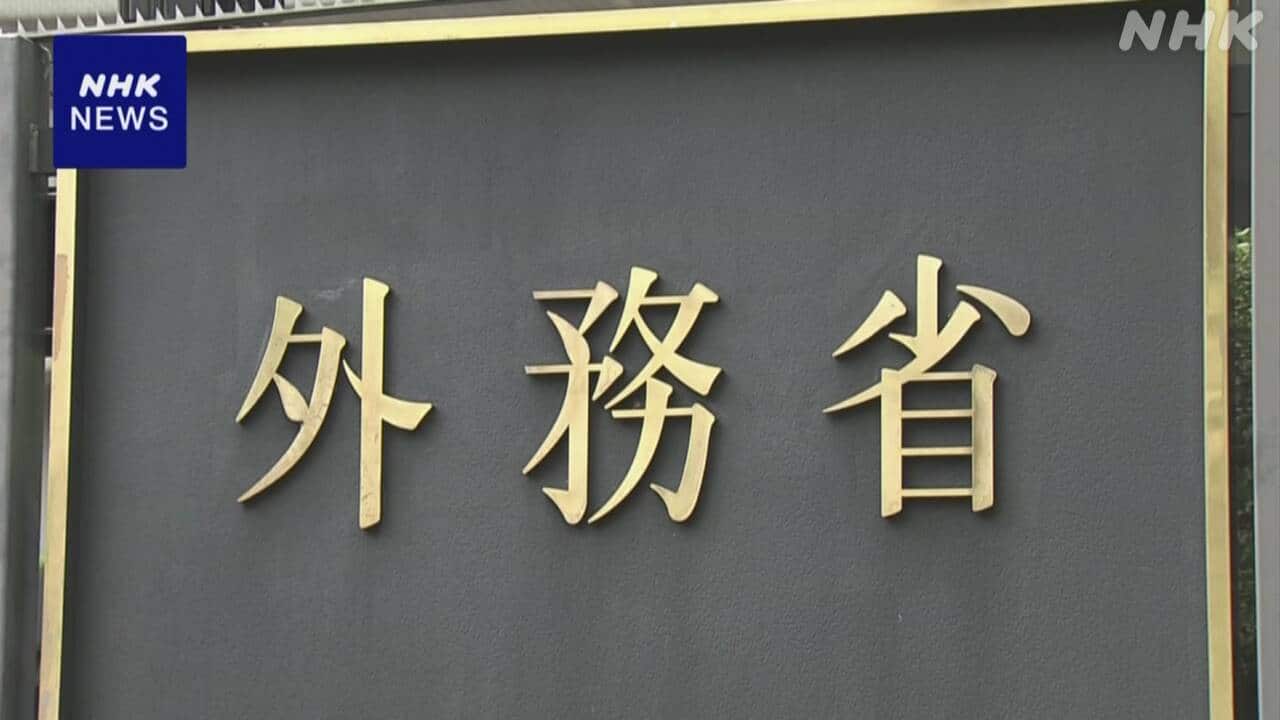
Airspace closures across the Middle East have left many Japanese travelers unable to leave the region. In response, Japan’s Ministry of Foreign Affairs announced that it will provide evacuation support for those affected.
Airspace Closures Leave Travelers Stranded
According to the report, widespread 空域 (kuuiki) — airspace — 閉鎖 (heisa), or closures, are continuing across parts of the 中東 (chuutou), the Middle East. As a result, many Japanese travelers have been unable to complete their 出国 (shukkoku), or departure from the country where they are staying.
When flights cannot operate due to airspace restrictions, international travel quickly becomes complicated. In this case, the closures have made it impossible for some Japanese nationals to leave by air.
Japan’s Government Announces Evacuation Support
The 外務省 (gaimusho), Japan’s Ministry of Foreign Affairs, announced that it will provide 退避 (taihi), or evacuation support.
Those who wish to leave are asked to travel by 陸路 (rikuro), meaning land route, to Saudi Arabia or Oman. After reaching one of these countries over land, the government will assist them further.
The original report uses a formal and important grammar structure:
中東各地で空域の閉鎖が続き、多くの日本人旅行者などが現地から出国できなくなっていることを受けて、外務省は、退避の支援を行うと発表しました。
Chuutou kakuchi de kuuiki no heisa ga tsuzuki, ooku no Nihonjin ryokousha nado ga genchi kara shukkoku dekinaku natte iru koto o ukete, gaimusho wa, taihi no shien o okonau to happyou shimashita.
“In response to the continuing airspace closures across the Middle East and the fact that many Japanese travelers are unable to leave their locations, the Ministry of Foreign Affairs announced it will provide evacuation support.”
Notice how the government frames its action as a direct response to unfolding events. This careful wording is typical in official Japanese announcements.
Cultural Context: The Role of the 外務省
The 外務省 (gaimusho) plays a central role in protecting Japanese citizens overseas. When emergencies occur — whether natural disasters, political instability, or transportation shutdowns — the ministry may coordinate evacuation efforts or provide travel guidance.
Official statements are often written in formal, structured Japanese. You’ll frequently see expressions like 〜ことを受けて (~koto o ukete) in news reports, especially when describing government actions taken in response to specific events.
Understanding this style helps you read Japanese news the way it’s written for native speakers in Japan.
Learn Japanese from This Article
Key Vocabulary
| Japanese | Romaji | Meaning |
|---|---|---|
| 中東 | chuutou | Middle East |
| 空域 | kuuiki | airspace |
| 閉鎖 | heisa | closure, shutdown |
| 出国 | shukkoku | departure from a country |
| 外務省 | gaimusho | Ministry of Foreign Affairs |
| 退避 | taihi | evacuation, refuge |
| 陸路 | rikuro | land route |
These are formal words commonly used in news reports and government statements. They may not appear in everyday conversation, but they are essential for reading authentic Japanese media.
Grammar Spotlight
1️⃣ 〜ことを受けて
Meaning: “In response to…” / “Following…”
Structure: Verb (plain form) + ことを受けて Noun + を受けて
Example from the article:
出国できなくなっていることを受けて、外務省は退避支援を発表しました。 Shukkoku dekinaku natte iru koto o ukete, gaimusho wa taihi shien o happyou shimashita. “In response to people being unable to depart, the Ministry announced evacuation support.”
This expression is common in news and formal writing. It connects a situation to an official reaction.
2️⃣ 〜た上で
Meaning: “After doing…” / “Upon doing…” (formal sequence)
Structure: Verb (past tense) + 上で
Example from the article context:
サウジアラビアとオマーンに陸路で移動した上で、政府が支援します。 Sauji Arabia to Omaan ni rikuro de idou shita ue de, seifu ga shien shimasu. “After traveling by land to Saudi Arabia or Oman, the government will provide support.”
This pattern is often used in formal instructions or procedures. It emphasizes completing one step before the next.
Useful Expressions
- 発表しました (happyou shimashita) — “announced”
- 支援を行う (shien o okonau) — “to carry out support”
- 移動する (idou suru) — “to move; to travel”
You’ll encounter these frequently in official announcements.
Continue Learning
To strengthen your reading skills and understand news articles like this more confidently:
- Reading and Writing in Japanese II: Hiragana and Katakana
- Introduction to Kanji: Pictorial Foundations of Japanese Script
- Basic Vocabulary Building: Embracing Words Without Latin Ties
Each lesson will help you move closer to reading authentic Japanese the way students do in Japan.
これからもよろしくお願いします。 Kore kara mo yoroshiku onegaishimasu.