
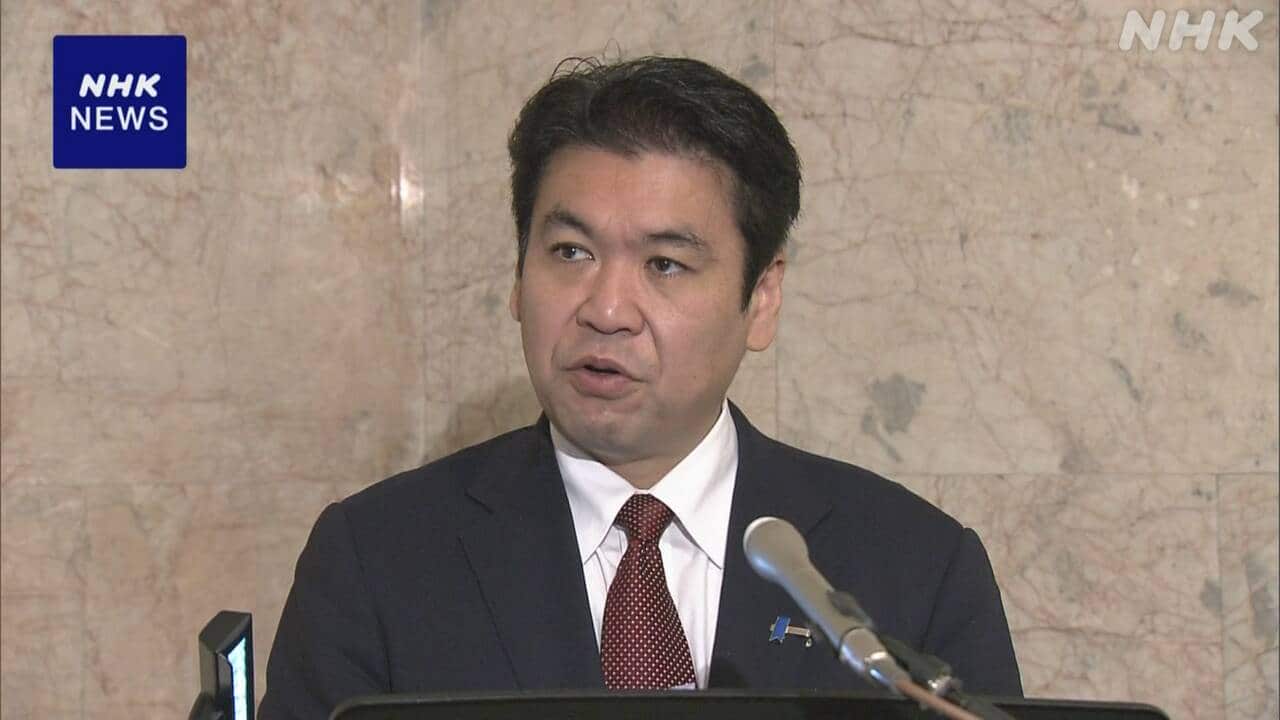
Japan’s Minister of Education, Culture, Sports, Science and Technology has stated that museums should dispose of materials only in unavoidable cases—and only after carefully considering other options.
As storage space becomes a growing issue for museums, the question of whether to include formal rules about disposal in official standards has become a topic of discussion.
Debate Over Museum Collection Disposal
At the center of the issue are 博物館 (hakubutsukan) and the growing number of 資料 (shiryō)—materials and archival items—they preserve. Many museums are facing a practical problem: their 収蔵庫 (shūzōko), or storage rooms for collections, are full.
Because of this, discussions have begun about whether to incorporate specific 規定 (kitei), or regulations, concerning 廃棄 (haiki)—the disposal of materials—into official standards related to museum management.
This issue has become a topic of public and administrative debate, or as the Japanese puts it, 議論になっている (giron ni natte iru), meaning “it has become a matter of discussion.”
Minister Matsumoto’s Position
Regarding this debate, the 文部科学大臣 (Monbu Kagaku Daijin), Minister Matsumoto, addressed the matter.
He stated that disposal should be carried out only when it is unavoidable and after other methods have been considered. In other words, 廃棄 (haiki) is not something to be done casually, but only after careful review of alternative options.
His comments reflect a cautious approach: museums should first explore other solutions before discarding culturally and historically valuable materials.
Cultural Context: Why This Matters in Japan
Museums in Japan often preserve a wide range of items, from historical documents to everyday objects that reflect regional culture. Once a 資料 (shiryō) is discarded, it cannot be recovered.
In Japanese society, there is traditionally a strong respect for preservation—whether it’s cultural artifacts, historical records, or even everyday items. The idea of including disposal 規定 (kitei) in official guidelines related to museum operations raises important questions:
- How do we balance limited space with long-term preservation?
- Who decides what is worth keeping?
- What standards should apply nationwide?
The phrase used in the article, 〜に関する (ni kansuru), meaning “related to” or “concerning,” appears in formal contexts such as government guidelines. For example, standards 博物館の運営などに関する基準 (hakubutsukan no un’ei nado ni kansuru kijun) means “standards related to the operation of museums.”
This kind of language is common in official announcements and policy discussions.
Learn Japanese from This Article
Key Vocabulary
| Japanese | Romaji | Meaning |
|---|---|---|
| 博物館 | hakubutsukan | museum |
| 収蔵庫 | shūzōko | storage room (for collections) |
| 資料 | shiryō | materials; documents; archives |
| 廃棄 | haiki | disposal; discarding |
| 規定 | kitei | regulation; provision |
| 盛り込む | morikomu | to include; to incorporate |
| 議論になる | giron ni naru | to become a topic of discussion |
| 文部科学大臣 | Monbu Kagaku Daijin | Minister of Education, Culture, Sports, Science and Technology |
Try reading this sentence aloud:
基準に廃棄に関する規定を盛り込むかどうかが議論になっている。 Kijun ni haiki ni kansuru kitei o morikomu ka dō ka ga giron ni natte iru. “It has become a topic of discussion whether to include regulations concerning disposal in the standards.”
Notice how multiple formal expressions are layered together—this is typical of news-style Japanese.
Grammar Spotlight
1. 〜に関する (ni kansuru) — “related to; concerning”
This is a formal written expression often used in news and official documents.
Pattern: Noun + に関する + Noun
Example Sentences:
博物館の運営に関する基準 Hakubutsukan no un’ei ni kansuru kijun “Standards related to museum management”
教育に関する問題 Kyōiku ni kansuru mondai “Issues concerning education”
Use this pattern when you want a more formal tone than simply using の.
2. 〜かどうか (ka dō ka) — “whether or not”
This structure is used to express uncertainty or a yes/no question embedded in a sentence.
Pattern: Plain form + かどうか
Example Sentences:
規定を盛り込むかどうかが議論になっている。 Kitei o morikomu ka dō ka ga giron ni natte iru. “Whether to include the regulation has become a topic of discussion.”
廃棄するかどうかを検討する。 Haiki suru ka dō ka o kentō suru. “To consider whether to dispose (of something).”
You’ll see this structure constantly in news reports and formal writing.
Useful Expression
やむをえない場合に Yamu o enai baai ni “In unavoidable cases”
This phrase signals that something is not ideal, but necessary. It often appears in cautious, official statements—just like the minister’s comments here.
Continue Learning
- Reading and Writing in Japanese II: Hiragana and Katakana: Curious about the Japanese used here? Our Reading and Writing in Japanese II: Hiragana and Katakana lesson covers this in depth.
- Introduction to Kanji: Pictorial Foundations of Japanese Script: Working on your reading skills? Our Introduction to Kanji: Pictorial Foundations of Japanese Script lesson is a great next step.
- Basic Vocabulary Building: Embracing Words Without Latin Ties: Curious about the Japanese used here? Our Basic Vocabulary Building: Embracing Words Without Latin Ties lesson covers this in depth.
Preserving language and preserving culture go hand in hand. By reading real Japanese news like this, you’re training your eye for formal structures, policy vocabulary, and authentic expressions used in modern Japan.
これからもよろしくお願いします。 Kore kara mo yoroshiku onegaishimasu.