
On March 3, 2026, Rocket News did something unusual: it stepped into politics. The site usually avoids political topics—but this time, it said it had no choice but to investigate.
The reason? A face-to-face meeting between Prime Minister Takaichi and Ishii Naoko, a member of the House of Councillors from Nippon Ishin no Kai. During their 対面 (taimen) meeting, Ishii handed the prime minister a mysterious item while chatting in what the article describes as a “girls’ talk” atmosphere.
What was exchanged in that quiet 授受 (juju)—that act of giving and receiving?
A “Grave Problem” Worth Investigating?
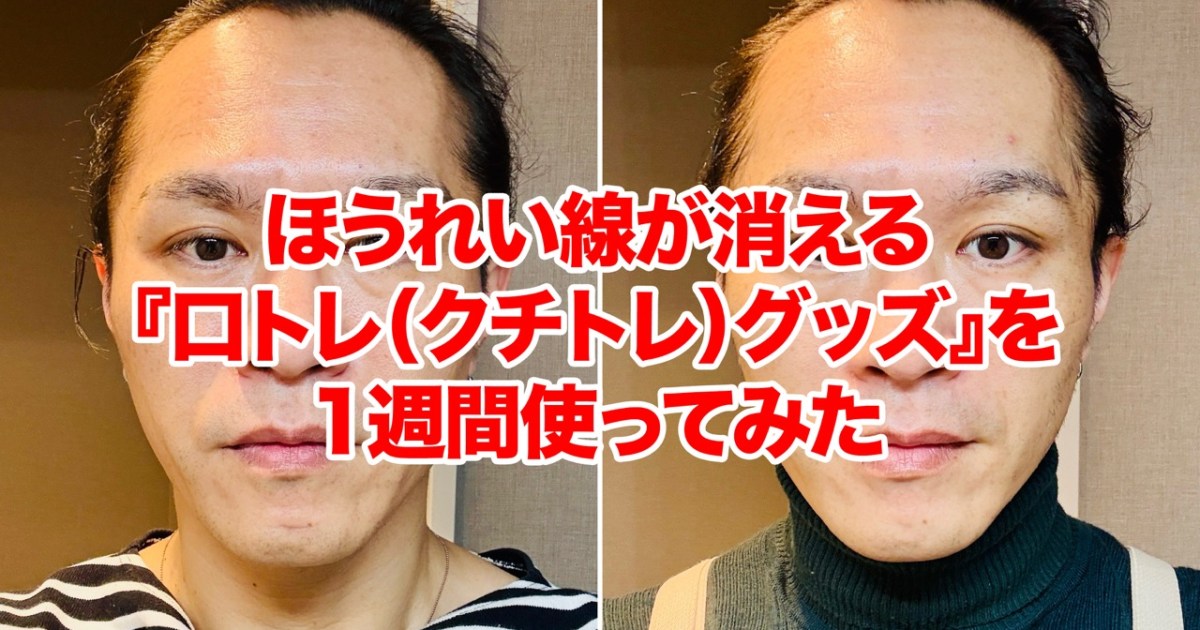
According to Ishii’s own YouTube channel, the topic of conversation was a “mouth training” device that makes ほうれい線 (houreisen)—nasolabial folds or smile lines—disappear.
The claims were bold:
- “Just 3 minutes is OK.”
- “You can use it in the bath.”
- “The smile lines really disappear (they disappeared).”
The article insists this is 看過できない (kanka dekinai)—something that cannot be overlooked. After all, Ishii herself reportedly doesn’t have noticeable smile lines.
The device was wrapped in paper, so its identity was hidden. Rocket News dramatically calls this a 由々しき問題 (yuyushiki mondai)—a grave problem. As media, and as citizens, they felt they had to 追及する (tsuikyuu suru)—investigate it thoroughly.
Notice how strong these words are. Japanese news writing often uses slightly exaggerated, almost theatrical phrasing to create humor and tension.
Just When You Think… (〜と思いきや)
The article builds suspense—then flips it.
Just when they thought the mystery would require serious digging, Ishii uploaded another YouTube video the very next day.
And there, not only Prime Minister Takaichi but even Finance Minister Katayama showed interest in the “mouth training” device.
The identity of the product was revealed without hesitation.
The item Ishii handed over was apparently called クチトレプラス (kuchitore purasu). It is described as a genuine medical device researched at a university.
Mystery solved—right?
…But the Writer Had Already Investigated
Here’s where the humor comes in again.
The writer admits to being impatient. Before watching the second video that revealed the answer, they used AI and conducted their own independent investigation into what the device might be.
The result?
They landed on a different product: パタカラプレミアム (patakara puremiamu), priced at around 10,000 yen.
The article doesn’t confirm whether that guess was correct—only that this was the writer’s pre-reveal conclusion.
Cultural Context: Beauty, Politics, and Humor
Smile lines—ほうれい線 (houreisen)—are a common topic in Japanese beauty culture. Many beauty products and exercises claim to reduce them, especially for women over 40.
What makes this story interesting is the contrast: high-ranking politicians engaging in casual “girls’ talk” about anti-aging devices.
Rocket News frames it humorously, using dramatic vocabulary like:
- 切り込む (kirikomu) — to cut into (an issue)
- 追及する (tsuikyuu suru) — to pursue or investigate
- 由々しき問題 (yuyushiki mondai) — a grave problem
The tone is intentionally over-the-top. This is a common Japanese media style: treating something relatively light (a beauty gadget) as if it were a major political scandal—for comedic effect.
Learn Japanese from This Article
Let’s break down key vocabulary and grammar you can use in real life.
Key Vocabulary
| Japanese | Romaji | Meaning |
|---|---|---|
| 切り込む | kirikomu | to cut into; to tackle an issue |
| 対面 | taimen | face-to-face meeting |
| 授受 | juju | giving and receiving; exchange |
| 追及する | tsuikyuu suru | to investigate; to pursue |
| 看過できない | kanka dekinai | cannot overlook |
| ほうれい線 | houreisen | nasolabial folds; smile lines |
| 由々しき問題 | yuyushiki mondai | a grave/serious problem |
Try using one of these in your own sentence:
- それは看過できない問題です。 Sore wa kanka dekinai mondai desu. “That’s a problem we can’t ignore.”
Grammar Spotlight
1. 〜ざるを得ない
“Have no choice but to…”
From the article: > 政治に切り込んでいかざるを得ない。 > Seiji ni kirikonde ikazaru o enai. > “We have no choice but to tackle politics.”
Pattern:
- Verb (nai-stem) + ざるを得ない
Examples:
行かざるを得ない。 Ikazaru o enai. “I have no choice but to go.”
認めざるを得ません。 Mitomezaru o emasen. “I can’t help but admit it.”
This is slightly formal and often used in writing or serious speech.
2. 〜と思いきや
“Just when you think…; contrary to expectations…”
From the article: > ──と思いきや… > “Just when we thought…”
Pattern:
- Short form + と思いきや
Examples:
簡単だと思いきや、意外と難しい。 Kantan da to omoikiya, igai to muzukashii. “Just when you think it’s easy, it’s surprisingly hard.”
終わったと思いきや、まだ続いていた。 Owatta to omoikiya, mada tsuzuite ita. “Just when I thought it was over, it was still continuing.”
You’ll often see this in articles and storytelling.
Useful Expressions
- 気になる! (Ki ni naru!) — “I’m curious!”
- 欲しいぞ! (Hoshii zo!) — “I want it!” (casual, emphatic)
- OK is frequently used in Japanese speech just like English.
Continue Learning
Want to strengthen your foundation so articles like this feel easier every time?
- Want to understand the verb forms used here? Check out Masu Form: Mastering Polite Everyday Speech.
- Curious about the Japanese used here? Our Greetings and Self-Introductions: Authentic Entry Phrases lesson covers this in depth.
- Ready to dive deeper? Our lesson on Basic Vocabulary Building: Embracing Words Without Latin Ties will help you master these concepts.
Japanese news often mixes serious vocabulary with playful exaggeration. When you learn to spot that tone, you’re not just translating—you’re understanding how Japanese writers think.
And that’s when reading real Japanese becomes truly fun.
これからもよろしくお願いします。 Kore kara mo yoroshiku onegaishimasu.