
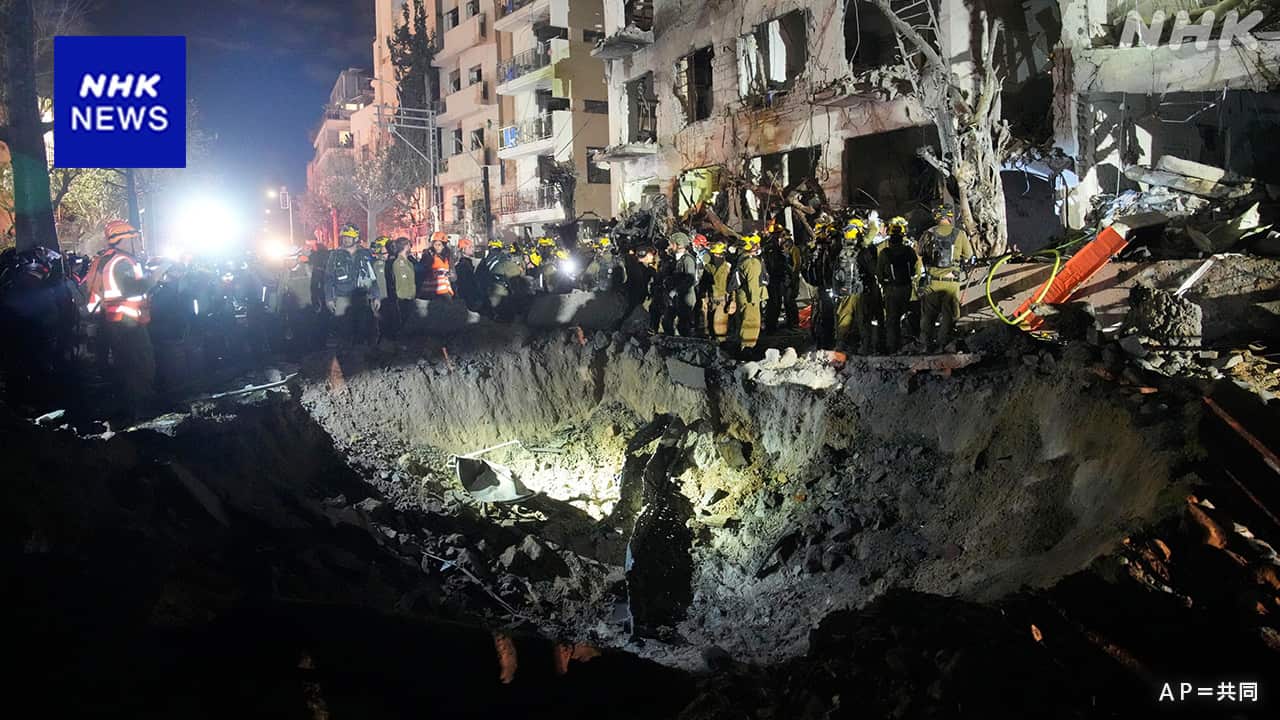
On March 1, 2026, the United States and Israel began a large-scale 攻撃 (kougeki, attack) against Iran, and according to NHK, Iran’s 最高指導者 (saikou shidousha, supreme leader), Ayatollah Khamenei, was 殺害する (satsugai suru, assassinated).
The report states that the attacks are continuing, with the stated aim of weakening Iran’s leadership and potentially bringing about broader political change. Meanwhile, Iran has indicated it will carry out intense 報復攻撃 (houfuku kougeki, retaliatory attacks), raising concerns about further escalation.
Ongoing Attacks and Strategic Goals
The United States and Israel are described as continuing their military operations against Iran. According to the report, they are acting with the intention of 政権 (seiken, administration or regime) 弱体化 (jakutaika, weakening) and even 体制の転換 (taisei no tenkan, regime change or shift in system*).
In Japanese, the article uses the expression:
- 体制の転換をねらって攻撃を続ける構えです。 Taisei no tenkan o neratte kougeki o tsuzukeru kamae desu. “They are prepared to continue attacks aiming at regime change.”
Two key phrases here are extremely useful for advanced learners:
- 〜をねらって (~ o neratte) — “aiming at,” “with the intention of”
- 〜構えです (~ kamae desu) — “showing readiness to,” “prepared to”
These expressions often appear in political and economic reporting.
Iran’s Response and Escalation Concerns
The report also states that Iran plans to conduct strong 報復攻撃 (houfuku kougeki, retaliatory attacks). The word 報復 (houfuku) means “retaliation,” and when combined with 攻撃 (kougeki, attack), it forms a term frequently used in news coverage of military conflict.
Because both sides are continuing military action, there are growing concerns about the expansion of armed conflict. In Japanese news, the term 軍事衝突 (gunji shoutotsu, military clash) is commonly used to describe direct military engagement between nations.
Cultural Context: Political Language in Japanese News
Japanese news reporting tends to use precise, formal vocabulary when covering international conflict. Words like:
- 最高指導者 (saikou shidousha)
- 政権 (seiken)
- 体制の転換 (taisei no tenkan)
are politically loaded but presented in a neutral, factual tone. This reflects a broader tendency in Japanese journalism to avoid emotional language and instead rely on structured, institutional terms.
For learners, this type of reporting is excellent practice. It exposes you to:
- Formal kanji compounds (熟語 jukugo)
- Passive-style reporting
- Strategic phrases like 〜をねらって and 〜構えです
Understanding this style helps you read Japanese news the way native readers do.
Learn Japanese from This Article
Key Vocabulary
| Japanese | Romaji | Meaning |
|---|---|---|
| 攻撃 | kougeki | attack |
| 最高指導者 | saikou shidousha | supreme leader |
| 殺害する | satsugai suru | to kill, to assassinate |
| 政権 | seiken | administration, regime |
| 弱体化 | jakutaika | weakening |
| 体制の転換 | taisei no tenkan | regime change, shift in system |
| 報復攻撃 | houfuku kougeki | retaliatory attack |
| 構え | kamae | stance; readiness |
Grammar Spotlight
1. 〜をねらって
Structure: Noun + をねらって
Meaning: aiming at; with the intention of
Example from the article:
- 体制の転換をねらって攻撃を続ける。 Taisei no tenkan o neratte kougeki o tsuzukeru. “Continue attacks aiming at regime change.”
More examples:
- 売上増加をねらって新商品を発売した。 Uriage zouka o neratte shinshouhin o hatsubai shita. “They released a new product aiming to increase sales.”
This pattern is very common in news and business Japanese.
2. 〜構えです
Structure: Verb (dictionary form) + 構えです
Meaning: showing readiness to; prepared to; indicating intention to
Example:
- 攻撃を続ける構えです。 Kougeki o tsuzukeru kamae desu. “They are prepared to continue attacks.”
This expression often appears in formal reporting and political analysis.
Useful Expressions from the Article
報復攻撃を行うとしている。 Houfuku kougeki o okonau to shite iru. “They are indicating that they will carry out retaliatory attacks.”
軍事衝突の拡大が懸念されている。 Gunji shoutotsu no kakudai ga kenen sarete iru. “There are concerns about the expansion of military clashes.”
These passive-style expressions are common in objective news reporting.
Continue Learning
Ready to strengthen your reading skills so you can follow real Japanese news on your own?
- Reading and Writing in Japanese II: Hiragana and Katakana: Ready to dive deeper? Our lesson on Reading and Writing in Japanese II: Hiragana and Katakana will help you master these concepts.
- Introduction to Kanji: Pictorial Foundations of Japanese Script: Working on your reading skills? Our Introduction to Kanji: Pictorial Foundations of Japanese Script lesson is a great next step.
- Basic Vocabulary Building: Embracing Words Without Latin Ties: Ready to dive deeper? Our lesson on Basic Vocabulary Building: Embracing Words Without Latin Ties will help you master these concepts.
Serious news stories like this may feel challenging at first, but they are one of the best ways to build real-world Japanese reading ability. Each compound word you learn brings you closer to reading the news the way people in Japan do.
これからもよろしくお願いします。 Kore kara mo yoroshiku onegaishimasu.