
On February 2, SoftBank announced a new service that can transform shouted, angry voices over the phone into calm ones. The AI-powered solution, now being offered as part of a customer harassment countermeasure called SoftVoice, is designed especially for call centers.
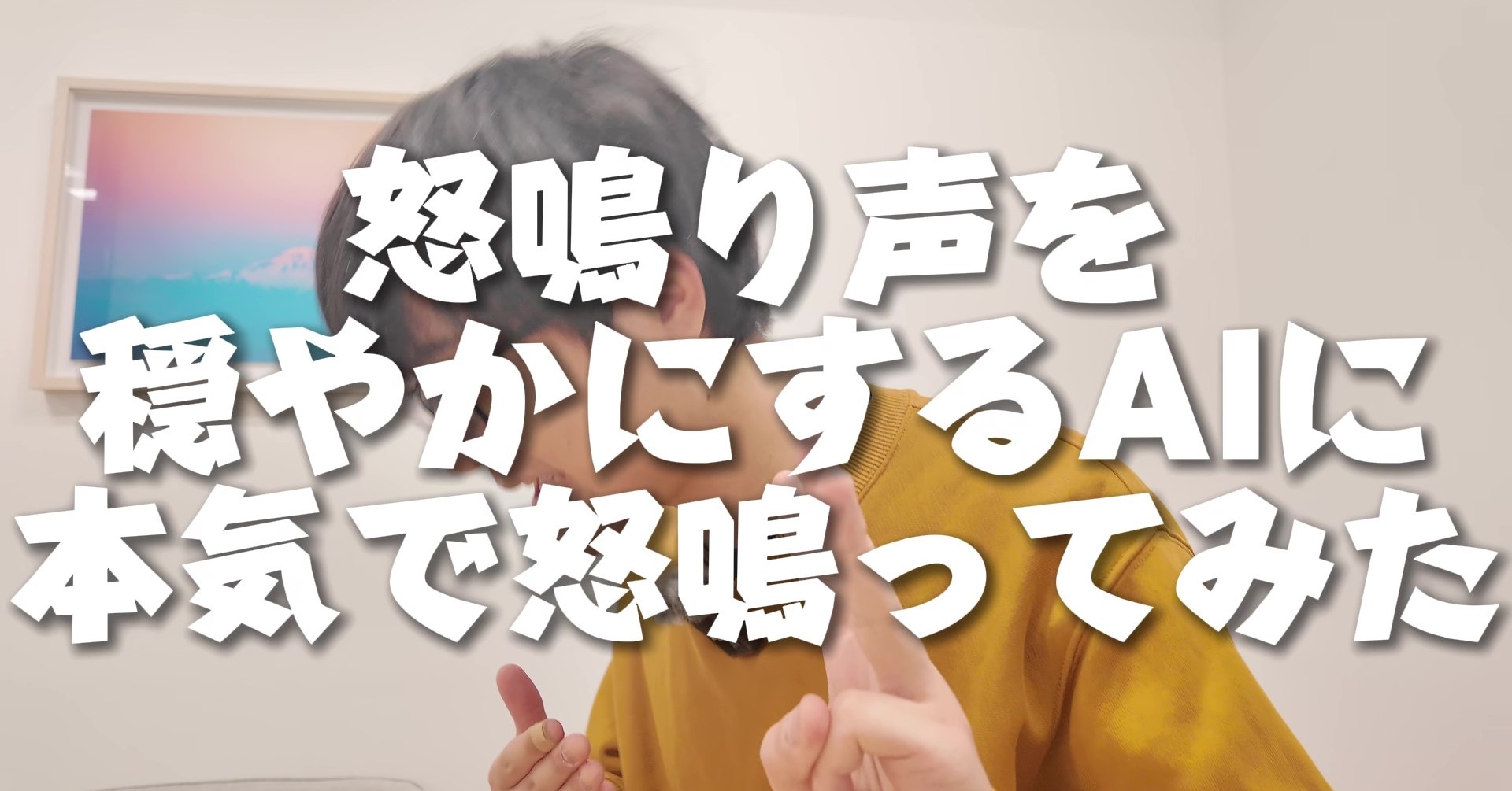
But one obvious question followed: what actually happens if someone really screams into the phone? A reporter put the system to the test—shouting at full volume to see just how gentle the AI could make it sound.
What Is SoftVoice?
SoftVoice is a business ソリューション (soryuushon, solution) that works with internet-based softphones installed on a PC. The lightweight AI runs on a standard CPU(シーピーユー) (shii pii yuu) or GPU(ジーピーユー) (jii pii yuu), meaning companies don’t need special hardware.
The system is aimed at helping call center オペレーター (opereetaa, operators) deal with abusive customers. Without changing the actual words spoken, the AI alters only the tone and intonation of the caller’s voice, making it sound calmer and less intimidating.
Operators can:
- Choose from up to 150 different voice types
- Adjust intonation on 10 levels, from 0.1 to 1
- Trigger warning messages if a call becomes abusive or threatening
If a conversation becomes excessively long or includes threatening language, the operator can request approval from a manager. Once approved, a warning message can be played. There are three escalating warning levels, depending on the situation.
The service costs 50,000 yen per month (before tax) for 10 IDs.
What Happens When You Actually Shout?
To test the system, the reporter visited SoftBank’s office and shouted into a smartphone. The transformed voice was noticeably flatter and calmer than expected.
The sense of loud intimidation was clearly reduced. However, because the AI only changes tone—not word choice—the emotional impact of harsh language remains. If someone calmly delivers insults in a steady voice, the effect may not be reduced very much.
From the reporter’s experience, there was little noticeable delay. The call felt about the same as a regular phone conversation.
Originally, the team considered using a クラウド (kuraudo, cloud)-based AI that would convert speech to text and then read it back aloud. However, the delay was too large. Instead, they developed:
- An AI model that analyzes phonemes, intonation, and frequency
- Another AI model that synthesizes speech 〜を基にして (based on) that analysis
By making both models lightweight, they achieved low latency suitable for real-time calls.
The system’s UI(ユーアイ) (yuu ai, user interface) allows operators to adjust settings easily during conversations.
Future Development and Expansion
According to Toshiyuki Nakatani and Toshio Imamura, who were involved in development, SoftBank plans to strengthen cooperation with PBX(ピービーエックス) (pii bii ekkusu) vendors (Private Branch Exchange providers) to expand the service.
While similar technologies are being developed by other companies, Imamura emphasized that creating a lightweight AI model capable of stable phone voice conversion—even on ordinary office PCs—is not easy.
There are still areas for improvement. Nakatani mentioned that the team wants to refine accuracy by narrowing down sounds that AI struggles with and further adjusting intonation levels. They plan to improve the service based on on-site フィードバック (fiidobakku, feedback) from users.
Cultural Context: Customer Harassment in Japan
Customer harassment—often shortened to “kasuhara” (from customer harassment)—has become a serious issue in Japan. Call center workers and service staff are expected to remain polite under extreme pressure, reflecting Japan’s strong customer service culture.
Traditionally, the customer is seen as お客様は神様 (okyakusama wa kamisama, “the customer is like a god”). However, as expectations rise, so does abuse. Technology like SoftVoice reflects a growing awareness that employees also deserve protection.
Rather than confronting customers directly, this solution quietly reduces emotional stress by softening aggressive tones—an approach that aligns with Japan’s preference for indirect conflict management.
Learn Japanese from This Article
Key Vocabulary
| Japanese | Romaji | Meaning |
|---|---|---|
| ソリューション | soryuushon | business/tech solution |
| オペレーター | opereetaa | operator (call center staff) |
| クラウド | kuraudo | cloud (cloud computing) |
| PBX(ピービーエックス) | pii bii ekkusu | Private Branch Exchange |
| CPU(シーピーユー) | shii pii yuu | Central Processing Unit |
| GPU(ジーピーユー) | jii pii yuu | Graphics Processing Unit |
| UI(ユーアイ) | yuu ai | user interface |
| フィードバック | fiidobakku | feedback |
| 抑揚 | yokuyou | intonation |
| 声色 | koeiro | tone of voice |
Notice how many technical terms are written in katakana. Modern Japanese business and tech language uses a large number of loanwords.
Grammar Spotlight
1. 〜に応じて
Meaning: depending on / according to
Structure: Noun + に応じて
Example:
- 状況に応じて、警告レベルを変える。 Joukyou ni oujite, keikoku reberu o kaeru. “Change the warning level depending on the situation.”
This pattern is very common in business Japanese. It implies adjusting actions flexibly.
2. 〜を基に(して)
Meaning: based on
Structure: Noun + を基に(して)
Example:
- 分析結果を基にして、音声を合成する。 Bunseki kekka o moto ni shite, onsei o gousei suru. “Synthesize speech based on the analysis results.”
You’ll often see this in technical explanations and academic writing.
Useful Expression
- 発言内容は変えず、声色だけを変える。 Hatsugen naiyou wa kaezu, koeiro dake o kaeru. “Without changing the spoken content, only the tone of voice is changed.”
The pattern 〜ず means “without doing.” It’s a slightly formal written style.
Continue Learning
To understand more about time expressions such as dates and event periods mentioned in news articles, explore our Time and Dates: Tense-Free Expressions
Technology articles like this are full of modern business Japanese. As you read, pay attention to katakana vocabulary and formal grammar patterns—they’re exactly what you’ll encounter in real Japanese workplaces.
これからもよろしくお願いします。 Kore kara mo yoroshiku onegaishimasu.