
“Your short scary or mysterious experiences are now being accepted.”
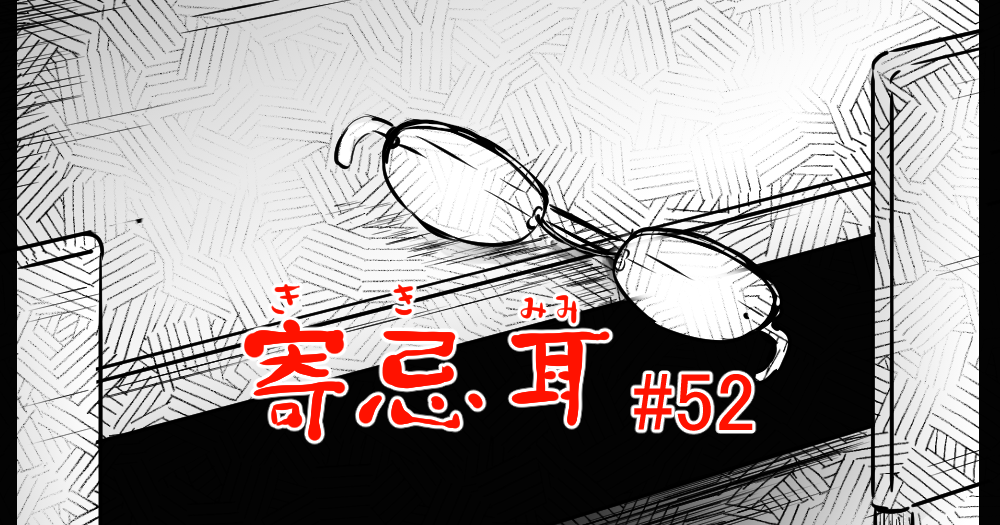
That’s the simple but chilling invitation from Rocket News in their ongoing reader-submission series, 寄忌耳(キキミミ)第52話「癖」 — Episode 52: “Habit.” The series collects real-life 体験 (taiken, experiences) involving 恐怖 (kyoufu, fear) and 不思議 (fushigi, mysterious or strange events).
And right now, they’re actively looking for more.
A Call for Your Scary Stories
The article announces:
あなたの体験した短い恐怖体験、不思議な体験を募集中!ご応募お待ちしております。 Anata no taiken shita mijikai kyoufu taiken, fushigi na taiken o boshuuchuu! Go-oubo omachi shite orimasu. “We are currently accepting your short scary or mysterious experiences! We look forward to your submissions.”
Let’s break that down naturally, the way you’d encounter it in Japan.
- 体験 (taiken) means “experience,” especially something personally lived.
- 恐怖 (kyoufu) refers to fear or terror.
- 不思議 (fushigi) describes something strange, mysterious, or unexplainable.
- 募集中 (boshuuchuu) means “currently recruiting” or “now accepting.”
- ご応募 (go-oubo) is a polite way to say “your application” or “your submission.”
- 大募集 (daiboshuu) emphasizes that they are eagerly and widely accepting entries.
You’ll also see navigation phrases like:
- 前の話へ (Mae no hanashi e) — “To the previous story”
- 第1回から読む (Dai ikkai kara yomu) — “Read from the first episode”
These are common on Japanese websites, especially for serialized content like manga.
The illustrations for this series are credited to ザックKT-4 (Zakku KT-4), the manga artist behind the visual storytelling.
Cultural Context: Why Short Horror Is So Popular
Japan has a long tradition of short-form horror storytelling. From classical ghost tales told during summer gatherings to modern online submissions, concise stories that focus on atmosphere and suggestion are especially popular.
The phrase ショートホラー体験 (shooto horaa taiken, “short horror experience”) reflects this style. Rather than long, detailed narratives, these stories often capture a single unsettling moment — a sound, a habit, a strange coincidence.
The title 寄忌耳(キキミミ) plays on sound and meaning, evoking the idea of something heard or whispered — fitting for a series built around eerie personal accounts.
Learn Japanese from This Article
Let’s turn this announcement into a practical learning opportunity.
Key Vocabulary
| Japanese | Romaji | Meaning |
|---|---|---|
| 体験 | taiken | experience |
| 恐怖 | kyoufu | fear, terror |
| 不思議 | fushigi | mysterious, strange |
| 募集中 | boshuuchuu | currently accepting/recruiting |
| ご応募 | go-oubo | your application (polite) |
| 大募集 | daiboshuu | now accepting many entries |
| 前の話 | mae no hanashi | previous story |
| 第1回 | dai ikkai | first episode/installment |
Notice how many of these words appear frequently in everyday Japanese websites — not just horror series.
Grammar Spotlight 1: 〜ている (Ongoing State)
In the sentence:
ご応募お待ちしております。 Go-oubo omachi shite orimasu. “We are waiting for your submission.”
The phrase 待ちしております comes from 待っている (matte iru), meaning “to be waiting.”
The pattern 〜ている indicates:
- An ongoing action
- Or a current state
Examples:
雨が降っている。 Ame ga futte iru. “It is raining.”
今、募集している。 Ima, boshuu shite iru. “We are currently accepting applications.”
In formal writing, 〜ている often becomes 〜ております, which sounds more polite and humble.
Grammar Spotlight 2: お/ご + 〜 + する (Polite/Humble Form)
The phrase:
ご応募お待ちしております。
Contains two important politeness features.
- ご応募 — adding ご to make “submission” more respectful.
- お待ちしております — a humble way to say “we are waiting.”
The pattern:
- お/ご + noun + する
- お/ご + verb stem + する
Examples:
ご連絡します。 Go-renraku shimasu. “I will contact you.” (polite)
お知らせします。 O-shirase shimasu. “I will inform you.”
This kind of language is extremely common in announcements, customer service messages, and websites in Japan. Mastering it helps you understand real-world Japanese, not just textbook dialogue.
Useful Expression
募集中! Boshuuchuu! “Now accepting!”
You’ll see this everywhere in Japan:
- Job ads
- Event participation
- Contest entries
- Club members
It’s short, practical, and very useful to recognize.
Continue Learning
📚 Want to understand the verb forms used here? Check out Masu Form: Mastering Polite Everyday Speech.
📚 Ready to dive deeper? Our lesson on Greetings and Self-Introductions: Authentic Entry Phrases will help you master these concepts.
📚 Want to learn more about lifestyle? Check out our lesson on Basic Vocabulary Building: Embracing Words Without Latin Ties.
Basic Vocabulary Building: Embracing Words Without Latin Ties
これからもよろしくお願いします。 Kore kara mo yoroshiku onegaishimasu.