
Tokyo App Campaign: Get 11,000 Points and Learn Japanese!
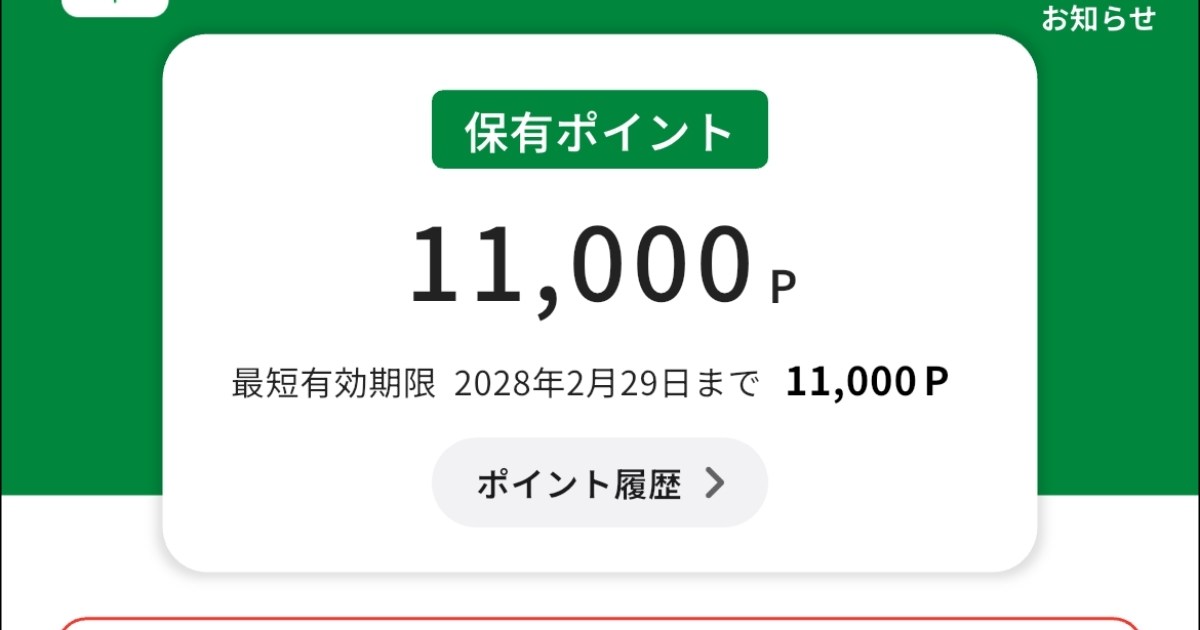
Ever wondered what it’s like to navigate Japan’s digital landscape as a local? On February 2, 2026, the Tokyo Metropolitan Government launched a surprising initiative that’s got everyone talking: the 東京アプリ生活応援事業 (Tōkyō Apuri Seikatsu Ōen Jigyō), or "Tokyo App Life Support Project." This campaign offers 11,000 points—equivalent to 11,000 yen—to Tokyo residents over 15 who hold a マイナンバーカード (mainanbā kādo), Japan’s national ID card. It’s a generous move, described by many as 太っ腹 (futoppara), meaning big-hearted. But how do you get these points, and what can this teach us about Japanese language and culture? Let’s dive into the details, walk through the process, and pick up some authentic Japanese along the way!
Unpacking the Tokyo App Campaign
At the core of this initiative is the 東京アプリ (Tōkyō Apuri), or Tokyo App, a digital platform rolled out by the Tokyo government. If you’re a resident aged 15 or older with a マイナンバーカード, you’re eligible for these ポイント (pointo), which can be exchanged for real money through popular payment services. The goal is twofold: to provide financial 支援 (shien), or support, to residents and to push for greater adoption of digital tools in a country often hesitant about tech in personal transactions.
Downloading the app is the first step, but here’s where it gets a bit tricky. You’ll also need a second app called the デジタル認証アプリ (Dejitaru Ninshō Apuri), or Digital Authentication App, to handle the 認証 (ninshō), or verification, of your ID. I thought one app would cover everything, but in true Japanese bureaucratic fashion, a separate 手続き (tetsuzuki), or procedure, is required. So, make sure both apps are installed to save yourself some frustration!
Applying for Your Points: What to Expect
The 申請 (shinsei), or application process, is surprisingly quick—under five minutes if you’ve got everything ready. Log into the 東京アプリ, link it with the authentication app to scan your ID, and submit. I applied on February 3rd and, like many, kept refreshing to see if my ポイント had been credited. According to the app (アプリによると, apuri ni yoru to), it could take a few days to a week due to high demand. Thankfully, by February 5th, I got a notification—my 11,000 points were ready, faster than expected!
Where to Spend Your Digital Windfall
Once you’ve got your points, the next step is 交換 (kōkan), or exchange, into a payment service. Options include au PAY, dポイント (d Pointo), メルカリポイント (Merukari Pointo), 楽天ペイ (Rakuten Pei), and Vポイント (V Pointo). I went with 楽天キャッシュ (Rakuten Kyasshu) since I use it often, and the process was seamless. One tip: once you exchange, there’s no reversing it, so choose carefully. I later regretted not waiting for a bonus campaign on dポイント that could’ve boosted my total. Timing matters!
Cultural Context: Japan’s Digital Push
This campaign isn’t just about free money—it’s a window into Japan’s struggle to modernize public services. The マイナンバーカード, launched in 2016, was meant to simplify everything from taxes to healthcare. Yet, adoption has been slow due to privacy concerns and a cultural love for paper-based systems. Initiatives like this, backed by the デジタル庁 (Dejitaru Chō), or Digital Agency, aim to change that. Still, needing two apps for one process reflects a classic Japanese bureaucratic quirk—efficiency often bows to protocol. For locals, navigating such systems is almost a rite of passage, blending frustration with familiarity.
This also ties into the value of 支援 (shien), or support, deeply rooted in Japanese society. Local governments often roll out benefits to ease economic burdens, especially in costly cities like Tokyo. For learners, this story shows how Japan balances tradition with modernity, often in ways that feel both cutting-edge and oddly complex.
Learn Japanese from This Article
If you’ve ever wanted to learn Japanese the way it’s taught in Japan—not through rigid textbooks but by diving into real-life contexts—this campaign offers a perfect opportunity. Let’s break down some key vocabulary, grammar, and expressions you can use to talk about digital life in Japan.
Key Vocabulary
| Japanese | Romaji | Meaning |
|---|---|---|
| マイナンバーカード | mainanbā kādo | My Number Card (national ID) |
| ポイント | pointo | points (reward or digital currency) |
| 申請 | shinsei | application, request (formal) |
| 手続き | tetsuzuki | procedure, process |
| 交換 | kōkan | exchange, swap |
| 認証 | ninshō | authentication, verification |
| 太っ腹 | futoppara | generous, big-hearted |
Grammar Spotlight
Let’s look at two useful patterns that popped up while exploring this campaign. These are taught in Japanese schools and used daily by native speakers.
〜が必要だ (ga hitsuyō da) - is necessary, is needed
- Structure: Noun + が + 必要だ
- Meaning: Used to express that something is required or needed.
- Examples:
- マイナンバーカードが必要だ。 (Mainanbā kādo ga hitsuyō da.) - A My Number Card is necessary.
- この手続きにはアプリが必要だ。 (Kono tetsuzuki ni wa apuri ga hitsuyō da.) - An app is needed for this procedure.
- 認証が必要だ。 (Ninshō ga hitsuyō da.) - Authentication is necessary.
- When to Use: This is a formal yet common way to state requirements, especially in official contexts like applications or instructions.
〜によると (ni yoru to) - according to
- Structure: Source + によると
- Meaning: Used to cite a source of information, similar to “according to” in English.
- Examples:
- アプリによると、ポイントは数日かかる。 (Apuri ni yoru to, pointo wa sūjitsu kakaru.) - According to the app, the points take a few days.
- ニュースによると、キャンペーンは大人気だ。 (Nyūsu ni yoru to, kyanpēn wa daininki da.) - According to the news, the campaign is very popular.
- When to Use: Perfect for referencing information from apps, news, or people in a natural, conversational way.
Useful Expression
- 太っ腹だね! (Futoppara da ne!) - That’s so generous!
- Use this to comment on someone’s generosity, like Tokyo’s government giving out 11,000 points. It’s casual and often used with a tone of admiration or surprise.
Continue Learning
Want to dive deeper into the Japanese language used in real-life contexts like this one? Check out these lessons from "Japanese from Japan" to build your skills:
- Numbers and Counters: Contextual Counting Systems: To understand more about numbers, explore our Numbers and Counters: Contextual Counting Systems lesson.
- Wa vs. Ga: Emphasizing Importance in Sentences: To understand more about は, explore our Wa vs. Ga: Emphasizing Importance in Sentences lesson.
- Ni, De, and E: Mapping Directions and Locations: Curious about the Japanese used here? Our Ni, De, and E: Mapping Directions and Locations lesson covers this in depth.
Learning Japanese isn’t just about memorizing words—it’s about understanding the culture and context behind them. Keep exploring with us, and you’ll be speaking like a local in no time!
これからもよろしくお願いします。 Kore kara mo yoroshiku onegaishimasu.