
Dive into Japan's Snack Heaven: HAPPY SHOP for Happy Turn Lovers
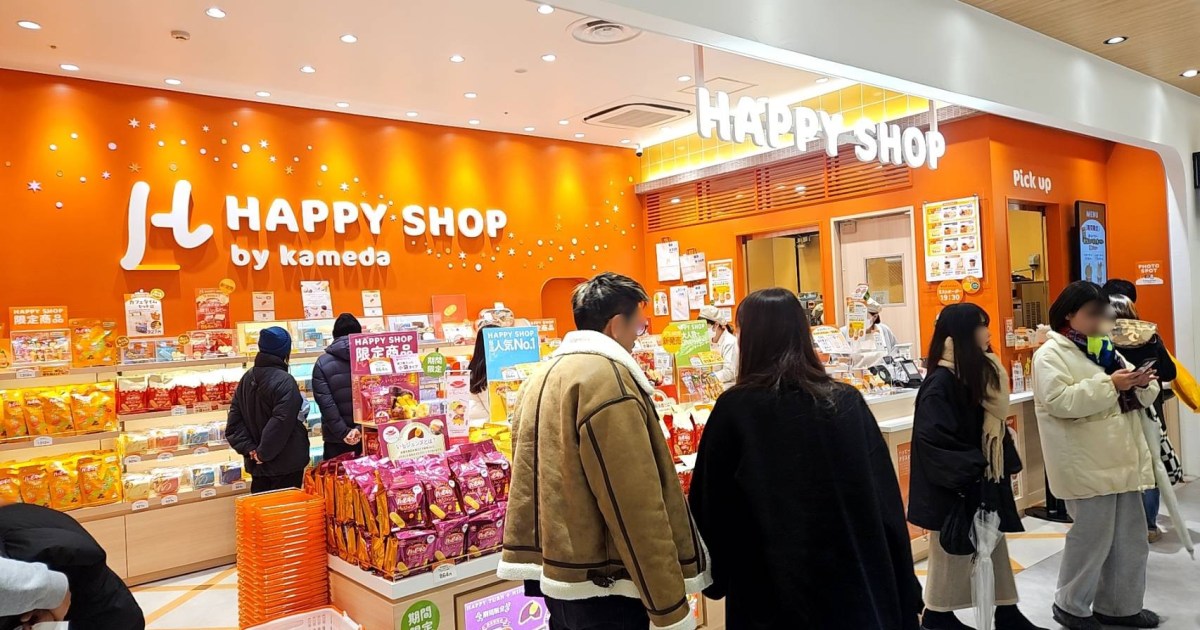
Imagine walking into a bright orange wonderland, the air buzzing with the sweet-and-salty scent of a beloved Japanese snack. If you’ve ever dreamed of immersing yourself in authentic Japanese flavors, then let me introduce you to HAPPY SHOP, a specialty store in Niigata, Japan, dedicated to the iconic ハッピーターン (Happī Tān, Happy Turn). This isn’t just a store—it’s a cultural experience, a treasure trove of exclusive treats, and a perfect way for Japanese learners like you to explore the language and traditions of Japan through something as everyday as a snack. Let’s dive into this delicious story, courtesy of a recent feature by Rocket News, and uncover some linguistic gems along the way.
A Shrine to Happy Turn in Niigata
Tucked inside CoCoLo, a shopping center linked directly to Niigata Station, HAPPY SHOP is impossible to miss with its vibrant orange decor mirroring the snack’s iconic packaging. For fans of ハッピーターン (Happī Tān), this place is paradise. The 陳列 (chinretsu, display) of products is staggering, featuring flavors and packs you won’t find anywhere else. From 限定 (gentei, limited) regional varieties to premium versions called HAPPY Turn’s (Happī Tānzu), there’s something for everyone. They even offer curated sets like the Café Time Set (927 yen, tax included), which includes 10 pieces of HAPPY Turn’s, a coffee drip pack, and a cute paper bag—perfect as an お土産 (omiyage, souvenir) for friends or family.
The real stars, though, are the ultra-rare exclusives. Picture yourself munching on ハッピーターン 佐渡バター風味 (Happī Tān Sado Batā Fūmi, Sado Butter Flavor) with its 芳醇 (hōjun, rich) taste, or the ハッピーターン 練乳いちご風味 (Happī Tān Rennyū Ichigo Fūmi, Condensed Milk Strawberry Flavor), made with Niigata’s local 越後姫 (Echigo Hime) strawberry powder for a fruity, creamy burst. Each pack has about 28 pieces (split into 4 bags) for 864 yen. And if you’re looking for the ultimate haul, the ご当地アソート (Gotōchi Asōto, Regional Assortment) pack offers 42 pieces for 1,512 yen, showcasing seven ご当地 (gotōchi, local) flavors like Kyushu’s mentaiko (spicy cod roe) and Kansai’s takoyaki (octopus dumplings).
Beyond Snacks: A Full Experience
HAPPY SHOP isn’t just about grabbing a pack and going. They’ve got a kitchen space where you can enjoy freshly made ハッピーターン, soft serve ice cream, and a special coffee blend crafted to pair with the snack’s signature sweet-salty powder. A reviewer who tried the B Set (540 yen) couldn’t stop raving about the lighter, crispier texture of the fresh snack and how the coffee’s mellow bitterness matched the iconic 風味 (fūmi, flavor) perfectly. It’s a beautiful example of how Japanese culture often turns even a simple snack into a full sensory experience. If you’re ever in Niigata, this shop is a must-visit—whether you’re picking up a 手土産 (temiyage, small gift) or just treating yourself during a coffee break.
Cultural Context: Snacks as Identity
For many Japanese people, ハッピーターン isn’t just a snack—it’s a nostalgic piece of childhood. Its name, roughly translating to “Happy Turn,” carries a playful idea of turning your mood around with a single bite. That sweet-salty “magic powder” is so beloved it’s become a cultural icon in its own right. Stores like HAPPY SHOP tap into Japan’s deep appreciation for ご当地 (gotōchi, local specialties), where regions take pride in unique flavors tied to their identity. Niigata, famous for its rice and sake, extends this pride to snacks by using local ingredients like 越後姫 strawberries.
Moreover, the concept of お土産 (omiyage, souvenir) or 手土産 (temiyage, small gift) is a key social custom in Japan. Bringing back regional gifts for friends, family, or coworkers after a trip isn’t just polite—it’s expected. Exclusive packs like the ones at HAPPY SHOP are ideal for this purpose. As a learner, exploring these cultural layers through something as simple as a snack shows you how deeply food and identity are intertwined in Japan.
Learn Japanese from This Article
Ready to turn this tasty story into a language lesson? Here at “Japanese from Japan,” we believe in learning the way native speakers do—through real-life context and cultural immersion. Let’s break down some key vocabulary and grammar you can pick up from this snack adventure.
Key Vocabulary
| Japanese | Romaji | Meaning |
|---|---|---|
| お土産 | omiyage | souvenir, gift |
| ご当地 | gotōchi | local, regional |
| 限定 | gentei | limited, exclusive |
| 風味 | fūmi | flavor, taste |
| 陳列 | chinretsu | display, arrangement (of goods) |
| 手土産 | temiyage | small gift, present (often when visiting someone) |
| 芳醇 | hōjun | rich, mellow (often for taste or aroma) |
These words pop up all the time in conversations about travel, food, and shopping in Japan. Try using 限定 (gentei) when talking about exclusive items or 風味 (fūmi) when describing a unique taste—you’ll sound like a local in no time!
Grammar Spotlight: 〜とのこと (It is said that, According to)
Let’s look at a useful expression you might hear when reading reviews or news, like the Rocket News piece about HAPPY SHOP. The pattern 〜とのこと (to no koto) means “it is said that” or “according to,” often used to report information from a source.
- Structure: [Statement/Information] + とのこと
- Example 1: バター風味はとても芳醇だとのこと。(Batā fūmi wa totemo hōjun da to no koto.
- It is said that the butter flavor is very rich.)
- Example 2: 新潟の越後姫を使ったいちご風味が人気とのこと。(Niigata no Echigo Hime o tsukatta ichigo fūmi ga ninki to no koto.
- According to reports, the strawberry flavor made with Niigata’s Echigo Hime is popular.)
- Example 3: できたてのハッピーターンは軽い食感とのこと。(Dekitate no Happī Tān wa karui shokkan to no koto.
- It is said that freshly made Happy Turn has a light texture.)
Use this pattern when relaying information you’ve heard or read—it’s a natural way to share news or reviews without claiming direct experience.
Grammar Spotlight: 〜ちゃう (Colloquial form of 〜てしまう)
Another fun and conversational pattern is 〜ちゃう (chau), a casual contraction of 〜てしまう (te shimau). It often means “to end up doing” or “to do completely,” sometimes with a sense of regret or unintended action, though it can also just emphasize completion in casual speech.
- Structure: Verb (て-form, drop て) + ちゃう
- Example 1: ハッピーターンを全部食べちゃった!(Happī Tān o zenbu tabechatta!
- I ended up eating all the Happy Turn!)
- Example 2: 限定パックを買っちゃった。(Gentei pakku o kaichatta.
- I ended up buying the limited pack.)
- Example 3: 美味しすぎてまた来ちゃうかも。(Oishisugite mata kichau kamo.
- It’s so delicious I might end up coming again.)
This is super common in everyday speech, especially among friends. Use it to add a playful or relatable tone when talking about something you “couldn’t help” doing.
Continue Learning
Want to dive deeper into Japanese grammar and expressions? Check out these lessons to build on what you’ve learned today:
- Ni, De, and E: Mapping Directions and Locations: Want to learn more about に? Check out our lesson on Ni, De, and E: Mapping Directions and Locations.
- Wa vs. Ga: Emphasizing Importance in Sentences: Curious about the Japanese used here? Our Wa vs. Ga: Emphasizing Importance in Sentences lesson covers this in depth.
- Time and Dates: Tense-Free Expressions: Curious about the Japanese used here? Our Time and Dates: Tense-Free Expressions lesson covers this in depth.
Whether it’s navigating Niigata Station or chatting about snacks, these lessons will help you sound more natural and confident.
これからもよろしくお願いします。 Kore kara mo yoroshiku onegaishimasu.