
Shocking Incident at Osaka’s Danjiri Festival: Tradition Meets Tension
Have you ever watched a Japanese festival and felt the electric energy of tradition come alive? If you’ve been captivated by the vibrant 祭り (matsuri, festival) scenes in anime or travel shows, you’re in for a deeper look today. We’re diving into a recent, unsettling event at the だんじり (danjiri) festival in Osaka’s Sakai City—a celebration of heritage that took a violent turn. Beyond the headlines, this story offers a unique window into Japanese culture and language, giving you authentic insights the way locals experience them. Let’s unpack what happened and learn from it together.
A Violent Clash at the Danjiri Festival
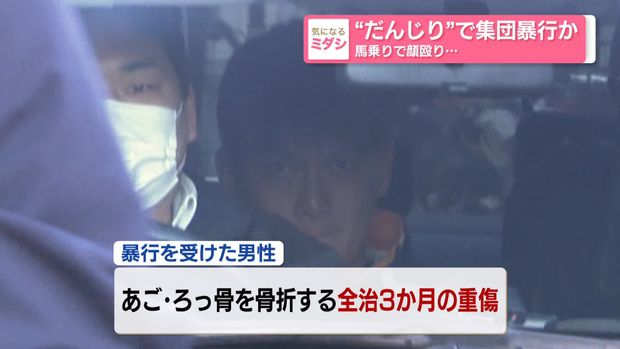
On a crisp October day in Sakai City’s Hattanaka-cho district, the annual だんじり (danjiri) festival—a beloved event centered around massive wooden floats—became the scene of a shocking incident. According to police reports, a 28-year-old youth group leader named Daichi Sumitani was arrested as a 容疑者 (yougisha, suspect) on charges of 暴行 (boukou, assault). The altercation involved a 40-year-old senior member from a rival district. Tensions reportedly escalated while teams were towing the heavy festival float through the streets, leading Sumitani and others to allegedly pin the man down and strike his face repeatedly. The victim suffered 重傷 (juushou, serious injury), including 骨折 (kossetsu, bone fracture) in his jaw and ribs, facing a grueling three-month recovery.
This disturbing act of 傷害 (shougai, injury or harm) has been highlighted in Japanese media, including programs like news every. under their headline segments. For learners like us, peering into Japan from afar, it’s a sobering reminder that even the most cherished traditions can carry hidden tensions. How could a festival meant to unite a community lead to such conflict? Let’s explore the cultural roots to understand more.
Cultural Context: The Heart of Danjiri Festivals
To truly grasp this incident, let’s step into the world of the だんじり (danjiri) festival, a centuries-old tradition especially vibrant in the Kansai region, including Osaka. The word だんじり refers to intricately carved wooden floats, often weighing several tons, which local teams of men pull through narrow streets as a powerful display of strength and unity. Tied to Shinto beliefs, these autumn festivals are more than just spectacles—they’re sacred acts meant to bring blessings and protect communities from misfortune.
What sets だんじり apart is its raw intensity. Teams from different districts pour their hearts into showcasing speed and skill, fueled by rhythmic chants and pounding drums. But this competitive spirit, while exhilarating, can sometimes tip into rivalry. Neighborhood pride and historical loyalties run deep, and the physical strain of hauling massive floats can ignite tempers. While violence like the Sakai City incident is rare, it reveals the complex undercurrents of community dynamics in Japan. Honor and group loyalty, so central to Japanese values, can occasionally spark friction in high-stakes moments.
For you as a learner, this isn’t just a news story—it’s a chance to see beyond the postcard image of Japanese festivals. You’ll discover how tradition and modernity collide, and how human emotions shape even the most time-honored customs. Let’s take this deeper by learning some key language tied to this event.
Learn Japanese from This Article
If you’ve ever wondered how to discuss current events or understand news in Japanese, this story is a perfect starting point. Let’s break down essential vocabulary and grammar patterns pulled straight from this incident, taught the way Japanese children learn—through context and real-life usage.
Key Vocabulary
Here are some crucial words tied to the festival and the incident, ones you’ll encounter in Japanese media or conversations about culture and crime:
| Japanese | Romaji | Meaning |
|---|---|---|
| だんじり | danjiri | traditional wooden float used in festivals |
| 祭り | matsuri | festival |
| 傷害 | shougai | injury, harm (often legal context) |
| 容疑者 | yougisha | suspect (in a crime) |
| 暴行 | boukou | assault, violence |
| 重傷 | juushou | serious injury |
| 骨折 | kossetsu | bone fracture |
These terms aren’t just words—they’re keys to understanding Japanese news and cultural discussions. Try using 祭り (matsuri) when talking about any festival, or recognize 重傷 (juushou) when hearing about accidents or injuries.
Grammar Spotlight: 〜とみられる (is considered to be)
One useful pattern often seen in Japanese news reporting is 〜とみられる (to mirareru), which means “is considered to be” or “is thought to be.” It’s used to express speculation or official opinions about a situation, often by police or authorities.
- Structure: Verb (plain form) + とみられる
- Usage: Indicates an assumption or widely held belief, often in formal or investigative contexts.
Examples:
- 彼は事件の容疑者とみられる。 (Kare wa jiken no yougisha to mirareru.) He is considered to be a suspect in the incident.
- この事故は人為的なミスとみられる。 (Kono jiko wa jin’iteki na misu to mirareru.) This accident is thought to be due to human error.
- 暴行は計画的だったとみられる。 (Boukou wa keikakuteki datta to mirareru.) The assault is considered to have been planned.
You’ll hear this in news reports like the だんじり incident coverage, where speculation about motives or details is common. It’s a great way to sound nuanced and formal when discussing uncertain information.
Grammar Spotlight: 〜などして (by doing things such as)
Another handy expression is 〜などして (nado shite), which means “by doing things such as” or “etc.” It’s used to list examples of actions or behaviors, often in a descriptive or explanatory tone.
- Structure: Verb (te-form) + などして
- Usage: Highlights examples of actions, implying there are more not explicitly mentioned.
Examples:
- 顔を殴るなどして、被害者に重傷を負わせた。 (Kao o naguru nado shite, higaisha ni juushou o owaseta.) By doing things such as hitting the face, they inflicted serious injuries on the victim.
- 叫ぶなどして、祭りの雰囲気を盛り上げた。 (Sakebu nado shite, matsuri no fun’iki o moriageta.) By doing things like shouting, they heightened the festival atmosphere.
- 押すなどして、だんじりを動かした。 (Osu nado shite, danjiri o ugokashita.) By doing things such as pushing, they moved the danjiri float.
This pattern is perfect for describing complex actions, like those in the festival incident, without listing every detail. It’s a natural way to summarize behaviors in Japanese.
Continue Learning
Curious to dive deeper into Japanese grammar and expressions that help you discuss culture and events like this? Check out these lessons for more authentic learning:
- Wa vs. Ga: Emphasizing Importance in Sentences: To understand more about は, explore our Wa vs. Ga: Emphasizing Importance in Sentences lesson.
- Ni, De, and E: Mapping Directions and Locations: To understand more about に, explore our Ni, De, and E: Mapping Directions and Locations lesson.
- Greetings and Self-Introductions: Authentic Entry Phrases: Curious about the Japanese used here? Our Greetings and Self-Introductions: Authentic Entry Phrases lesson covers this in depth.
Learning Japanese isn’t just about words—it’s about connecting to the heart of Japan’s stories and traditions. Keep exploring with us, and you’ll uncover even more.
これからもよろしくお願いします。 Kore kara mo yoroshiku onegaishimasu.