
"Mobuko's Love" Film Teaser Released: A Japanese Romance to Learn From
Imagine wandering through the quiet aisles of a Japanese supermarket, feeling like just another face in the crowd—until a small, unexpected moment changes everything. That’s the heart of モブ子の恋 (Mobuko no Koi, "Mobuko's Love"), a live-action film adaptation of Akane Tamura’s manga, set to capture hearts on June 5, 2026. For Japanese learners like you, this isn’t just a movie announcement—it’s a chance to dive into the emotional depth of Japanese storytelling and pick up authentic language along the way. Let’s explore the teaser reveal, the story’s cultural roots, and some key language lessons you can take from this news.
The Teaser Reveal: A Glimpse of Quiet Romance
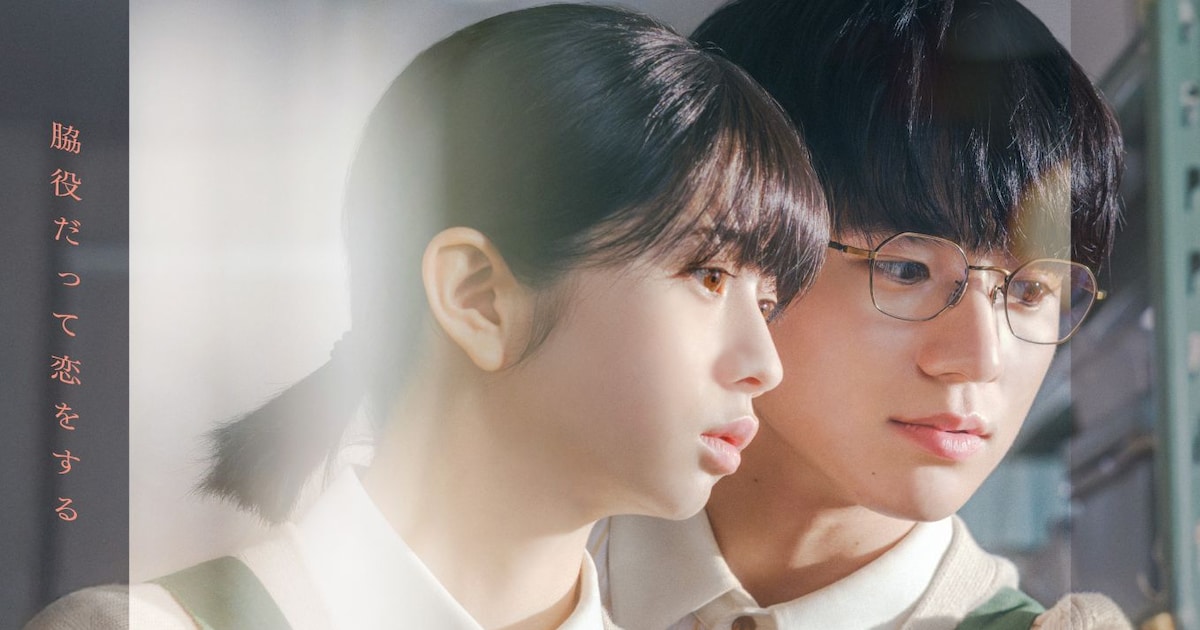
On February 5, 2026, the 特報 (tokuhou, "teaser" or "special report") for モブ子の恋 (Mobuko no Koi) dropped, alongside the main visual and the official release date. The film, directed by Taiki Kazama, will be 公開される (koukai sareru, "released/made public") in theaters across Japan this coming June. The teaser captures a tender scene between Tanaka Nobuko—nicknamed Mobuko for her "background character" life—and Irie Hiroki, as they notice a single white clover sprouting through a supermarket sidewalk. It’s a small but powerful image of beauty in the everyday.
The main visual shows Nobuko (played by Hiyori Sakurada) and Irie (played by Taisei Kido) side by side in their スーパー (sūpā, "supermarket") workplace, a setting that feels mundane yet brims with potential for connection. With a script by Yasuko Kuramitsu and music by Shuichi Sakamoto, this film promises to blend the 日常 (nichijou, "daily life") with the subtle warmth of a first 恋心 (koigokoro, "feelings of love").
A Story of Stepping Out of the Shadows
At its core, モブ子の恋 (Mobuko no Koi) is about someone who’s spent 20 years as a 脇役 (wakiyaku, "supporting role" or "side character") in her own life. Nobuko’s nickname, Mobuko, comes from the idea of a "mob character"—those forgettable figures in anime or games who fade into the background. But when she meets Irie, something begins to 芽生える (mebaeru, "to bud" or "to sprout") in her heart, pushing her to step into her own story. If you’ve ever felt invisible, this tale of quiet courage will hit close to home. Japanese storytelling often zooms in on these intimate, personal victories rather than loud, dramatic moments, making it a perfect lens for understanding the culture.
Cultural Context: The "Mob Character" and Everyday Beauty
If you’re new to Japanese media, the term モブキャラ (mobu kyara, "mob character") might be unfamiliar. It’s a concept from anime, manga, and games, referring to generic, nameless characters who exist just to fill a scene—think random pedestrians or background students. In real life, being called a "mob character," as Nobuko is, suggests someone who doesn’t stand out, blending into the group. This ties into Japanese values of humility and harmony, where being part of the collective often takes precedence over individuality. Yet stories like this one challenge that norm, showing that even the most overlooked people have rich inner lives worth exploring.
The スーパー (sūpā, "supermarket") setting also carries deeper meaning. In Japan, supermarkets aren’t just for shopping—they’re community spaces, especially in smaller towns, where daily interactions build subtle bonds. For Nobuko and Irie, this ordinary place becomes extraordinary as their feelings 芽生える (mebaeru, "sprout"). It’s a classic theme in Japanese narratives: finding beauty and meaning in the 日常 (nichijou, "everyday life").
Learn Japanese from This Article
Ready to turn this movie news into a mini-language lesson? Here are some key words and grammar points straight from the story of モブ子の恋 (Mobuko no Koi). These will help you talk about movies, feelings, and daily life just like a native speaker.
Essential Vocabulary
| Japanese | Romaji | Meaning |
|---|---|---|
| 公開 | koukai | release, making public |
| 特報 | tokuhou | special report, teaser (for movies) |
| 脇役 | wakiyaku | supporting role, side character |
| 恋心 | koigokoro | feelings of love, romantic feelings |
| スーパー | sūpā | supermarket |
| 芽生える | mebaeru | to bud, to sprout (often for feelings) |
| 日常 | nichijou | daily life, everyday |
Grammar Spotlight: Passive Form with 〜が公開される
Let’s look at a useful grammar pattern seen in movie announcements: 〜が公開される (~ga koukai sareru, "to be released/made public"). This is a passive form, often used in formal or news contexts to describe something being made available to the public, like a film or information.
- 映画が公開される。 (Eiga ga koukai sareru.) - "The movie will be released."
- 新しい情報が公開されました。 (Atarashii jouhou ga koukai saremashita.) - "New information was made public."
- 来年、続編が公開される予定です。 (Rainen, zokuhen ga koukai sareru yotei desu.) - "Next year, the sequel is scheduled to be released."
Use this structure when talking about official releases or announcements—it’s a staple in media-related Japanese!
Grammar Spotlight: Role-Taking with 〜を務める
Another handy expression is 〜を務める (~o tsutomeru, "to serve as" or "to take on a role"). It’s commonly used to describe someone taking on a specific position or role, like an actor in a film or a person in a job.
- 彼女が主役を務める。 (Kanojo ga shuyaku o tsutomeru.) - "She serves as the lead role."
- 彼が監督を務めました。 (Kare ga kantoku o tsutomeru.) - "He served as the director."
- このプロジェクトでリーダーを務めています。 (Kono purojekuto de rīdā o tsutometeimasu.) - "I’m serving as the leader for this project."
This phrase adds a formal, respectful tone when discussing someone’s contribution or position—perfect for talking about movie casts or professional roles.
Continue Learning
Want to dig deeper into the Japanese language used in stories like this? Check out these lessons from "Japanese from Japan" to build your skills:
- Ni, De, and E: Mapping Directions and Locations: To understand more about に, explore our Ni, De, and E: Mapping Directions and Locations lesson.
- Katakana Essentials: Adapting Global Words to Japanese: Working on your reading skills? Our Katakana Essentials: Adapting Global Words to Japanese lesson is a great next step.
- O and Wo: Marking Objects Without Prepositions: Curious about the Japanese used here? Our O and Wo: Marking Objects Without Prepositions lesson covers this in depth.
As you wait for モブ子の恋 (Mobuko no Koi) to hit theaters, keep practicing with these authentic language tools. Learning Japanese the way it’s taught in Japan—through real stories and cultural moments—makes every step rewarding. これからもよろしくお願いします。 Kore kara mo yoroshiku onegaishimasu.