
Kouga Yun’s 40-Year Manga Legacy: A Must-See Exhibition in Yokohama
If you’ve ever been captivated by the intricate worlds of Japanese manga, or if you’re just curious about the heart and soul behind those beautifully drawn pages, I’ve got something exciting to share. Imagine walking into a space filled with original drafts, personal notes, and stunning illustrations from one of Japan’s iconic manga artists. That’s exactly what’s happening right now at the 高河ゆん40周年展 (Kouga Yun 40-nen Ten - Kouga Yun 40th Anniversary Exhibition) in Yokohama. Let’s dive into this celebration of 40 years of artistic brilliance and see how it can inspire your Japanese learning journey.
A Milestone Celebration at Marui City Yokohama
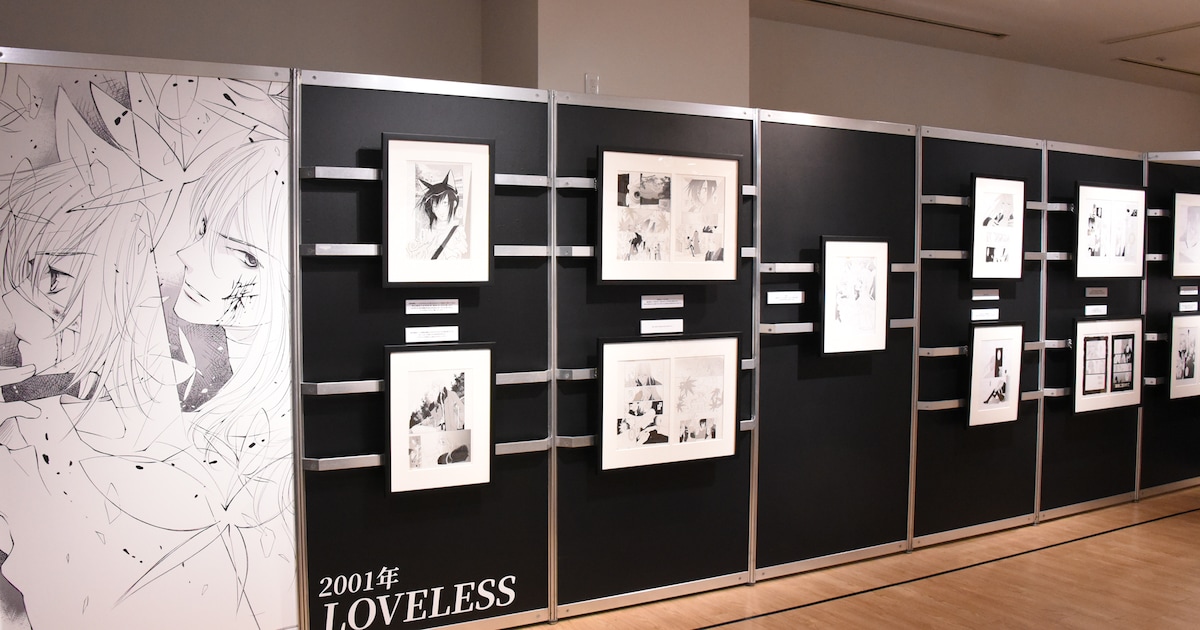
From January 31 to February 15, 2026, the event space on the 7th floor of Marui City Yokohama transforms into a treasure trove for manga fans. The 展示 (tenji - exhibition) isn’t just a gallery; it’s a heartfelt journey through the 画業 (gagyou - career as an artist) of 高河ゆん (Kouga Yun), a name synonymous with creativity and passion in the manga world. As you step into the 会場 (kaijou - venue), you’re greeted by a touching message panel from the artist herself, reflecting on her 40-year path. She writes about looking back at her old drafts with a mix of laughter and tears, seeing both reckless ambition and desperate effort. This exhibition, which kicked off with a press preview a day earlier, offers a rare chance to connect with her story—perfect for anyone wanting to understand the human side of manga creation.
Behind the Pages: Original Art and Personal Insights
What makes this event truly special is the chance to see 原画 (genga - original artwork) from Kouga Yun’s iconic works like アーシアン (Āshian - Asian), 源氏 (Genji), and LOVELESS. Almost every piece comes with a personal コメント (komento - comment) from the artist, giving you a glimpse into her thoughts as she created these stories. You’ll notice the texture of her inking, traces of correction fluid, and even handwritten notes—details that reveal the raw effort behind each polished page. For fans of REN-AI【恋愛】 (Ren-ai - Love), there are pre-serialization plot notes, while 美麗 (birei - beautiful/elegant) full-color illustrations steal the show. Plus, a panel with ten personal questions answered by Kouga Yun herself adds an intimate touch, covering everything from career turning points to dream genres.
Cultural Context: Manga as a Japanese Way of Life
If you’re new to Japanese culture, this exhibition is more than just a display of pretty pictures—it’s a window into the life of a 漫画家 (mangaka - manga artist) and the grueling yet passionate craft behind manga. In Japan, manga isn’t just entertainment; it’s a cultural cornerstone that influences fashion, language, and even social trends. Events like コミックマーケット (Komikku Māketto - Comic Market), where Kouga Yun debuted, are massive gatherings where creators sell 同人誌 (dōjinshi - self-published works), building a unique community of fans and artists. This exhibition also embodies the Japanese concept of 一期一会 (ichigo ichie - a once-in-a-lifetime encounter), reminding us to cherish fleeting, precious moments like seeing these original works in person. Understanding these cultural layers deepens your appreciation of why a 40-year celebration for one artist resonates so strongly with fans.
Learn Japanese from This Article
Ready to pick up some authentic Japanese while exploring this fascinating event? Let’s break down key vocabulary and grammar points inspired by the exhibition. These are terms and structures you’d hear in Japan, whether you’re visiting an event or chatting about manga with friends.
Key Vocabulary
| Japanese | Romaji | Meaning |
|---|---|---|
| 画業 | gagyou | career as an artist/illustrator |
| 原画 | genga | original artwork/draft |
| 展示 | tenji | exhibition/display |
| 会場 | kaijou | venue/event space |
| コメント | komento | comment |
| 同人誌 | dōjinshi | self-published work/fanzine |
| 美麗 | birei | beautiful/elegant |
These words are incredibly useful if you’re diving into Japanese pop culture or planning to attend events like this one. For instance, knowing 会場 (kaijou) helps when navigating event spaces, while 美麗 (birei) is a poetic way to compliment art or design.
Grammar Spotlight: 〜まで (Until, Up To)
Let’s look at a practical grammar pattern used when talking about events or timeframes, like the duration of this exhibition: 〜まで (made), meaning “until” or “up to” (a time or place).
- Structure: [Time/Place] + まで
- Usage: Indicates a limit or endpoint, often for time or location.
Examples:
- 展示は2月15日までです。 (Tenji wa Nigatsu juugonichi made desu.) The exhibition is until February 15.
- 会場は7階までエレベーターで行けます。 (Kaijou wa nanakai made erebētā de ikemasu.) You can go up to the venue on the 7th floor by elevator.
- 横浜まで電車で行きます。 (Yokohama made densha de ikimasu.) I’ll go up to Yokohama by train.
This pattern is super handy for planning trips or understanding event schedules in Japan. You’ll hear it everywhere, from train announcements to event flyers.
Grammar Spotlight: 〜に加え (In Addition To)
Another useful expression tied to this article is 〜に加え (ni kuwawae), meaning “in addition to.” It’s a formal yet common way to add information, often used in descriptions of events or features.
- Structure: [Noun] + に加え + [Additional Info]
- Usage: Adds extra details or elements to something already mentioned.
Examples:
- 原画に加え、フルカラーのイラストも展示されています。 (Genga ni kuwawae, furu karā no irasuto mo tenji sareteimasu.) In addition to original drafts, full-color illustrations are also on display.
- コメントに加え、作者のインタビューも読めます。 (Komento ni kuwawae, sakusha no intabyū mo yomemasu.) In addition to comments, you can also read the author’s interview.
- 展示に加え、グッズ販売もあります。 (Tenji ni kuwawae, guzzu hanbai mo arimasu.) In addition to the exhibition, there is also merchandise for sale.
This structure adds a polished touch to your Japanese, especially when describing complex topics like events or projects with multiple components.
Continue Learning
Want to build on what you’ve learned here? Check out these lessons from “Japanese from Japan” to deepen your skills:
- Greetings and Self-Introductions: Authentic Entry Phrases: Ready to dive deeper? Our lesson on Greetings and Self-Introductions: Authentic Entry Phrases will help you master these concepts.
- Ni, De, and E: Mapping Directions and Locations: Curious about the Japanese used here? Our Ni, De, and E: Mapping Directions and Locations lesson covers this in depth.
- Wa vs. Ga: Emphasizing Importance in Sentences: To understand more about は, explore our Wa vs. Ga: Emphasizing Importance in Sentences lesson.
Learning Japanese the way it’s taught in Japan opens doors to not just language, but also culture and connection. Keep exploring with us!
これからもよろしくお願いします。 Kore kara mo yoroshiku onegaishimasu.