
Shocking Robbery Attempt at Haneda Airport: Learn Japanese from Real News
Imagine stepping off a plane in one of the busiest airports in the world, only to be targeted for a daring robbery. If you’ve ever wondered how real-life events in Japan can teach you both language and culture, today’s story from 羽田空港 (Haneda Kūkō), Tokyo’s iconic international hub, will pull you right in. On January 30th, a man carrying nearly 200 million yen in cash faced a shocking attack—and this gripping incident offers a unique window into Japanese language and societal norms. Let’s dive into the details and uncover some authentic Japanese along the way.
A Thriller at Haneda Airport
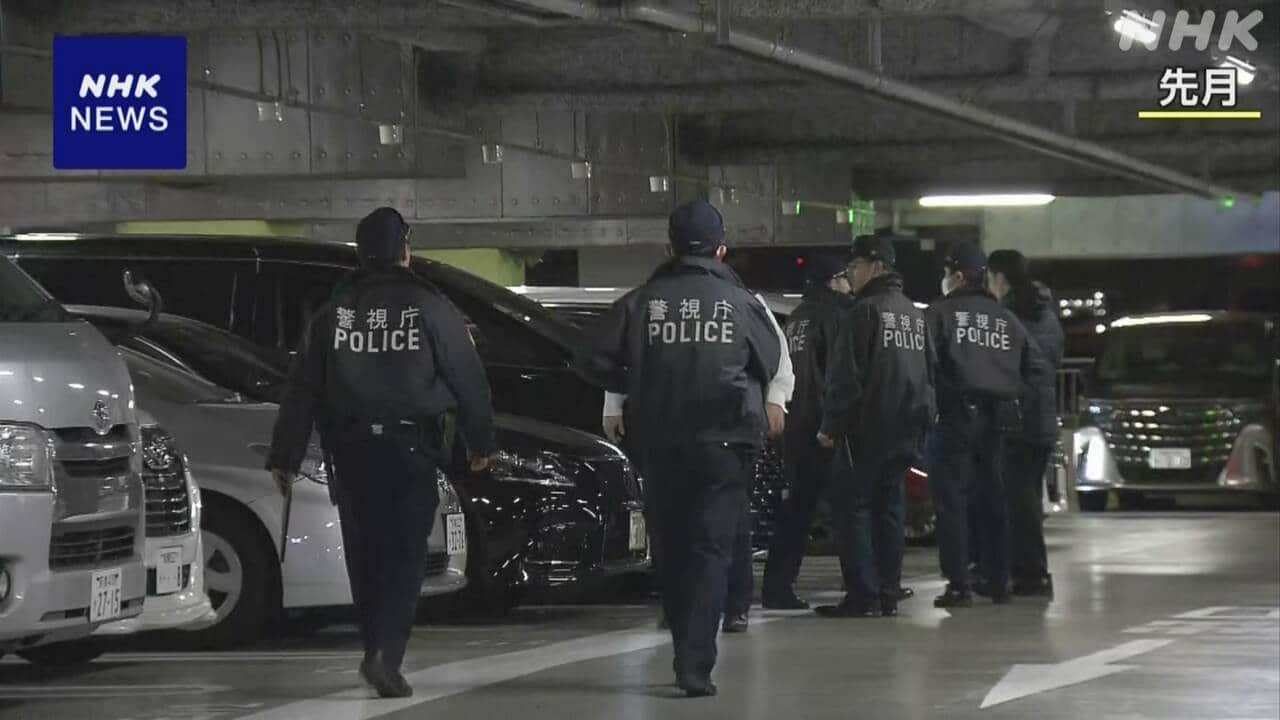
The scene at 羽田空港 (Haneda Kūkō) could have been ripped from a movie script. A man in his 50s, hauling a staggering amount of 現金 (genkin, cash), arrived at the airport only to be ambushed by four assailants in the parking lot. Reports suggest the attackers knew exactly who to target, hinting at careful planning behind this attempted 強盗 (gōtō, robbery). Miraculously, the man managed to 逃げる (nigeru, escape) with his money intact during this first encounter.
But the drama didn’t end there. After fleeing to Hong Kong, the same man was 襲う (osou, attacked) again—and this time, the robbers succeeded in stealing the 200 million yen, roughly 1.3 million USD. This double 事件 (jiken, incident) has stunned Japan, a country where violent crime is rare, and raised serious questions about 安全 (anzen, safety) in even the most public spaces like airports.
Cultural Context: Why This Shocks Japan
For many learners, understanding Japan goes beyond just language—it’s about grasping the cultural lens through which events like this are viewed. 羽田空港 (Haneda Kūkō, Haneda Airport) isn’t just a transit point; it’s a symbol of Japan’s efficiency and modernity. Located closer to central Tokyo than Narita, it’s a bustling gateway for millions of travelers. The idea of a brazen crime happening in such a secure, high-traffic area feels almost unthinkable to many Japanese people, who often take public 安全 (anzen, security) for granted due to strict laws and cultural values of order.
Another cultural nuance here is the use of 現金 (genkin, cash). While digital payments are growing, Japan still relies heavily on cash for certain high-value transactions, especially in business or private dealings. Carrying 200 million yen might sound risky to Western ears, but it’s not entirely unusual in Japanese contexts. This incident, however, highlights the vulnerabilities of such practices in a globalized, and sometimes dangerous, world.
Learn Japanese from This Article
Let’s turn this real-world 事件 (jiken, incident) into a learning opportunity. By studying the language used in news like this, you’ll pick up authentic Japanese—the kind native speakers use every day. Here, we’ve pulled key vocabulary and grammar patterns to help you build skills while staying connected to the story.
Key Vocabulary
| Japanese | Romaji | Meaning |
|---|---|---|
| 強盗 | gōtō | robbery, robber |
| 空港 | kūkō | airport |
| 現金 | genkin | cash |
| 襲う | osou | to attack, to assault |
| 安全 | anzen | safety, security |
| 事件 | jiken | incident, case |
| 逃げる | nigeru | to escape, to flee |
These words aren’t just textbook terms—they’re pulled straight from headlines and conversations about real events. Try using 強盗 (gōtō) or 安全 (anzen) in a sentence to describe safety concerns in your own city!
Grammar Spotlight: 〜そうになる (Almost Happen)
One useful structure from this story is 〜そうになる, which means “almost happen” or “on the verge of.” It’s perfect for describing close calls, like the man almost losing his money at 羽田空港 (Haneda Kūkō).
- Structure: Verb (stem form) + そうになる
- Examples:
- お金を盗まれそうになった。 (Okane o nusumaresō ni natta.) - I almost had my money stolen.
- 飛行機に乗り遅れそうになった。 (Hikōki ni norisoresō ni natta.) - I almost missed the plane.
- 事故に遭いそうになった。 (Jiko ni aisō ni natta.) - I almost got into an accident.
Use this pattern when something nearly happens but doesn’t quite. It’s a great way to add drama to your storytelling in Japanese!
Grammar Spotlight: 〜た後で (After Doing Something)
Another key pattern tied to this news is 〜た後で, meaning “after doing something.” It’s useful for sequencing events, like what happened after the man arrived at the airport.
- Structure: Verb (past tense) + 後で (ato de)
- Examples:
- 空港に着いた後で襲われた。 (Kūkō ni tsuita ato de osowareta.) - After arriving at the airport, (he) was attacked.
- 食事をした後で勉強します。 (Shokuji o shita ato de benkyō shimasu.) - After eating, I will study.
- 逃げた後で警察に連絡した。 (Nigeta ato de keisatsu ni renraku shita.) - After escaping, (he) contacted the police.
This pattern helps you narrate events in a logical order, a skill you’ll need for storytelling or explaining your day in Japanese.
Continue Learning
Want to dig deeper into the Japanese language and culture behind this story? Check out these lessons from “Japanese from Japan” to expand your skills:
- Ni, De, and E: Mapping Directions and Locations: To understand more about に, explore our Ni, De, and E: Mapping Directions and Locations lesson.
- Basic Vocabulary Building: Embracing Words Without Latin Ties: Curious about the Japanese used here? Our Basic Vocabulary Building: Embracing Words Without Latin Ties lesson covers this in depth.
- Time and Dates: Tense-Free Expressions: Curious about the Japanese used here? Our Time and Dates: Tense-Free Expressions lesson covers this in depth.
Closing Thoughts
Learning Japanese through real-world stories like this robbery attempt at 羽田空港 (Haneda Kūkō) brings the language to life. You’re not just memorizing words—you’re connecting with the culture, the news, and the way Japanese people think and speak. Keep practicing with these vocab words and grammar patterns, and you’ll soon find yourself understanding more authentic content. We’re excited to be on this journey with you!
これからもよろしくお願いします。 Kore kara mo yoroshiku onegaishimasu.