
Honey as a Gift from the Forest: Kamba Tribe Traditions and Japanese Harmony
Imagine yourself deep in a Kenyan forest, the air buzzing with bees and fragrant with wildflowers, as a member of the Kamba tribe skillfully carves a beehive from a hollow tree. This isn’t just a tale of honey—it’s a window into a way of life that cherishes balance with nature, a value that feels so familiar when viewed through a Japanese lens. In a fascinating piece from Rocket News, a Kamba tribesman named Chaos shares the traditional honey-harvesting practices of his people in Machakos, Kenya. As you read, you’ll discover not only a unique craft but also a cultural connection that bridges Kenya and Japan. Let’s dive in and explore this story while picking up some authentic Japanese along the way.
The Kamba Tribe’s Honey Harvesting Tradition
Chaos, a proud member of the Kamba tribe, opens up about the art of 養蜂 (yōhō, beekeeping) in his hometown of Machakos. For the Kamba, ハチミツ (hachimitsu, honey) is more than a sweet delight; it’s woven into their culture and livelihood. Many in the community practice beekeeping, both for personal joy and to sell at local markets. What stands out is their deep connection to 自然 (shizen, nature)—there are no factory-made tools or industrial methods here, just pure tradition passed down through generations.
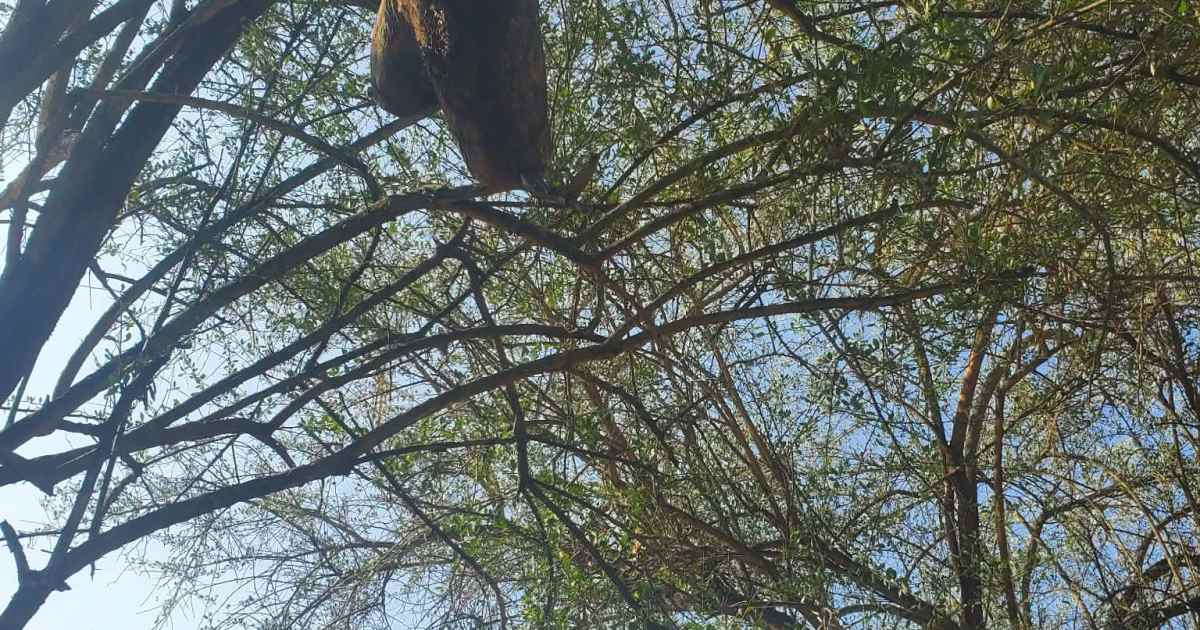
The process begins with creating a 巣箱 (subako, beehive) by hand. Kamba beekeepers venture into the forest, select large hollow trees, and transform them into hives with incredible 職人技 (shokuninwaza, craftsmanship). These hives are then hung high in trees to shield them from pests. But it’s not just about placement—they clean the inside with the scent of special flowers to attract bees, almost like an invitation. When it’s time for 収穫 (shūkaku, harvest), they work at night to avoid upsetting the bees, using smoke from bitter branches to gently repel them without harm. With great 敬意 (kei’i, respect), they lower the hive using ropes and take only part of the honey, leaving enough for the bees to stay and thrive. As Chaos describes, this honey—enjoyed in Kenyan tea or on bread—is truly a gift from the forest.
Cultural Context: Harmony with Nature Across Cultures
Though this story hails from Kenya, it resonates deeply with Japanese values that you’ll come to appreciate as a learner. The Kamba’s mindful approach to beekeeping reflects the Japanese idea of 共生 (kyousei), meaning “coexistence” or “living in harmony.” Just as the Kamba ensure the bees’ survival by leaving honey behind, Japanese traditions often prioritize balance with the environment—think of sustainable farming or the celebration of seasonal changes in food and festivals. This shared reverence for nature creates a beautiful cultural bridge, showing how some principles are universal.
Chaos’s warm storytelling and invitation for readers to ask questions also mirror the Japanese spirit of おもてなし (omotenashi), the heartfelt hospitality that anticipates others’ needs. Reading about the Kamba tribe through this lens isn’t just about learning a new custom—it’s about seeing how human values like gratitude and connection shine through, much like they do in Japanese culture.
Learn Japanese from This Article
Let’s take a moment to learn some authentic Japanese inspired by this story. Below, you’ll find key vocabulary, grammar patterns, and useful expressions that tie directly to the Kamba tribe’s traditions and the cultural parallels with Japan. These are taught the way Japanese children learn—through context and real-life usage, not just textbook rules.
Key Vocabulary
| Japanese | Romaji | Meaning |
|---|---|---|
| 養蜂 | yōhō | beekeeping |
| ハチミツ | hachimitsu | honey |
| 巣箱 | subako | beehive (box) |
| 収穫 | shūkaku | harvest |
| 自然 | shizen | nature |
| 職人技 | shokuninwaza | craftsmanship |
| 敬意 | kei’i | respect |
These words aren’t just useful for this story—they’re part of everyday Japanese, especially when discussing traditions or the environment. For instance, you might hear 自然 (shizen) in conversations about eco-friendly practices or even in poetry about landscapes.
Grammar Spotlight: 〜のがコツ (The Trick/Key Is To ~)
This pattern is used to share a tip or the “key” to doing something well. It’s a natural way to give advice, much like Chaos might explain the secret to successful beekeeping.
- Structure: [Verb (plain form)] + のがコツです
- Meaning: The trick/key is to [verb]
Examples:
- 夜に収穫するのがコツです。 (Yoru ni shūkaku suru no ga kotsu desu.) The trick is to harvest at night.
- 蜂に敬意を持つのがコツです。 (Hachi ni kei’i o motsu no ga kotsu desu.) The key is to have respect for the bees.
- 自然と一緒に生きるのがコツです。 (Shizen to issho ni ikiru no ga kotsu desu.) The trick is to live together with nature.
Use this when sharing know-how or life hacks in Japanese. It’s a friendly, conversational way to offer insight, often heard in casual settings or when teaching a skill.
Grammar Spotlight: 〜ておく (Do Something in Advance/Leave Something As Is)
This grammar point is perfect for describing preparations or intentional actions, like how the Kamba leave honey for the bees or prepare hives in advance.
- Structure: [Verb (te-form)] + おく
- Meaning: Do [verb] in advance, or leave something in a certain state
Examples:
- 巣箱を木に掛けておきます。 (Subako o ki ni kakete okimasu.) I’ll hang the beehive in the tree (in advance).
- ハチミツを少し残しておきます。 (Hachimitsu o sukoshi nokoshite okimasu.) I’ll leave some honey behind (intentionally).
- 花の香りを付けておくのが大事です。 (Hana no kaori o tsukete oku no ga daiji desu.) It’s important to put the scent of flowers (in the hive) in advance.
This pattern is incredibly useful in daily life, whether you’re talking about preparing something ahead of time or leaving things a certain way. It’s a nuance you’ll hear often in Japanese conversations about planning or care.
Continue Learning
Want to deepen your understanding of Japanese grammar used in stories like this? Check out these lessons from “Japanese from Japan” to build on what you’ve learned today:
- Ni, De, and E: Mapping Directions and Locations: Want to learn more about に? Check out our lesson on Ni, De, and E: Mapping Directions and Locations.
- Wa vs. Ga: Emphasizing Importance in Sentences: Want to learn more about は? Check out our lesson on Wa vs. Ga: Emphasizing Importance in Sentences.
- Nai Form: Negating Without Auxiliary Words: Want to understand the verb forms used here? Check out Nai Form: Negating Without Auxiliary Words.
Closing
I hope this journey into the Kamba tribe’s honey-harvesting traditions has inspired you to see the beauty of harmony with nature, a value shared across cultures like Kenya and Japan. As you continue learning Japanese, remember that language isn’t just words—it’s a doorway to understanding the heart of a culture. Keep exploring with us, and let’s uncover more connections together.
これからもよろしくお願いします。 Kore kara mo yoroshiku onegaishimasu.