
Punk Rock and Passion: "Street Kingdom" Film Unveiled for 2026
Imagine yourself stepping into the raw, electric streets of 1978 Tokyo, where the rebellious sound of punk rock is just starting to ignite the hearts of Japanese youth. If you've ever been curious about Japan's underground music scene, the upcoming film ストリート・キングダム 自分の音を鳴らせ。 (Sutoriito Kingudamu: Jibun no Oto o Narase., "Street Kingdom: Play Your Own Sound") offers a thrilling glimpse into this transformative era. Released on January 30, 2026, the main visual and trailer for this movie dropped with a bang, and for Japanese learners like you, this isn’t just entertainment—it’s a doorway into the language, culture, and fiery spirit of a generation that dared to play their own sound.
A Striking Reveal: Visuals and Trailer Drop
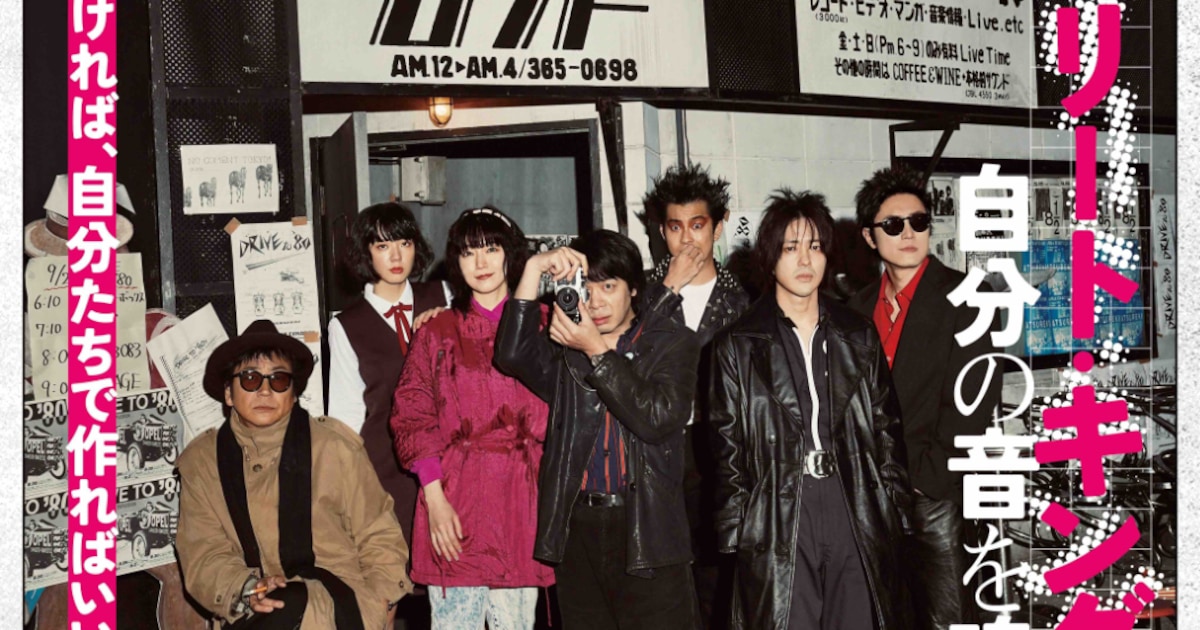
The newly unveiled main visual for ストリート・キングダム (Sutoriito Kingudamu) is nothing short of captivating. It features the film’s characters standing defiantly in front of the iconic Shinjuku Loft sign, a legendary spot for Japan’s rock scene. Paired with the powerful tagline, "If it doesn’t exist, we’ll create it ourselves," the image embodies the DIY ethos of punk. The trailer, now live on YouTube, amplifies this energy with scenes of intense live performances, raw emotional moments, and the characters’ relentless drive as they craft their own records. From heated arguments to tense run-ins with the police, every frame pulses with defiance. The ending theme, a cover of LIZARD’s 宣戦布告 (Sensen Fukoku, "Declaration of War"), performed by stars 峯田和伸 (Mineda Kazunobu) of Ginkgo BOYZ and actor 若葉竜也 (Wakaba Ryuya), ties directly to the fictional band TOKAGE, inspired by real-life punk influences.
Mark your calendars for March 27, 2026, when ストリート・キングダム hits theaters across Japan, including TOHO Cinemas Hibiya in Tokyo. Want to grab a piece of the action early? Limited-edition advance tickets, known as ムビチケ (Mubichike), are already available, complete with a special four-piece postcard set for early buyers.
A Story of Punk and Defiance
Directed by 田口トモロヲ (Taguchi Tomorowo), who returns to filmmaking after a decade, this movie plunges you into 1978 Tokyo—a time when the Sex Pistols’ music roared through the airwaves and sparked a revolution among Japanese youth. The story centers on ユーイチ (Yuuichi), played by Mineda, a young photographer deeply moved by punk rock. Driven by this raw energy, or as we’d say in Japanese, パンクに衝き動かされる (panku ni tsukiugokasareru, "to be driven by punk"), Yuuichi stumbles upon a small underground magazine called ロッキンドール (Rokkindooru, "Rockin’ Doll"). His journey takes him to a ライブハウス (raibuhausu, "live music venue") where he meets モモ (Momo), the charismatic leader of the band TOKAGE, portrayed by Wakaba. Captivated by their performance, Yuuichi frantically snaps photos as Momo’s music ignites a ムーブメント (muubumento, "movement") that reshapes Japan’s rock history. With a stellar cast including 吉岡里帆 (Yoshioka Riho) and a script by the renowned 宮藤官九郎 (Kudokan Kankuro), this film is set to leave a lasting 衝撃 (shougeki, "impact").
Cultural Context: The Shinjuku Punk Scene
To truly appreciate ストリート・キングダム, you’ll want to understand the cultural backdrop of late 1970s Japan. This was a time when Western punk rock crashed into Japanese youth culture, creating a powerful clash with the country’s often conformist society. Venues like Shinjuku Loft became hallowed ground for underground bands, pulsing with a raw, anti-establishment 熱狂 (nekkyou, "enthusiasm" or "frenzy"). Picture ripped jeans, distorted guitars, and a fierce desire to break free from norms—that’s the spirit of 1978 Tokyo. The fictional band name TOKAGE (tokage, "lizard") nods to this untamed, rebellious nature, echoing real-life influences like the band LIZARD. For Japanese learners, diving into this era isn’t just about the movie—it’s a chance to explore the slang, passionate expressions, and cultural undercurrents that still influence Japanese subcultures today. You’ll feel the 苛立ち (iradachi, "irritation") of a generation pushing against constraints and the thrill of creating something new.
Learn Japanese from This Article
Ready to pick up some authentic Japanese from the punk rock scene? Let’s break down key vocabulary and grammar inspired by ストリート・キングダム. These words and patterns aren’t just textbook terms—they’re the kind of language you’d hear in the gritty streets of Shinjuku or a buzzing ライブハウス (raibuhausu).
Key Vocabulary
| Japanese | Romaji | Meaning |
|---|---|---|
| 解禁 | kaikin | lifting of a ban, release, unveiling |
| 衝撃 | shougeki | shock, impact |
| 熱狂 | nekkyou | enthusiasm, frenzy, fervor |
| ムーブメント | muubumento | movement (social or cultural) |
| ライブハウス | raibuhausu | live music venue |
| 苛立ち | iradachi | irritation, frustration |
Grammar Spotlight
Let’s dive into two grammar patterns that capture the passion and progression of the punk movement, just like the characters in the film.
〜に衝き動かされる (ni tsukiugokasareru): to be driven or motivated by ~ This passive form expresses being moved or compelled by something, often emotionally or spiritually. It’s perfect for describing the intense inspiration felt by characters like Yuuichi.
- Structure: Noun + に + 衝き動かされる
- Examples:
- パンクロックに衝き動かされて、写真を撮り始めた。 (Panku rokku ni tsukiugokasarete, shashin o torihajimeta.) "Driven by punk rock, I started taking photos."
- 彼の言葉に衝き動かされて、行動した。 (Kare no kotoba ni tsukiugokasarete, koudou shita.) "Motivated by his words, I took action."
- When to use: Use this when describing a deep, almost involuntary inspiration or drive caused by something or someone.
〜ていく (teiku): to go on doing ~, to continue to ~ (with a sense of change or progression) This pattern indicates a continuing action or state, often with a sense of moving forward or evolving over time—perfect for the growing punk ムーブメント (muubumento).
- Structure: Verb (te-form) + いく
- Examples:
- パンクは日本で流行り続けていく。 (Panku wa Nihon de hayari tsudzuketeiku.) "Punk continues to grow popular in Japan."
- 彼らの音楽は人々を魅了し続けていく。 (Karera no ongaku wa hitobito o miryoushi tsudzuketeiku.) "Their music will keep captivating people."
- When to use: Use this to show an ongoing action or trend, especially one that evolves or progresses over time.
Useful Expression
Here’s a phrase straight from the rebellious spirit of punk:
- 自分だけの音を鳴らす (Jibun dake no oto o narasu) - "Play your own sound" This comes directly from the movie’s title and embodies the idea of individuality and self-expression. Use it metaphorically to encourage someone to be themselves or literally when talking about creating unique music.
Continue Learning
Want to keep building your Japanese skills with the same authentic approach? Check out these lessons to dive deeper into the language and culture:
- Ni, De, and E: Mapping Directions and Locations: Ready to dive deeper? Our lesson on Ni, De, and E: Mapping Directions and Locations will help you master these concepts.
- Wa vs. Ga: Emphasizing Importance in Sentences: Ready to dive deeper? Our lesson on Wa vs. Ga: Emphasizing Importance in Sentences will help you master these concepts.
- Chinese Influence on Japanese: Kanji and Borrowed Vocabulary: Working on your reading skills? Our Chinese Influence on Japanese: Kanji and Borrowed Vocabulary lesson is a great next step.
As you explore the world of ストリート・キングダム, remember that learning Japanese isn’t just about words—it’s about feeling the 熱狂 (nekkyou) and connecting with the culture behind them. Keep rocking your studies, and we’ll see you in the next lesson!
これからもよろしくお願いします。 Kore kara mo yoroshiku onegaishimasu.