
Heavy Snow in Northern Japan: A Glimpse into Winter Life and Language
If you’ve ever pictured Japan as a land of cherry blossoms and sunny temples, the latest winter news from northern Japan might surprise you. As reported by NHK on January 23rd, heavy snowfall continues to blanket 北海道 (Hokkaidō) and the 東北 (Tōhoku) region, even after the peak of a brutal cold wave has passed. For learners like you, this isn’t just a weather update—it’s a window into the resilience of Japanese communities and a chance to learn authentic language straight from real-life contexts. Let’s dive into the snowy challenges of northern Japan and uncover some useful Japanese along the way.
Snowfall Persists in Northern Japan
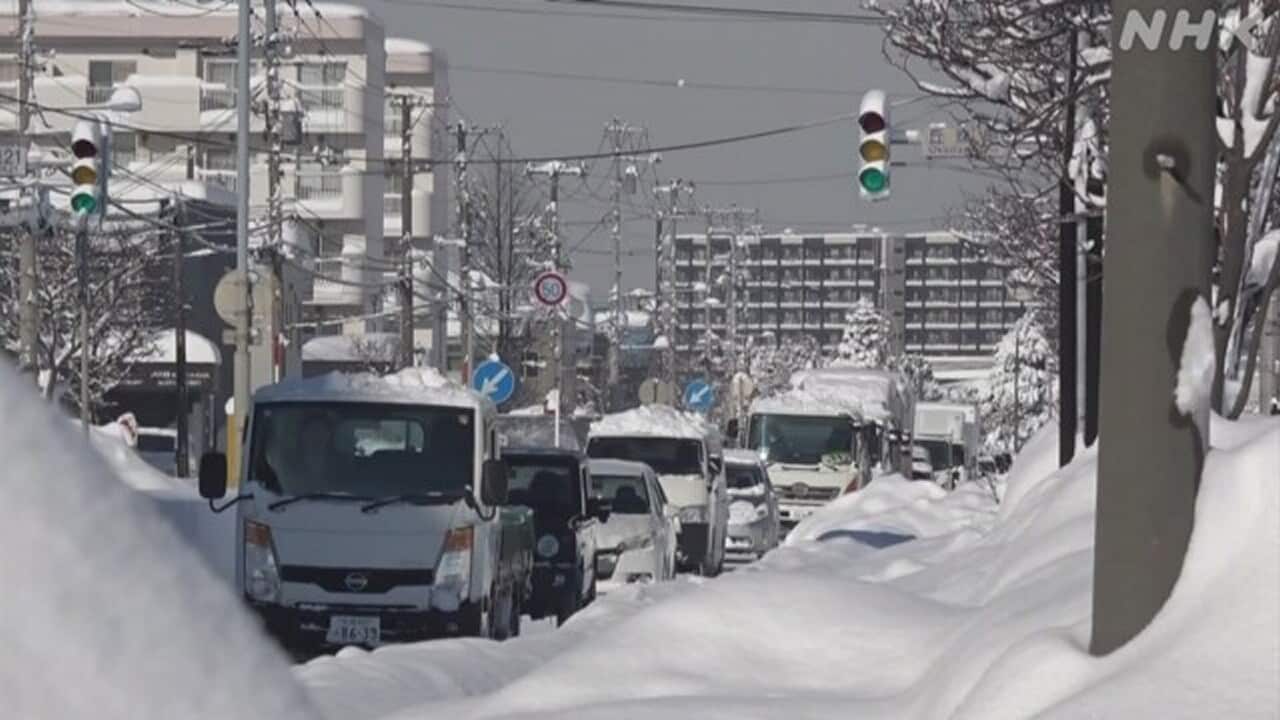
Despite the worst of the 寒波 (kanpa - cold wave) subsiding, northern Japan is still grappling with intermittent heavy snow. 北海道 (Hokkaidō), the northernmost island, and the 東北 (Tōhoku) region, spanning six prefectures in the northeast, are particularly affected. This weather, as reported by NHK, brings significant 影響 (eikyō - impact), disrupting daily life with risks like traffic accidents, power outages, and isolated communities. Authorities are urging everyone to maintain 警戒 (keikai - vigilance, caution) because, even though the peak is over, treacherous roads and more snow are still expected. For locals in these 豪雪地帯 (gōsetsu chitai - heavy snowfall zones), this is a familiar struggle, but for learners, it’s a reminder of how geography shapes life in Japan.
Cultural Context: Winter as a Way of Life
Winter in northern Japan isn’t just about enduring the cold—it’s a defining part of the culture. Places like 北海道 (Hokkaidō) are famous for events like the 札幌雪まつり (Sapporo Yuki Matsuri - Sapporo Snow Festival), where stunning ice sculptures attract visitors from around the world. But behind the beauty of a 雪まつり (yuki matsuri - snow festival), there’s a tougher reality. In 豪雪地帯 (gōsetsu chitai - heavy snowfall zones), snow can pile up to several meters in a single season, requiring incredible resilience and community support. Understanding terms like 寒波 (kanpa - cold wave) isn’t just about expanding your vocabulary—it’s about connecting with how Japanese people adapt to nature’s extremes. This duality of hardship and celebration is woven into the local identity, offering a deeper look at Japan beyond the tourist highlights.
Learn Japanese from This Article
Let’s turn this weather update into a learning opportunity! Below, you’ll find key vocabulary, grammar patterns, and expressions pulled directly from the context of northern Japan’s winter challenges. These are words and structures you’d encounter in real Japanese media and conversations, taught the way native speakers learn them.
Essential Vocabulary
| Japanese | Romaji | Meaning |
|---|---|---|
| 豪雪地帯 | gōsetsu chitai | heavy snowfall zone |
| 寒波 | kanpa | cold wave |
| 北海道 | Hokkaidō | Hokkaido (northernmost island of Japan) |
| 東北 | Tōhoku | Tohoku (northeastern region of Japan) |
| 雪まつり | yuki matsuri | snow festival |
| 影響 | eikyō | impact, influence |
| 警戒 | keikai | vigilance, caution |
Grammar Spotlight: 〜ている (Ongoing Action or State)
One grammar pattern you’ll see often in news like this is 〜ている, which indicates an ongoing action or state. It’s similar to the English present continuous tense (“is doing”) but can also describe a continuing condition.
- Structure: Verb stem + ている
Examples:
- 雪が降っている。 (Yuki ga futte iru.
- It is snowing.)
- 影響が続いている。 (Eikyō ga tsuduite iru.
- The impact is continuing.)
- 警戒している。 (Keikai shite iru.
- They are being vigilant.)
- 雪が降っている。 (Yuki ga futte iru.
When to Use: Use 〜ている to describe something happening right now or a state that persists over time. In the context of this news, it’s perfect for talking about ongoing snowfall or lasting impacts.
Grammar Spotlight: 〜にもかかわらず (Despite, In Spite Of)
Another useful expression is 〜にもかかわらず, which means “despite” or “in spite of.” It’s a formal structure often seen in written Japanese or news reports.
- Structure: Noun/Verb (plain form) + にもかかわらず
Examples:
- 寒波のピークが過ぎたにもかかわらず、雪が降り続いている。 (Kanpa no pīku ga sugita ni mo kakawarazu, yuki ga furitsuduite iru.
- Despite the peak of the cold wave passing, snow continues to fall.)
- 警戒しているにもかかわらず、事故が起こった。 (Keikai shite iru ni mo kakawarazu, jiko ga okotta.
- Despite being vigilant, an accident occurred.)
- 寒波のピークが過ぎたにもかかわらず、雪が降り続いている。 (Kanpa no pīku ga sugita ni mo kakawarazu, yuki ga furitsuduite iru.
When to Use: This is great for expressing contrast, especially in formal contexts like news or essays. It shows that despite one situation, another (often unexpected) result happens.
Continue Learning
Ready to build on what you’ve learned here? Check out these lessons from “Japanese from Japan” to deepen your understanding of authentic Japanese language and culture:
- Want to learn more about vocabulary? Check out our lesson on Basic Vocabulary Building: Embracing Words Without Latin Ties.
- Ready to dive deeper? Our lesson on Wa vs. Ga: Emphasizing Importance in Sentences will help you master these concepts.
- Want to learn more about culture? Check out our lesson on Greetings and Self-Introductions: Authentic Entry Phrases.
これからもよろしくお願いします。 Kore kara mo yoroshiku onegaishimasu.