
Japanese Election Debates: Tackling Rising Prices on NHK
Have you ever tuned into Japanese news and felt a bit lost amidst the flurry of formal language and urgent topics? If so, you’re not alone. But here’s the good news: diving into real Japanese media, like the recent NHK broadcast of 日曜討論 (Nichiyou Touron - Sunday Debate), is one of the best ways to learn authentic Japanese—straight from the source, just as it’s discussed in Japan. On January 23rd, this program tackled a hot topic ahead of the upcoming House of Representatives election: the pressing issue of 物価高 (bukka-daka - rising prices). Let’s break down what happened, explore the cultural weight of this issue, and pick up some key language skills along the way.
Election Countdown: Policies Under the Spotlight
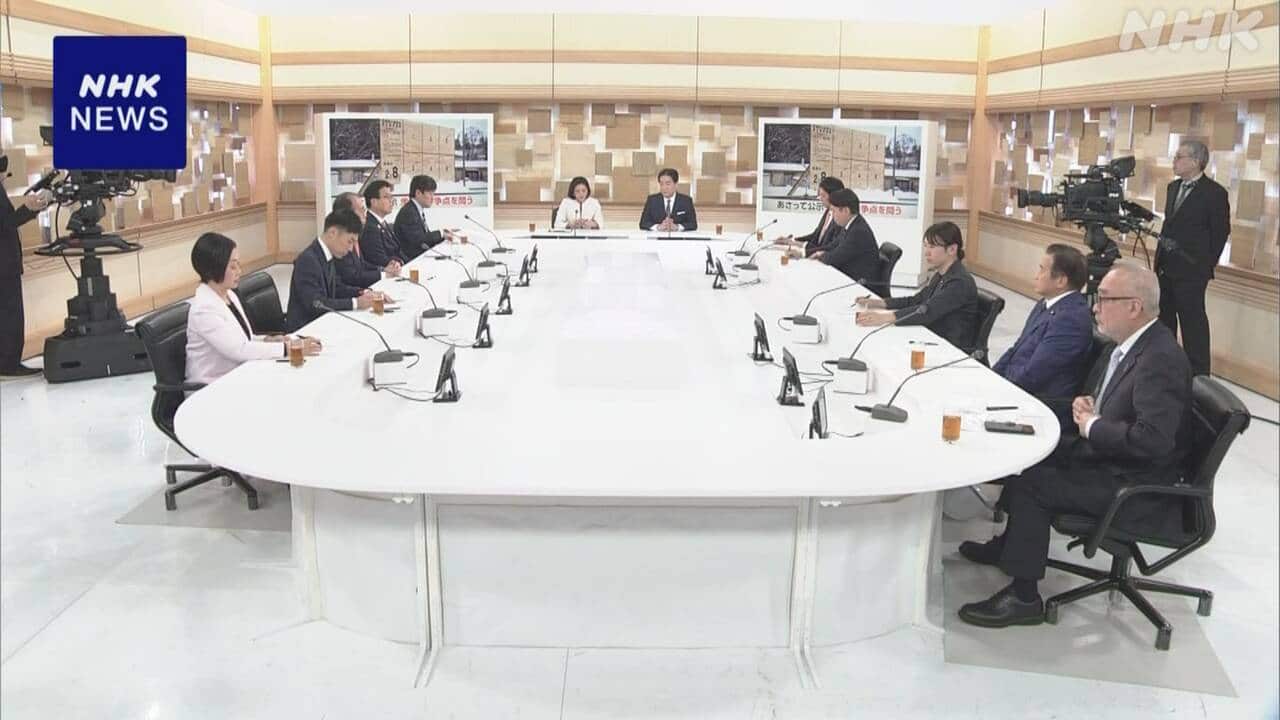
With the official announcement of the House of Representatives election just two days away from the broadcast date, political parties are in full gear, trying to win over the public. During the NHK program 日曜討論 (Nichiyou Touron), leaders from both ruling and opposition parties shared their 政策 (seisaku - policies), zeroing in on how to address the growing 負担 (futan - burden) of rising costs. Inflation has hit hard, and for many Japanese households, buying everyday essentials is becoming a challenge. The debate wasn’t just about numbers or abstract plans—it was a raw look at how these policies could bring 安定 (antei - stability) to people’s lives.
From subsidies to tax reforms, each party presented different solutions to combat 物価高 (bukka-daka). What’s clear is that this isn’t just a political talking point; it’s a national concern echoing in homes across Japan. If you’ve ever wondered how Japanese media reflects real-life struggles, this 討論 (touron - debate) offers a perfect window into the country’s current mood.
Cultural Context: Why Rising Prices Hit Hard
To truly grasp why 物価高 (bukka-daka) is such a big deal, you need to understand Japan’s economic history. For decades, Japan faced deflation—a situation where prices kept dropping, which sounds great until you realize it often meant stagnant wages and a sluggish economy. So, the current spike in prices feels like a shock to many. The term 物価高 (bukka-daka), made up of 物価 (bukka - prices of goods) and 高 (daka - high), isn’t just a technical word; it carries frustration and worry, whether you hear it on the news or in a casual chat at the store.
Programs like 日曜討論 (Nichiyou Touron) are also a cultural cornerstone. Aired on NHK, Japan’s public broadcaster, this show is where serious issues get unpacked for everyone to understand. It’s not just a debate—it’s a space for civic engagement, reflecting how Japanese society values accountability and dialogue. For language learners, tuning into such content (or reading summaries like this) is a goldmine. You’ll encounter formal speech, nuanced expressions, and the kind of Japanese that’s used in real, high-stakes conversations.
Learn Japanese from This Article
Let’s turn this news story into a learning opportunity. Below, you’ll find key vocabulary, grammar patterns, and useful expressions pulled straight from the context of this election debate. These are words and structures you’ll hear in Japanese media and everyday discussions about serious topics like 選挙 (senkyo - election).
Key Vocabulary
| Japanese | Romaji | Meaning |
|---|---|---|
| 物価高 | bukka-daka | rising prices, inflation |
| 選挙 | senkyo | election |
| 政策 | seisaku | policy |
| 討論 | touron | debate, discussion |
| 負担 | futan | burden, load |
| 安定 | antei | stability |
Grammar Spotlight: 〜について and 〜なければならない
〜について (ni tsuite
- about, regarding) This pattern is used to specify the topic of discussion or concern. It’s incredibly common in formal settings like debates or news reports.
- Structure: [Topic] + について
- Examples:
- 物価高について話す。 (Bukka-daka ni tsuite hanasu.
- Talk about rising prices.)
- 政策について討論する。 (Seisaku ni tsuite touron suru.
- Debate about policies.)
- When to use: Use this to introduce a subject you’re discussing or asking about. It’s a polite and precise way to frame a topic, often heard in media or academic contexts.
〜なければならない (nakereba naranai
- must, have to) This structure expresses obligation or necessity, often used when discussing responsibilities or urgent actions (like policies to address inflation).
- Structure: [Verb in negative stem form] + なければならない
- Examples:
- 物価高を解決しなければならない。 (Bukka-daka o kaiketsu shinakereba naranai.
- We must solve the issue of rising prices.)
- 負担を減らさなければならない。 (Futan o herasanakereba naranai.
- We have to reduce the burden.)
- 安定をもたらさなければならない。 (Antei o motarasanakereba naranai.
- We must bring stability.)
- When to use: This is a formal way to express duty or necessity, often seen in discussions about societal or governmental responsibilities.
Useful Expression
Here’s a phrase you might hear in debates or formal discussions:
- 〜について考えなければならない。 (ni tsuite kangaenakereba naranai.
- We must think about ~.)
This combines both grammar points above and is a natural way to express the need to consider a serious issue, like 物価高について考えなければならない。 (Bukka-daka ni tsuite kangaenakereba naranai.
- We must think about rising prices.)
- We must think about ~.)
This combines both grammar points above and is a natural way to express the need to consider a serious issue, like 物価高について考えなければならない。 (Bukka-daka ni tsuite kangaenakereba naranai.
Continue Learning
Want to dive deeper into the building blocks of Japanese used in this article? Here are some lessons from "Japanese from Japan" to help you master the language:
- To understand more about は, explore our Wa vs. Ga: Emphasizing Importance in Sentences lesson.
- Want to understand the verb forms used here? Check out Verb Basics: Harnessing the Dictionary Form.
- Ready to dive deeper? Our lesson on Reading and Writing in Japanese II: Hiragana and Katakana will help you master these concepts.
Thanks for joining us on this journey through Japanese news and language. Keep exploring real-world content like this—it’s how you’ll learn Japanese the way it’s truly spoken in Japan. これからもよろしくお願いします。 Kore kara mo yoroshiku onegaishimasu.