
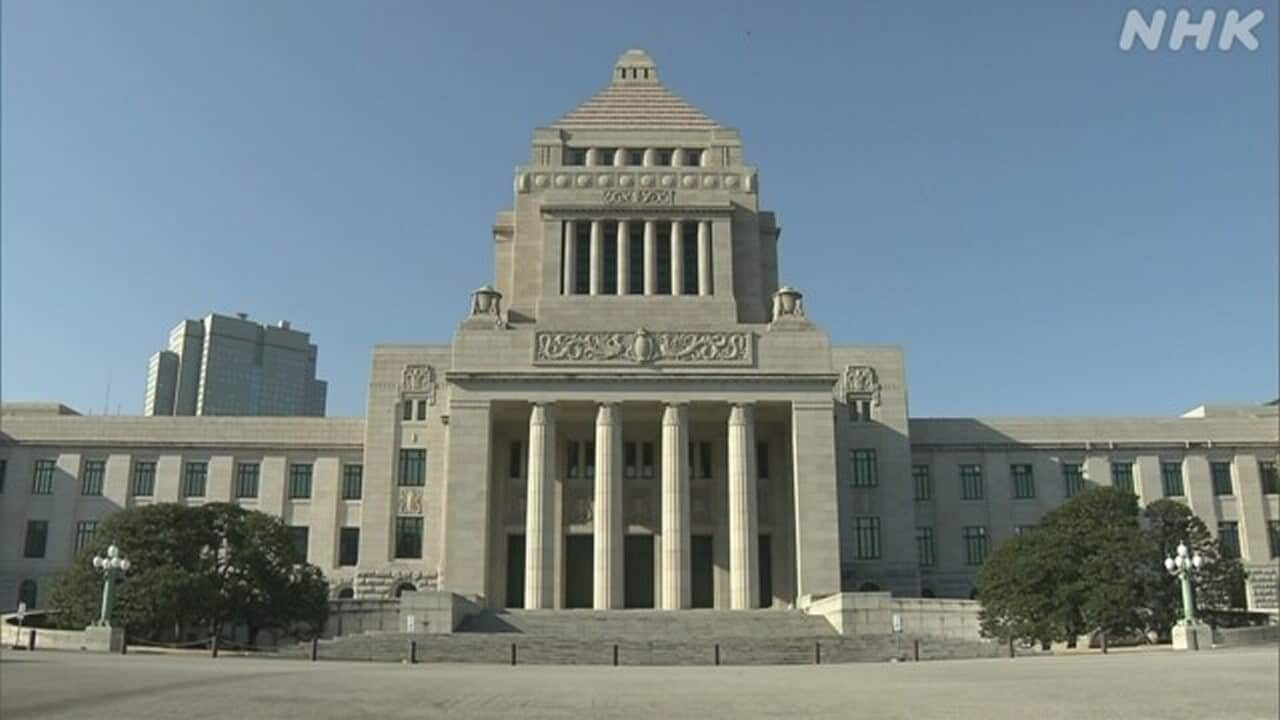
Japan’s House of Representatives Dissolves: Election Campaign Begins
If you’ve ever been curious about how democracy unfolds in Japan, today’s news offers a front-row seat to a pivotal moment. As of January 23, 2026, Japan’s 衆議院 (Shūgiin), the House of Representatives, is set to be dissolved, kicking off an intense election season. Reported by NHK, this marks the unofficial start of a high-stakes campaign, with political parties already mobilizing for a general election. Let’s dive into what this means, why it matters, and how you can learn authentic Japanese from this real-world event.
A Political Reset: Dissolution and Election Timeline
The dissolution of the 衆議院 (Shūgiin), Japan’s lower house of parliament, is no small affair. This formal process, happening today, effectively clears the slate, requiring all members to campaign for re-election. According to NHK, the official 発表 (happyō), or announcement, of the election is scheduled for January 27, with voting and ballot counting set for February 8. That’s a tight window, and it explains why parties are already in what’s called a “de facto election campaign.”
For Japanese citizens, this period is a whirlwind of activity. Candidates, or 候補者 (kōhosha), are hitting the streets, delivering speeches and making promises to win public trust. The 衆議院 (Shūgiin) wields significant power in Japan’s parliamentary system, from passing laws to influencing who becomes prime minister. So, when we talk about 選挙 (senkyo), or elections, we’re talking about the heartbeat of Japanese 政治 (seiji), politics. Watching this unfold gives you a glimpse into the raw energy of 民主主義 (minshushugi), democracy, in action.
Cultural Context: The Weight of Dissolution
To truly appreciate this news, let’s unpack the cultural significance behind the term 解散 (kaisan), meaning dissolution. In Japan, this isn’t just a bureaucratic step; it reflects a deeper value of renewal and accountability. Historically, the timing of a dissolution often carries strategic intent, whether to capitalize on public support or to address a national crisis. It’s a moment of resetting trust between the government and the people.
Elections in Japan also come with unique customs. Unlike in some countries where campaigns are dominated by TV ads, Japanese rules are strict. You’ll often see candidates engaging in 街頭演説 (gaitō enzetsu), or street speeches, standing on corners with megaphones to connect directly with voters. This hands-on approach mirrors a cultural emphasis on sincerity and personal connection, showing how Japanese values of respect and community shape even the world of 政治 (seiji). As a learner, tuning into this election season offers a window into how language and culture intertwine in real life.
Learn Japanese from This Article
What better way to deepen your Japanese skills than by learning from current events? Here, we’ve pulled out key vocabulary and grammar patterns from this political moment to help you speak and understand Japanese the way it’s used in Japan.
Key Vocabulary
| Japanese | Romaji | Meaning |
|---|---|---|
| 衆議院 | Shūgiin | House of Representatives (lower house of parliament) |
| 解散 | kaisan | dissolution, disbandment |
| 選挙 | senkyo | election |
| 政治 | seiji | politics |
| 発表 | happyō | announcement, presentation |
| 候補者 | kōhosha | candidate |
| 民主主義 | minshushugi | democracy |
Grammar Spotlight
Let’s focus on two useful grammar patterns that pop up in news like this. These will help you discuss plans, intentions, and purposes—key concepts in formal and everyday Japanese.
1. 〜が予定されている (~ga yotei sarete iru): is scheduled to ~
This pattern is used to indicate something is planned or scheduled to happen, often in formal contexts like news reports.
- Structure: [Event/Action] + が予定されている
- Example 1: 選挙が予定されています。 (Senkyo ga yotei sarete imasu.) - The election is scheduled.
- Example 2: 発表が来週に予定されています。 (Happyō ga raishū ni yotei sarete imasu.) - The announcement is scheduled for next week.
- When to use: Perfect for discussing fixed plans or events, especially in formal or written Japanese. You’ll hear this often in news about dates and timelines.
2. 〜ために (~tame ni): in order to, for the sake of
This pattern expresses purpose or reason, showing why something is done.
- Structure: [Goal/Purpose] + ために + [Action]
- Example 1: 選挙のために候補者が頑張っています。 (Senkyo no tame ni kōhosha ga ganbatte imasu.) - The candidates are working hard for the sake of the election.
- Example 2: 国民のために政治家が働きます。 (Kokumin no tame ni seijika ga hatarakimasu.) - Politicians work for the sake of the people.
- When to use: Use this to explain motivations or goals. It’s versatile and works in both formal and casual speech.
Useful Expression
Here’s a phrase you might hear during election season: 投票してください。 (Tōhyō shite kudasai.) - Please vote. It’s a polite request often used by candidates to encourage participation in the 選挙 (senkyo).
Continue Learning
Want to build on what you’ve learned here? Check out these lessons from "Japanese from Japan" to dive deeper into related topics:
- Time and Dates: Tense-Free Expressions: To understand more about time, explore our Time and Dates: Tense-Free Expressions lesson.
- Ni, De, and E: Mapping Directions and Locations: Curious about the Japanese used here? Our Ni, De, and E: Mapping Directions and Locations lesson covers this in depth.
- Vocabulary Through Kanji Compounds: Lego-Like Word Building: Working on your reading skills? Our Vocabulary Through Kanji Compounds: Lego-Like Word Building lesson is a great next step.
Closing
I hope this glimpse into Japan’s political landscape has sparked your curiosity—not just about 政治 (seiji), but about the language and culture behind it. Keep practicing with real-world examples like this, and you’ll be amazed at how quickly your Japanese grows. これからもよろしくお願いします。 Kore kara mo yoroshiku onegaishimasu.