
Japan's Winter Grip: Heavy Snowfall and Language Lessons
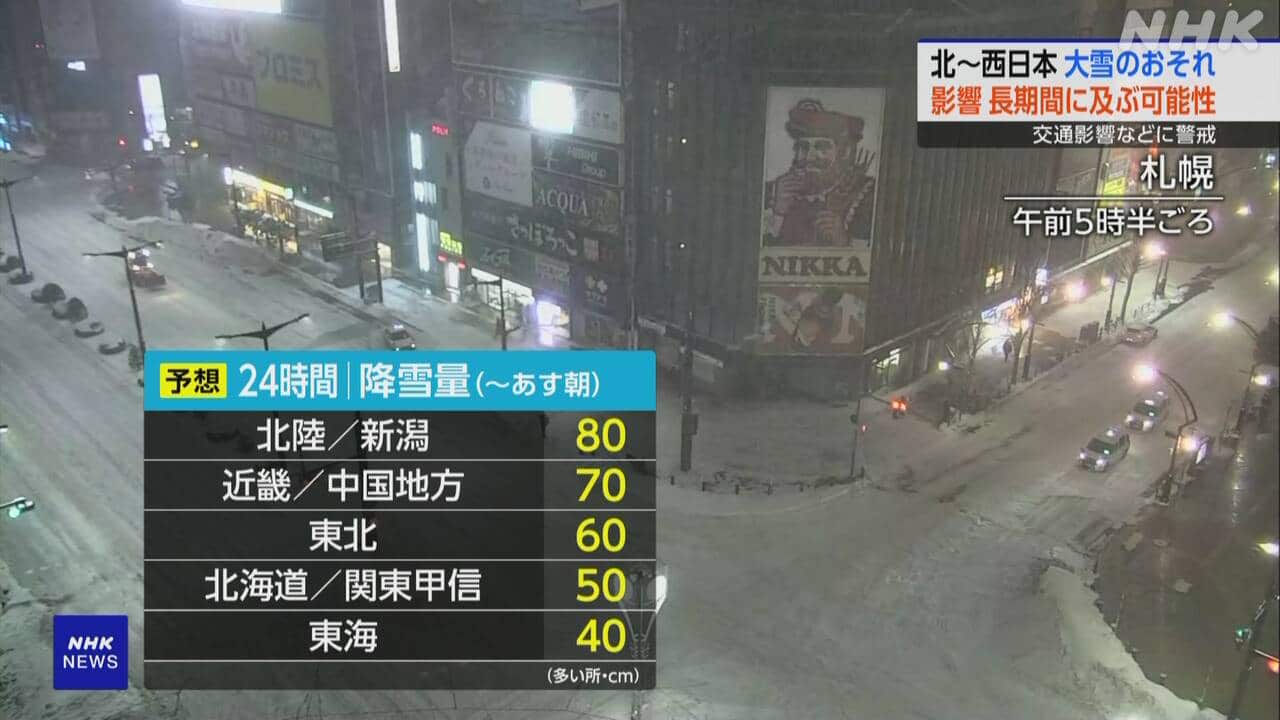
If you've ever wondered how the seasons shape life in Japan, the current winter weather news offers a perfect window into both the language and the lifestyle. As of January 18th, a powerful winter pressure system is sweeping across the country, bringing heavy snowfall and challenges, especially along the Sea of Japan coast. For learners like you, this isn’t just a weather report—it’s a chance to dive into authentic Japanese as it’s used in real-time news and daily conversations. Let’s explore the story, the culture, and the language lessons hidden within.
A Winter Storm Takes Hold
Japan is currently under the influence of a strong 冬型の気圧配置 (fuyugata no kiatsu haichi), or winter-type pressure configuration, which is causing concern for 大雪 (ooyuki), meaning heavy snowfall. This weather pattern, driven by cold Siberian air clashing with warmer currents over the Sea of Japan, often results in significant 積雪 (sekisetsu), or snow accumulation, particularly in regions like Hokuriku and Tohoku. NHK reports warn that some areas could see unusually high snow levels, raising the risk of 交通障害 (koutsuu shougai), or traffic disruptions, alongside power outages and daily life challenges.
Local governments are actively calling on residents to 備える (sonaeru), which means to prepare or get ready, by stocking up on essentials and avoiding unnecessary travel. This kind of urgent messaging isn’t just about safety—it reflects a communal approach to facing nature’s challenges, something deeply rooted in Japanese society. For you as a learner, tuning into these updates offers a direct line to how Japanese people talk about and respond to their environment.
Cultural Context: Winter as a Way of Life
Winter in Japan is far more than just cold weather—it’s a cultural cornerstone, especially on the 日本海側 (Nihonkai-gawa), or Sea of Japan side. In areas like Niigata and Akita, heavy snow isn’t merely a hurdle; it’s woven into the fabric of life. Historically, these communities have adapted to harsh winters with resilience, from innovative snow-clearing methods to festivals that celebrate the season. Events like the 雪まつり (yuki matsuri), or snow festivals, transform the burden of snow into breathtaking art, with massive sculptures that attract visitors nationwide.
When you hear terms like 積雪 (sekisetsu) in news reports, it’s not just a word—it’s a lived reality. These expressions carry the weight of practical concerns and community spirit, showing how language mirrors life. By learning these terms as they’re used in context, you’re not just memorizing vocabulary; you’re stepping into the Japanese mindset.
Learn Japanese from This Article
Let’s break down some key language elements from this winter weather news. These are words and patterns you’ll hear in real Japanese media and conversations, taught the way native speakers learn them—through context and practical use.
Key Vocabulary
| Japanese | Romaji | Meaning |
|---|---|---|
| 冬型 | fuyugata | winter-type (weather pattern) |
| 気圧配置 | kiatsu haichi | pressure configuration |
| 大雪 | ooyuki | heavy snowfall |
| 日本海側 | Nihonkai-gawa | Sea of Japan side |
| 積雪 | sekisetsu | snow accumulation |
| 交通障害 | koutsuu shougai | traffic disruption |
| 備える | sonaeru | to prepare, to be ready |
These words aren’t just for weather reports—they pop up in everyday discussions during winter. Imagine hearing 大雪 (ooyuki) while chatting with a friend about travel plans, or using 備える (sonaeru) to talk about getting ready for a storm. Learning them now equips you for real-world situations.
Grammar Spotlight: 〜の可能性がある and 〜ように呼びかける
Let’s look at two grammar patterns that are incredibly useful for understanding news and formal announcements, both straight from this weather story.
〜の可能性がある (no kanousei ga aru) - "there is a possibility of ~"
- Structure: [Noun] + の + 可能性がある
- Meaning: Used to indicate something might happen, often in predictions or warnings.
- Examples:
- 大雪の可能性があります。 (Ooyuki no kanousei ga arimasu.) - There is a possibility of heavy snowfall.
- 交通障害の可能性があります。 (Koutsuu shougai no kanousei ga arimasu.) - There is a possibility of traffic disruptions.
- Usage: You’ll hear this in weather forecasts or risk assessments. It’s polite and formal, perfect for news contexts.
〜ように呼びかける (you ni yobikakeru) - "to urge/call for someone to do ~"
- Structure: [Verb in dictionary form] + ように + 呼びかける
- Meaning: Used when authorities or groups encourage or urge action.
- Examples:
- 備えるように呼びかけています。 (Sonaeru you ni yobikaketeimasu.) - They are urging people to prepare.
- 外出を控えるように呼びかけています。 (Gaishutsu o hikaeru you ni yobikaketeimasu.) - They are urging people to refrain from going out.
- Usage: Common in public announcements, this pattern reflects a collective call to action, often with a tone of concern or responsibility.
By practicing these patterns, you’re not just learning grammar—you’re learning how Japanese communicates urgency and community care, especially in times like these winter storms.
Useful Expression
Here’s a bonus phrase you might hear or use when discussing weather challenges: 気をつけてください。 (Ki o tsukete kudasai.) - "Please be careful." It’s a simple yet heartfelt way to show concern, whether you’re warning someone about snow or slippery roads.
Continue Learning
Want to dive deeper into the language used in this article? Here are some lessons from "Japanese from Japan" to help you build on what you’ve learned:
- To understand more about vocabulary, explore our Basic Vocabulary Building: Embracing Words Without Latin Ties lesson.
- Curious about the Japanese used here? Our Wa vs. Ga: Emphasizing Importance in Sentences lesson covers this in depth.
- Working on your reading skills? Our Chinese Influence on Japanese: Kanji and Borrowed Vocabulary lesson is a great next step.
Winter weather in Japan is more than a news story—it’s a cultural experience and a language goldmine. Keep practicing these words and patterns, and you’ll find yourself sounding more natural with every conversation. これからもよろしくお願いします。 Kore kara mo yoroshiku onegaishimasu.