
Discover Japanese Culture Through Manga: "The Demon King's Army is a White Company"
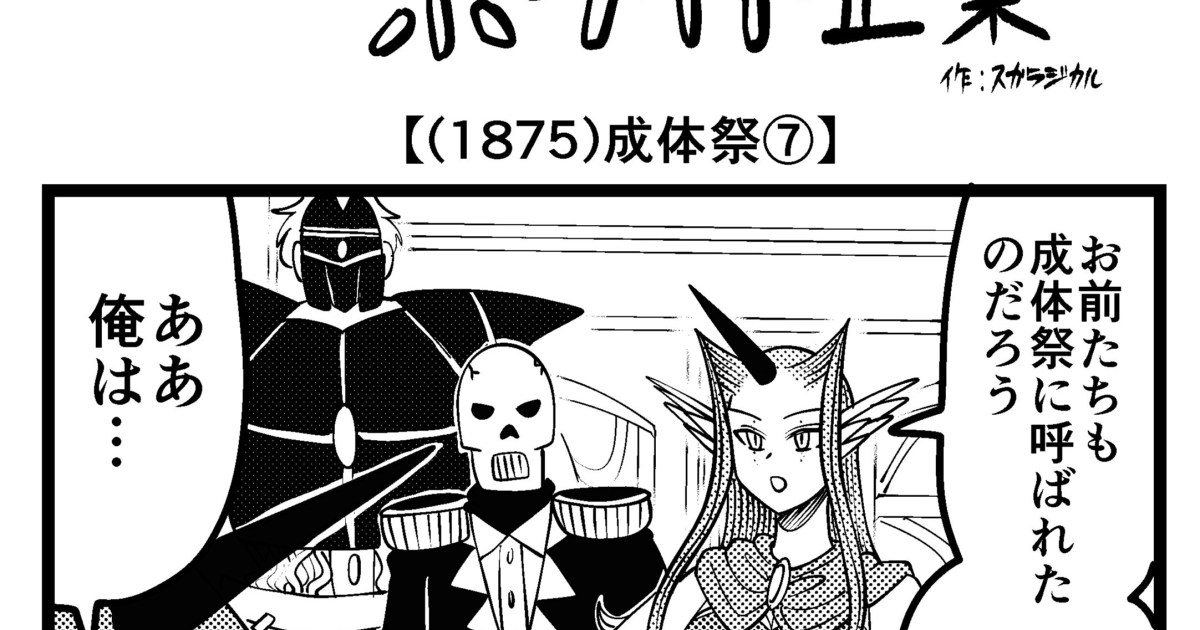
Ever stumbled upon a piece of Japanese pop culture that made you laugh and think at the same time? If you’ve been browsing Japanese webcomics, you might’ve come across a quirky title that stands out: 魔王軍はホワイト企業 (Maou-gun wa Howaito Kigyō), translated as "The Demon King's Army is a White Company." Featured on Rocket News on January 20, 2026, the 1875th episode of this 4-panel manga series, titled 成体祭⑦ (Seitai-sai ⑦) or "Coming-of-Age Festival Part 7," offers a hilarious blend of workplace satire and traditional Japanese milestones. For anyone eager to learn Japanese authentically, this slice of online culture is a goldmine of language and insight into modern Japan.
A Satirical Take on Corporate Life and Tradition
In this latest installment, the story follows the Demon King's Army—a fictional organization that parodies corporate life in the most unexpected way. Far from being a dark, oppressive force, this "army" operates as a ホワイト企業 (howaito kigyō), a term you’ll hear often in Japan to describe an employee-friendly company with ethical practices. The humor comes from the stark contrast between their sinister name and their surprisingly supportive, wholesome environment. Episode 1875, part of the "Coming-of-Age Festival" arc, focuses on the 成体祭 (Seitai-sai), a ceremony symbolizing the transition to adulthood, infused with the manga’s signature absurdity. Crafted by artist Sugara Jikaru, this episode mixes cultural references with sharp 皮肉 (hiniku), or satire, making it a perfect window into Japanese storytelling.
Cultural Context: Coming of Age and Workplace Ideals
If you’re wondering why a "Coming-of-Age Festival" features in a story about a demon army, let’s dive into the real-life inspiration behind it. The 成体祭 (Seitai-sai) in the manga is a playful take on Japan’s 成人の日 (Seijin no Hi), or Coming of Age Day, a national holiday celebrated on the second Monday of January. This day honors young adults turning 20, traditionally the age of adulthood in Japan (though it was legally lowered to 18 in 2022, the cultural celebration often sticks to 20). During this event, many wear stunning 振袖 (furisode), a type of long-sleeved kimono for young women, or formal suits for men, as they attend ceremonies marking their entry into adult responsibilities. By weaving this into a fantasy setting, the manga taps into the cultural significance of such 祭 (matsuri), or festivals, in a way that resonates deeply with Japanese readers.
On the flip side, the idea of a ホワイト企業 (howaito kigyō) reflects a pressing social issue in Japan. With long working hours and high stress often criticized in corporate culture, the term "white company" has become a symbol of hope for better work-life balance. This manga uses it ironically to poke fun at societal expectations, offering a lens into contemporary Japanese values. For learners like you, this isn’t just a funny story—it’s a chance to see how deeply traditions and modern concerns shape narratives in Japan, even in something as lighthearted as a 漫画 (manga).
Learn Japanese from This Article
Ready to pick up some authentic Japanese from this quirky manga? Let’s break down key vocabulary and grammar patterns that’ll help you navigate both the language and culture behind this story.
Key Vocabulary
Here are some essential words from the manga and its cultural backdrop that you’ll encounter often in Japanese media and daily life:
| Japanese | Romaji | Meaning |
|---|---|---|
| ホワイト企業 | howaito kigyō | white company (employee-friendly company) |
| 成人の日 | seijin no hi | Coming of Age Day |
| 振袖 | furisode | long-sleeved kimono (worn by young women) |
| 祭 | matsuri | festival, ceremony |
| 漫画 | manga | comic, cartoon |
| 皮肉 | hiniku | sarcasm, irony, satire |
Grammar Spotlight: Using は (wa) as a Topic Marker
One of the most fundamental particles in Japanese is は (wa), used to mark the topic of a sentence. Unlike English, where we might emphasize the subject with word order, Japanese uses は (wa) to set the stage for what you’re talking about. It’s less about “who does what” and more about “as for this topic, here’s the info.”
Structure: Topic + は (wa) + Comment/Description
Examples:
- 魔王軍はホワイト企業です。 (Maou-gun wa howaito kigyō desu.) "As for the Demon King's Army, it is a white company."
- 成人の日は祭があります。 (Seijin no Hi wa matsuri ga arimasu.) "As for Coming of Age Day, there is a festival."
- 私は漫画が好きです。 (Watashi wa manga ga suki desu.) "As for me, I like manga."
When to Use: Use は (wa) when introducing or shifting focus to a topic. It’s great for casual conversation or when explaining something, like discussing cultural events or personal opinions in Japanese.
Grammar Spotlight: Using に関する (ni kansuru) for "Related to"
Another useful expression is に関する (ni kansuru), which means "related to" or "concerning." It’s often used in formal or written contexts to connect a topic to a broader theme or discussion, perfect for diving deeper into cultural topics like those in this manga.
Structure: Noun + に関する (ni kansuru) + Noun/Explanation
Examples:
- 成人の日に関する情報です。 (Seijin no Hi ni kansuru jōhō desu.) "This is information related to Coming of Age Day."
- ホワイト企業に関する話が面白いです。 (Howaito kigyō ni kansuru hanashi ga omoshiroi desu.) "Stories related to white companies are interesting."
When to Use: This pattern is handy when discussing topics in depth, such as cultural practices or societal trends. You’ll often see it in articles, news, or academic contexts.
Continue Learning
Want to dive deeper into the Japanese language and culture behind this manga? Check out these lessons to build on what you’ve learned today:
- Wa vs. Ga: Emphasizing Importance in Sentences: Curious about the Japanese used here? Our Wa vs. Ga: Emphasizing Importance in Sentences lesson covers this in depth.
- Introduction to Kanji: Pictorial Foundations of Japanese Script: Working on your reading skills? Our Introduction to Kanji: Pictorial Foundations of Japanese Script lesson is a great next step.
- Greetings and Self-Introductions: Authentic Entry Phrases: To understand more about culture, explore our Greetings and Self-Introductions: Authentic Entry Phrases lesson.
これからもよろしくお願いします。 Kore kara mo yoroshiku onegaishimasu.