
Budget Luxury in Hakata: Hotel Ichiraku’s Unbeatable 5,610 Yen Stay
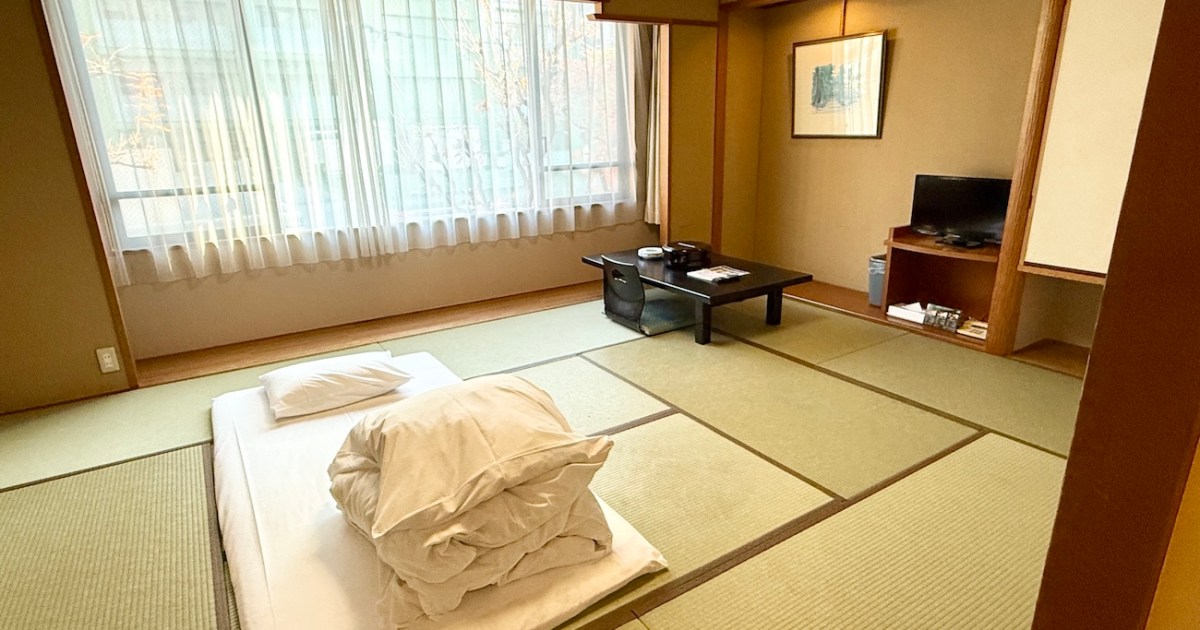
Imagine booking a hotel room in the heart of 博多 (Hakata), Fukuoka, for just 5,610 yen a night—expecting a tiny, no-frills space—and instead walking into a room so massive it could fit a family of four. If you’ve ever dreamed of experiencing Japanese hospitality on a budget, ホテル一楽 (Hotel Ichiraku) is the hidden gem you didn’t know you needed. This isn’t just a cheap stay; it’s a window into the practical, thoughtful side of Japanese travel culture, blending affordability with surprises that’ll make you rethink what “budget” means. Let’s dive into why this hotel is making waves and how it can help you learn authentic Japanese along the way.
Discovering Hotel Ichiraku: A Spacious Surprise
Nestled in Fukuoka’s Chuo Ward, ホテル一楽 (Hotel Ichiraku) is just a 20-minute walk from Hakata Station—a perfect spot to explore the city. Not keen on walking? Buses run from Hakata and Tenjin, and there’s even a bike-sharing service called チャリチャリ (Charichari) with a rental port right outside the hotel. One traveler took the scenic route on foot, passing by the historic 住吉神社 (Sumiyoshi Jinja), one of Japan’s oldest shrines, turning a simple walk into a cultural mini-tour. Checking in was a breeze, and despite opting for the cheapest “room-at-random” plan via Rakuten Travel, the surprise was unreal: a room so vast it felt like a suite for a celebrity or a big family.
But the space wasn’t the only highlight. After a long day, soaking in the hotel’s 大浴場 (daiyokujou), or large public bath, was pure bliss. With a view of a Japanese-style garden, a spacious bathing area, and even a dry sauna in the men’s section, it felt like 贅沢 (zeitaku), or luxury, at a steal. At 7 p.m., the bathhouse was nearly empty—practically a 貸切 (kashikiri), or private use, experience. Add to that nearby conveniences like a Seven-Eleven just behind the hotel and a FamilyMart within reach, plus access to Fukuoka’s famous food scene (think 肉肉うどん (Niku Niku Udon) near Yakuin Station), and you’ve got a base with amazing コスパ (kosupa), or cost-performance value.
A Glimpse of Local Life in Fukuoka
Staying at ホテル一楽 (Hotel Ichiraku) isn’t just about the hotel—it’s about immersing yourself in Fukuoka’s daily rhythm. The 立地 (ricchi), or location, near Hakata Station makes it a breeze to explore, while its closeness to Fukuoka Airport (just a 5-minute subway ride from the station) is perfect for early flights or quick trips. One guest shared how refreshing it felt to take a 朝風呂 (asa-buro), or morning bath, and then walk to the station 散歩しながら (sanpo shinagara), or while strolling, soaking in the city’s morning vibe. Whether you’re playing retro Famicom games in a traditional-style room or grabbing a quick udon nearby, these small moments turn a 素泊まり (sudomari), or overnight stay without meals, into a memorable slice of Japanese life.
Cultural Context: Hospitality and Bathhouse Etiquette
If the idea of a 大浴場 (daiyokujou), or communal bath, feels unfamiliar, you’re not alone—but it’s a cornerstone of Japanese culture. Found in traditional 旅館 (ryokan) and even budget hotels like this one, these baths aren’t just for cleaning; they’re for unwinding. There’s etiquette to follow, like washing thoroughly before entering the shared tub, reflecting a deep respect for others. Similarly, the unexpectedly spacious rooms at ホテル一楽 (Hotel Ichiraku) embody おもてなし (omotenashi), the Japanese spirit of selfless hospitality, where even budget stays aim to surprise and delight. Understanding these cultural layers shows why a low-cost hotel isn’t just a place to sleep—it’s a chance to experience Japan’s thoughtful approach to comfort.
Learn Japanese from This Article
Let’s turn this travel story into a learning opportunity! Here, you’ll find key vocabulary, grammar patterns, and expressions straight from the experience at ホテル一楽 (Hotel Ichiraku). These are words and structures you’d hear in real Japanese conversations, taught the way native speakers learn them.
Essential Vocabulary
| Japanese | Romaji | Meaning |
|---|---|---|
| 大浴場 | daiyokujou | large public bath |
| コスパ | kosupa | cost-performance (value for money) |
| 素泊まり | sudomari | staying overnight without meals |
| 立地 | ricchi | location, site |
| 貸切 | kashikiri | reserved, private use |
| 贅沢 | zeitaku | luxury, extravagance |
Grammar Spotlight
〜すぎる (-sugiru): Too Much, Excessively
This pattern is used to describe something as “too much” or “excessive.” Attach すぎる (sugiru) to the stem of a verb or adjective (drop the final い for i-adjectives) to express excess.
- 部屋が広すぎる。 (Heya ga hiro-sugiru.) - The room is too spacious.
- 安すぎてびっくりした。 (Yasu-sugite bikkuri shita.) - It was so cheap I was shocked.
- 贅沢すぎるサービスだ。 (Zeitaku-sugiru saabisu da.) - The service is excessively luxurious.
Use this when something exceeds your expectations or feels over the top—perfect for describing surprises like the room at ホテル一楽 (Hotel Ichiraku).
〜ながら (-nagara): While Doing Something, At the Same Time
This pattern lets you describe two actions happening simultaneously. Attach ながら (nagara) to the stem of the first verb (the secondary action), and follow it with the main action.
- 散歩しながら景色を楽しんだ。 (Sanpo shinagara keshiki o tanoshinda.) - I enjoyed the scenery while walking.
- 朝風呂に入りながらリラックスした。 (Asa-buro ni hairi nagara rirakkusu shita.) - I relaxed while taking a morning bath.
- 音楽を聴きながら駅まで歩いた。 (Ongaku o kiki nagara eki made aruita.) - I walked to the station while listening to music.
This is handy for describing multitasking or setting the scene, like soaking in Fukuoka’s vibe while heading to Hakata Station.
Useful Expression
- 最高だった! (Saikou datta!) - It was the best! Use this casual phrase to express excitement or satisfaction, just like you might after staying at a place with incredible コスパ (kosupa).
Continue Learning
Want to dive deeper into the Japanese language used in this article? Check out these lessons from “Japanese from Japan” to build your skills authentically:
- Ni, De, and E: Mapping Directions and Locations: Want to learn more about に? Check out our lesson on Ni, De, and E: Mapping Directions and Locations.
- Basic Vocabulary Building: Embracing Words Without Latin Ties: Curious about the Japanese used here? Our Basic Vocabulary Building: Embracing Words Without Latin Ties lesson covers this in depth.
- Wa vs. Ga: Emphasizing Importance in Sentences: Want to learn more about は? Check out our lesson on Wa vs. Ga: Emphasizing Importance in Sentences.
これからもよろしくお願いします。 Kore kara mo yoroshiku onegaishimasu.