
Can a Nintendo Switch Become a PC? A Wild Japanese Experiment
Imagine holding your Nintendo Switch (Nintendo Switch) and wondering if this sleek, portable gaming device could double as a full-fledged computer. If you’ve ever daydreamed about pushing the limits of your gadgets, you’re not alone. A Japanese tech enthusiast from Rocket News took this curiosity to the next level with a daring experiment that’s equal parts innovative and quirky. For Japanese learners like you, this story isn’t just about tech—it’s a peek into the playful, boundary-pushing spirit of Japan’s online communities and a chance to learn authentic language straight from the source.
A Crazy Idea: Nintendo Switch as a Personal Computer
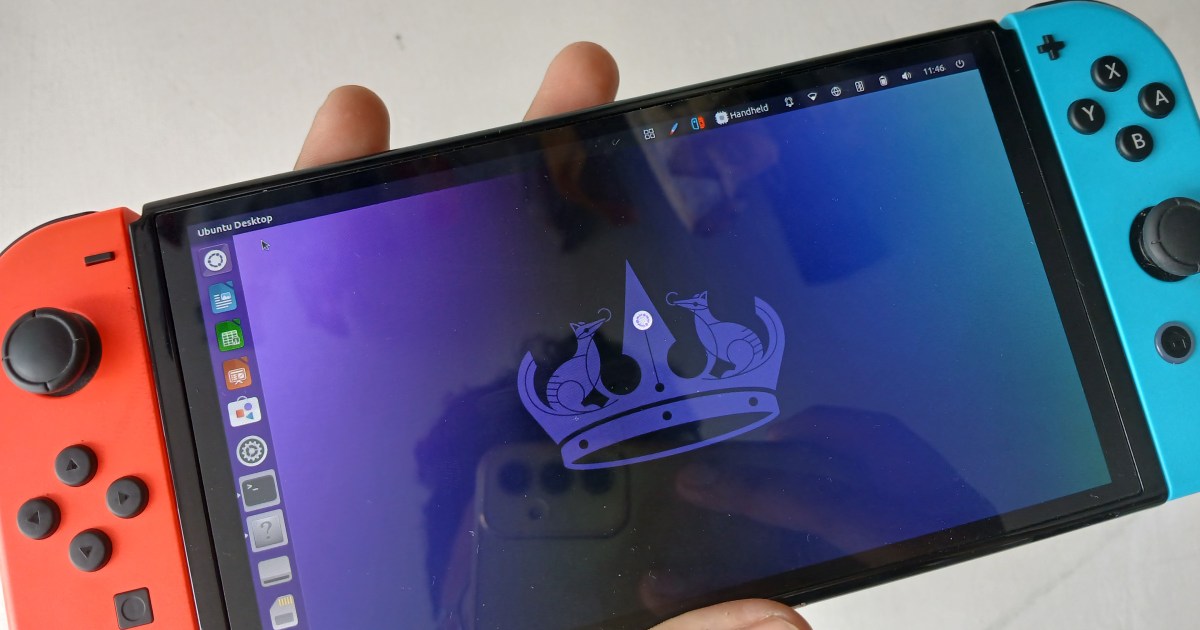
On January 18, 2026, Rocket News dropped a fascinating article about transforming a Nintendo Switch (Nintendo Switch), specifically the OLED model, into a makeshift PC. The writer, with a humorous, self-deprecating tone, admits this project is a bit 変態 (hentai)—not in the way you might think, but meaning “eccentric” or “weird” in this context. They installed a custom version of Ubuntu (Ubuntu), an open-source operating system tweaked by enthusiasts as L4T Ubuntu to work on the Switch’s hardware. The mission? To test whether a gaming console could handle everyday desktop tasks.
The results were a rollercoaster. After some serious tinkering (and a lot of fan noise from overclocking), the Switch booted up a desktop interface. The iconic ジョイコン (Joy-Con) controllers doubled as cursor controls, and with the dock’s USB ports, a mouse and keyboard worked seamlessly. Basic programs like LibreOffice for writing and spreadsheets ran smoothly, and browsing on Firefox was decent—90% of the article was even typed on the Switch itself! They even managed light image editing with Gimp and 3D modeling with Blender, though not without glitches. But heavier tasks like video editing on Kdenlive led to crashes, and gaming via platforms like Steam was a no-go due to compatibility issues with the Switch’s ARM-based CPU.
In the end, the experiment was more about 浪漫 (roman)—a Japanese term for romanticism or idealism—than practicality. The writer warns that while the “dream” of a Switch-PC is charming, the reality is tough. Plus, attempting this voids warranties and risks bricking your device, so it’s strictly 自己責任 (jiko sekinin)—at your own risk. It’s a fun story, but not a recommendation!
Cultural Context: Japan’s Obsession with Gadgets and DIY
This wild experiment isn’t just a one-off—it’s a reflection of Japan’s deep love for technology and creative tinkering. Portable devices like the Nintendo Switch (Nintendo Switch), Steam Deck (Steam Deck), or Asus ROG Ally (Asus ROG Ally) aren’t just tools; they’re cultural symbols of Japan’s talent for blending innovation with style and portability. The word ガジェット (gajetto), borrowed from English, is often tossed around with excitement to describe these tech toys, capturing a sense of novelty and wonder.
Beyond that, this project showcases a vibrant Japanese online subculture of DIY tech enthusiasts who share hacks and mods on blogs and forums. Rocket News, known for its playful and sometimes absurd content, often uses casual, slang-filled language to connect with younger readers. Their tone—packed with self-aware humor and a dash of recklessness—mirrors how many Japanese netizens approach these experiments: not as serious work, but as entertaining challenges. For learners like you, diving into content like this opens a window into authentic Japanese humor, curiosity, and digital life, far beyond textbook phrases.
Learn Japanese from This Article
Let’s turn this fun story into a learning opportunity! Here, you’ll find key vocabulary, grammar patterns, and expressions pulled straight from the context of tech, innovation, and everyday Japanese conversation. These are words and structures you’d hear in Japan, used the way native speakers do.
Essential Vocabulary
| Japanese | Romaji | Meaning |
|---|---|---|
| 携帯型 | keitai-gata | portable, handheld |
| 流行る | hayaru | to be popular, to be in fashion |
| コスパ | kosupa | cost-performance (cost-effectiveness) |
| 浪漫 | roman | romance, romanticism (often wonder or nostalgia) |
| 変態 | hentai | pervert, eccentric/weird (context-dependent) |
| 自己責任 | jiko sekinin | personal responsibility, at one’s own risk |
| スペック | supekku | specifications (tech specs) |
These words pop up often in tech discussions or casual chats in Japan. For example, you might hear someone rave about a gadget’s コスパ (kosupa) when it’s a great value, or warn about trying hacks at your 自己責任 (jiko sekinin).
Grammar Spotlight: 〜たり〜たりする (Listing Actions)
One useful pattern from casual Japanese storytelling is 〜たり〜たりする, used to list actions or examples in a non-exhaustive way, like saying “doing things like… and…”. It’s perfect for describing varied activities, much like the Rocket News writer’s experiments.
- Structure: Verb (た-form) + り + Verb (た-form) + り + する
- Examples:
- ゲームをしたり、動画を見たりします。 (Geemu o shitari, douga o mitari shimasu.) - I do things like play games and watch videos.
- Switchで文章を書いたり、ブラウザを使ったりしました。 (Switch de bunshou o kaitari, burauza o tsukattari shimashita.) - I did things like write text and use a browser on the Switch.
- 買い物をしたり、友達と話したりするのが好きです。 (Kaimono o shitari, tomodachi to hanashitari suru no ga suki desu.) - I like doing things like shopping and talking with friends.
Use this when you want to casually list activities without sounding too formal or rigid. It’s a natural way to describe a day or, in this case, a tech experiment with multiple steps!
Grammar Spotlight: 〜ちゃう (Casual Completion or Regret)
Another gem from conversational Japanese is 〜ちゃう, a casual contraction of 〜てしまう. It can indicate completing something (often unintentionally) or express regret over an action, fitting the tone of playful warnings in the article.
- Structure: Verb (て-form) + ちゃう
- Examples:
- Switchを壊しちゃうかもしれません。 (Switch o kowashichau kamoshiremasen.) - You might end up breaking the Switch.
- 保証がなくなっちゃうよ。 (Hoshou ga nakunacchau yo.) - The warranty will disappear (and that’s a shame).
- やりすぎちゃった。 (Yarisugichatta.) - I overdid it (with a sense of regret).
This pattern adds a casual, emotional nuance to your speech. It’s great for warning someone about risks (like bricking a console) or reflecting on a mistake with a lighthearted tone.
Continue Learning
Want to dive deeper into Japanese grammar and expressions? Check out these lessons to build on what you’ve learned today:
- Time and Dates: Tense-Free Expressions: Curious about the Japanese used here? Our Time and Dates: Tense-Free Expressions lesson covers this in depth.
- Ni, De, and E: Mapping Directions and Locations: To understand more about に, explore our Ni, De, and E: Mapping Directions and Locations lesson.
- Wa vs. Ga: Emphasizing Importance in Sentences: Curious about the Japanese used here? Our Wa vs. Ga: Emphasizing Importance in Sentences lesson covers this in depth.
Closing Thoughts
Whether you’re a tech geek or just fascinated by Japan’s creative spirit, this Nintendo Switch experiment is a reminder of how curiosity drives innovation—and sometimes hilarious misadventures. As you learn Japanese, stories like these show you the language in action, wrapped in real cultural quirks. Keep exploring, keep tinkering with new words and patterns, and you’ll find yourself speaking Japanese as naturally as a native. これからもよろしくお願いします。 (Kore kara mo yoroshiku onegaishimasu.)