
Remembering the Hanshin-Awaji Earthquake: 31 Years of Resilience and Reflection
If you've ever wondered how history shapes a nation's heart, there's no better example than Japan’s annual remembrance of the 阪神・淡路大震災 (Hanshin-Awaji Daishinsai), the Great Hanshin-Awaji Earthquake. On January 17, 2026, at precisely 5:46 AM, people across Japan paused for a moment of 黙とう (mokutou)—a silent prayer—to honor the lives lost 31 years ago. For us as learners of Japanese, this event is more than a historical marker; it’s a window into the language, culture, and unyielding spirit of the Japanese people. Let’s explore this solemn anniversary and uncover the lessons it holds for both life and language.
The 31st Anniversary: A Moment of Silence and Strength
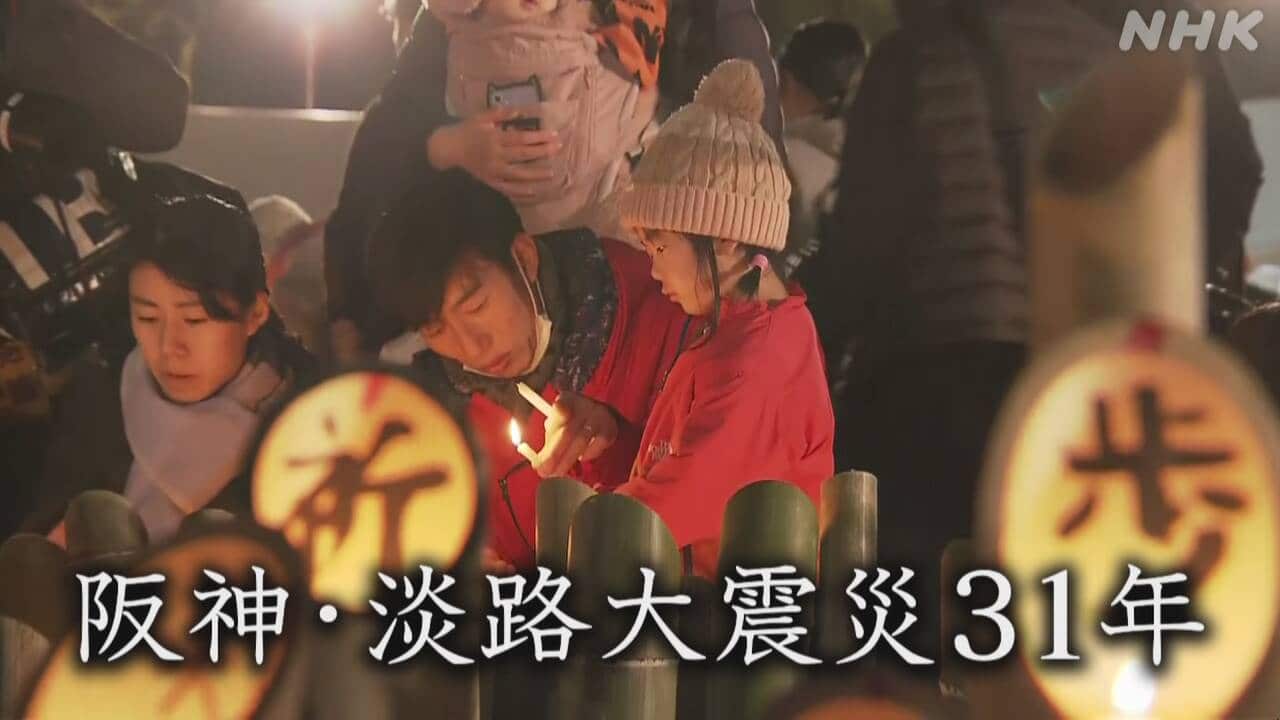
Thirty-one years ago, on January 17, 1995, a catastrophic earthquake struck the Kansai region, devastating Kobe and surrounding areas in Hyogo Prefecture. Over 6,400 lives were lost, tens of thousands were injured, and entire communities were left in ruins. Each year, at the exact time of the quake—5:46 AM—people gather to remember through 黙とう (mokutou), reflecting on the tragedy and the resilience that followed. This year, as reported by NHK, ceremonies across the region not only honored the past but also highlighted the ongoing challenge of passing down vital lessons to younger generations.
This anniversary isn’t just about looking back; it’s a reminder of the ever-present threat of 災害 (saigai), or disasters, in Japan. The focus remains on ensuring that the 教訓 (kyoukun)—the hard-earned lessons—of preparedness and recovery are inherited (継承, keishou) by those who didn’t experience the quake firsthand. For learners like you, diving into events like this through Japanese language and media reveals the deep societal values of perseverance and communal strength that define everyday life in Japan.
Cultural Context: Silence as Respect
One of the most striking aspects of this remembrance is the practice of 黙とう (mokutou), a moment of silent prayer. Unlike verbal expressions of mourning you might be familiar with, this custom emphasizes quiet reflection, embodying Japanese values of restraint and collective empathy. You’ll encounter this ritual in various settings—school ceremonies, public memorials, or even national moments of 追悼 (tsuitou), meaning mourning or memorial. It’s a powerful example of how silence can communicate just as much as words in Japanese culture.
The 阪神・淡路大震災 (Hanshin-Awaji Daishinsai) itself marked a turning point for Japan. Often referred to simply as 震災 (shinsai), or earthquake disaster, it exposed critical weaknesses in infrastructure and emergency response. The aftermath spurred major reforms in building codes and disaster preparedness, reflecting Japan’s cultural emphasis on communal responsibility and proactive prevention. If you’ve studied events like Hurricane Katrina in the U.S., you might see parallels, but Japan’s response is uniquely tied to a collective drive to honor the past by safeguarding the future. Learning about this through Japanese offers a deeper understanding of how history and culture intertwine.
Learn Japanese from This Article
Let’s take a closer look at some key language elements from this event. By learning these words and patterns, you’ll not only expand your vocabulary but also connect more deeply with the cultural context of Japan’s history and values.
Key Vocabulary
| Japanese | Romaji | Meaning |
|---|---|---|
| 黙とう | mokutou | silent prayer, moment of silence |
| 震災 | shinsai | earthquake disaster |
| 教訓 | kyoukun | lesson, moral |
| 継承 | keishou | inheritance, succession |
| 災害 | saigai | disaster, calamity |
| 追悼 | tsuitou | mourning, memorial |
Grammar Spotlight
Here are two useful grammar patterns that tie directly to the context of this anniversary. These will help you discuss historical events and ongoing challenges in Japanese, just as native speakers do.
〜から〜年: "X years since ~"
This pattern is used to express the number of years that have passed since a specific event. It’s a natural way to talk about anniversaries or historical milestones like the Hanshin-Awaji Earthquake.
- Structure: [Event] から [Number] 年 (nen)
- Example 1: 阪神・淡路大震災から31年経ちました。 (Hanshin-Awaji Daishinsai kara sanjuu-ichi nen tachimashita.) - "31 years have passed since the Hanshin-Awaji Earthquake."
- Example 2: 日本に来てから5年です。 (Nihon ni kite kara go nen desu.) - "It’s been 5 years since I came to Japan."
- When to use: Use this to mark time elapsed since a significant event, often in formal or reflective contexts like news or ceremonies.
〜が課題に: "becoming an issue/challenge"
This pattern highlights something that has become a problem or challenge, often in societal or public discussions. It’s common in news reports or conversations about ongoing issues.
- Structure: [Topic] が課題に (なる) (ga kadai ni (naru))
- Example 1: 教訓を継承することが課題になっています。 (Kyoukun o keishou suru koto ga kadai ni natte imasu.) - "Passing down lessons has become a challenge."
- Example 2: 災害対策が課題になっています。 (Saigai taisaku ga kadai ni natte imasu.) - "Disaster preparedness has become an issue."
- When to use: Use this to discuss unresolved or emerging challenges, especially in formal or analytical contexts.
Useful Expression
A phrase you’ll often hear during memorials or moments of 追悼 (tsuitou) is ご冥福をお祈りします (go-meifuku o oinori shimasu), which means "I pray for your peace in the afterlife." It’s a respectful way to express condolences and is often used in written messages or formal speeches during such occasions.
Continue Learning
Want to dive deeper into the Japanese language used in contexts like this? Check out these lessons from "Japanese from Japan" to build on what you’ve learned today:
- Time and Dates: Tense-Free Expressions: Curious about the Japanese used here? Our Time and Dates: Tense-Free Expressions lesson covers this in depth.
- Ni, De, and E: Mapping Directions and Locations: To understand more about に, explore our Ni, De, and E: Mapping Directions and Locations lesson.
- Verb Basics: Harnessing the Dictionary Form: Want to understand the verb forms used here? Check out Verb Basics: Harnessing the Dictionary Form.
As you continue your journey with Japanese, remember that every word and phrase carries a piece of the culture and history that shapes Japan. Keep exploring, keep reflecting, and let’s learn together.
これからもよろしくお願いします。 Kore kara mo yoroshiku onegaishimasu.